 Art
How to Explore Islamic Art in Cleveland’s Open Collection
A close-looking guide to a Qur’an folio and luster ceramics, using Cleveland’s public collection records.
Understand Shangri La as a collection, architectural setting, and contemporary cultural program before booking a visit.
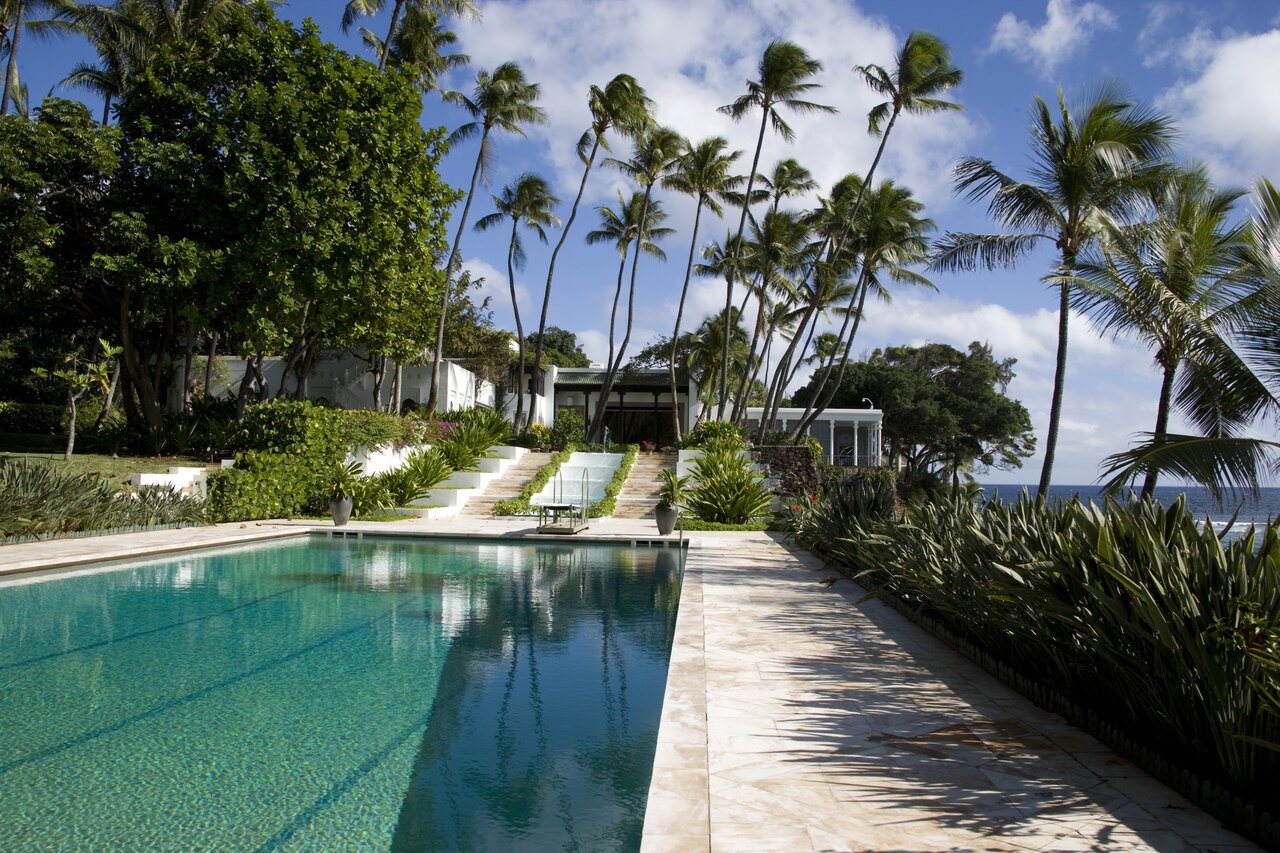
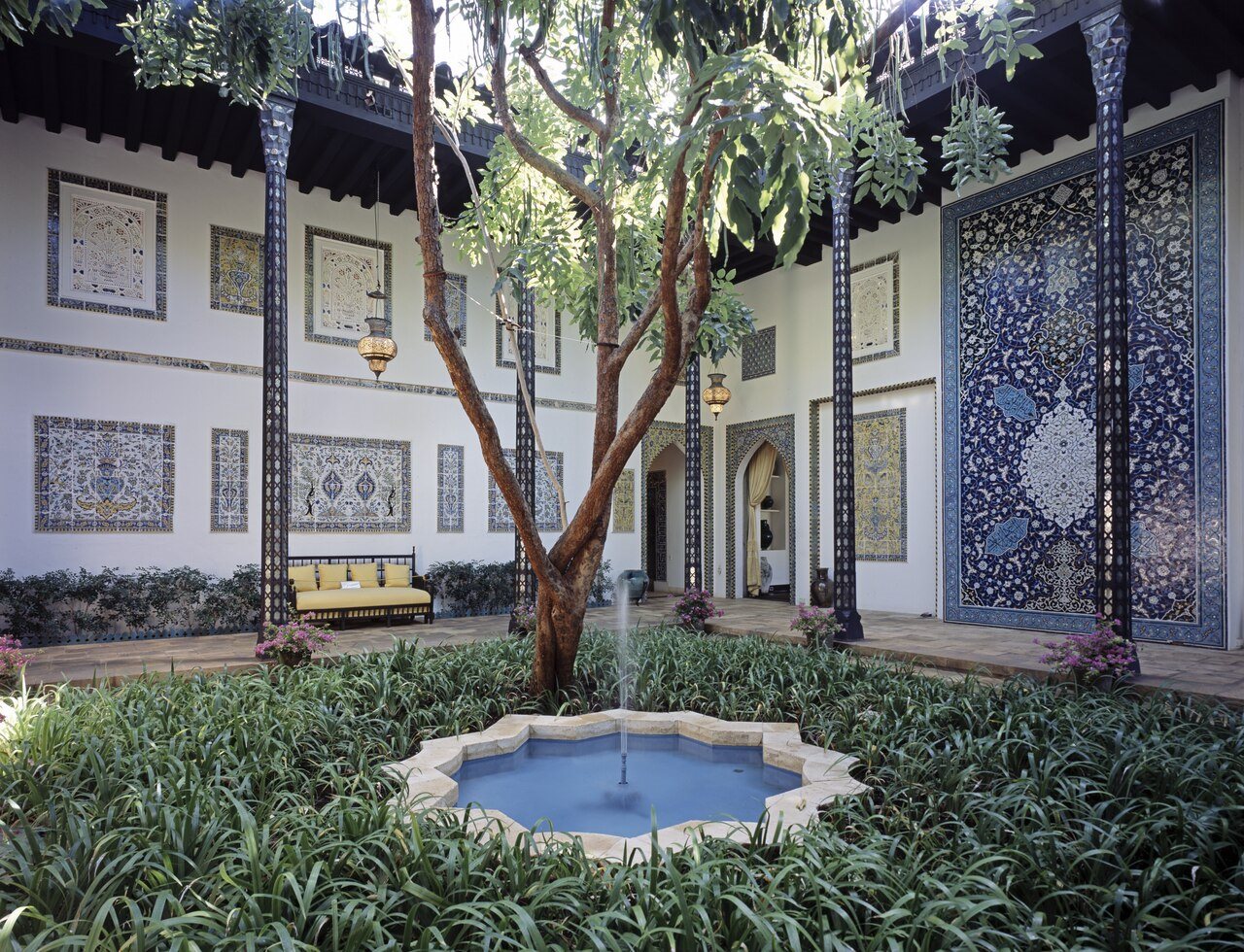
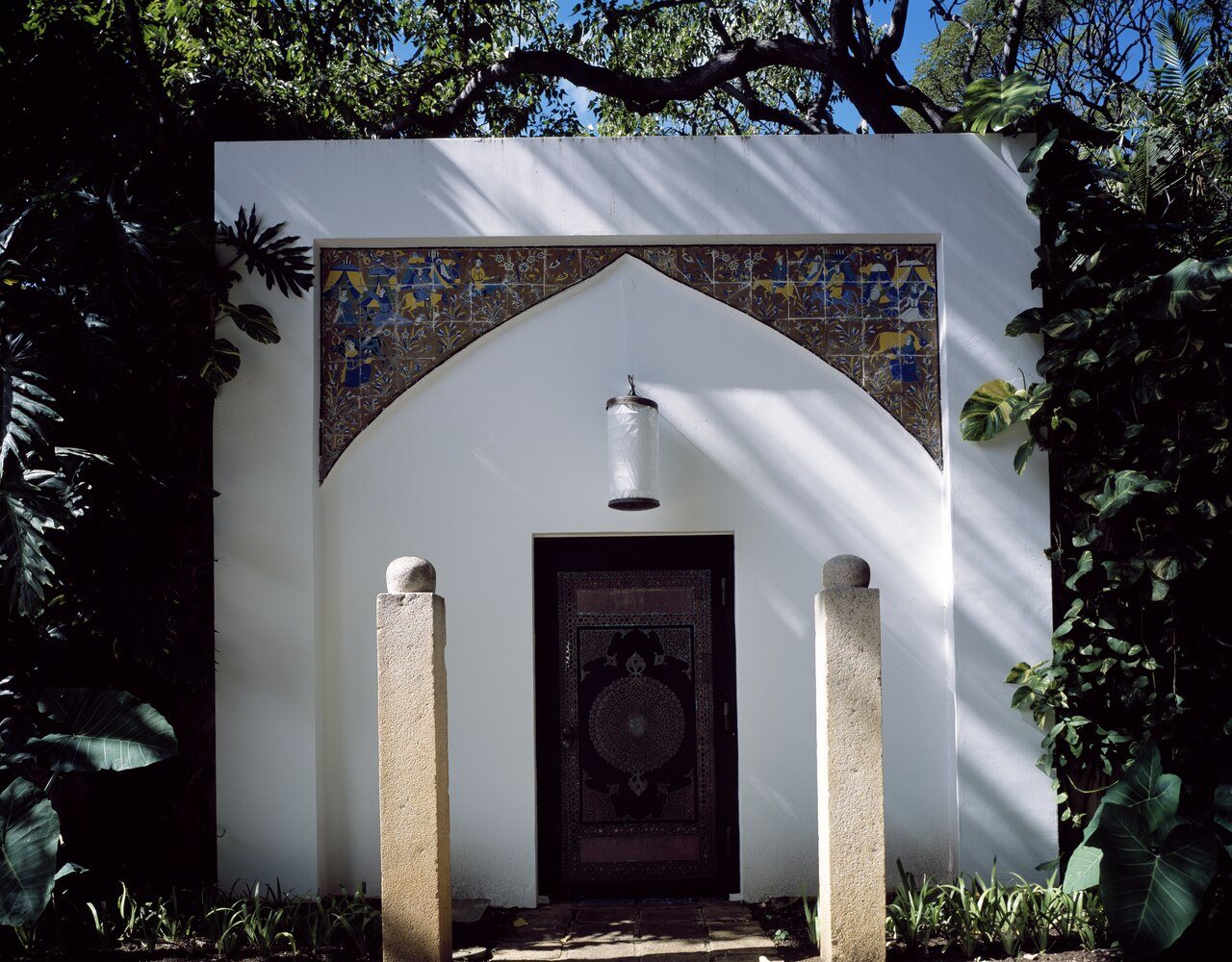
Shangri La asks visitors to think about Islamic art in a very particular place, Honolulu. The collection occupies a setting shaped by Doris Duke’s interests and the history of the property. Planning a visit means paying attention to both the artworks and the circumstances that brought them together.
The institution describes its work through collections, residencies, fellowships, exhibitions, and digital storytelling. Its origins reach to Duke’s establishment of the property in the 1930s. That combination of historical collecting and current programming offers several possible approaches to a visit. Institution overview
Shangri La’s introduction defines Islamic art across time, geography, media, and religious backgrounds. Its collection includes objects made by or for Muslims and non-Muslims. This framing helps visitors avoid expecting a gallery composed solely of objects used in religious practice. Art introduction
The collection overview points to ceramics, textiles, architectural elements, and contemporary commissions. Choose a material to follow through the visit. Tile, for example, can be considered through its pattern, edge, scale, and relationship to the surface around it. A textile raises different questions about flexibility, light, and viewing distance. Collection
Treat the setting as part of the interpretation. When an architectural element appears in a collector’s home or museum, ask what is known about its original placement and what was changed for the new installation. Record the institution’s explanation rather than filling gaps with a romantic story of travel.
The current planning page requires advance online reservations. It also describes same-day admission benefits at a partner museum. Read the actual ticket conditions for your selected date, including the meeting location, transport arrangements, arrival time, cancellation terms, and accessibility information. Older tour schedules remain online and may describe an earlier operating pattern. Current visit planning
Book the museum portion before arranging the rest of the day. Leave enough time for transport and the orientation requested by the host. If a member of your group needs step-free access, seating, or another accommodation, confirm the available arrangement with the institution before choosing a ticket.
A tightly packed itinerary can make a visually rich place feel rushed. Keep the next appointment flexible enough to allow time for notes, conversation, and any return transport included in the booking.
The institution’s contact page states that photography is permitted in designated areas for private, non-commercial use and directs publication and reproduction inquiries to its staff. That distinction matters for visitors writing a blog, promoting a business, or preparing a public guide. Permission to take a picture during a tour does not by itself grant permission to publish it commercially. Photography information
For personal notes, record the object title, material, and location alongside any permitted image. For a publication, obtain the applicable rights information for the specific image and work. A beautiful architectural photograph is more useful when it comes with a reliable caption and documented use terms.
Instead of trying to remember every decorative detail, choose one relationship to investigate. How does light change a surface? Where does an object end and the architecture begin? How does a contemporary work relate to the historical material around it?
These are looking prompts, rather than assumptions about the curatorial intent. Read labels and listen to the guide for the documented interpretation. If your observation differs from the explanation, preserve both in your notes and follow the question afterward.
Before leaving, identify one object you want to find again in the online collection. Save its title and record number. This creates a useful continuation of the visit and makes it easier to distinguish the particular history of Shangri La from the much broader histories represented by its artworks.
A rewarding visit can hold those scales together, the specific Honolulu institution and the many places, makers, and periods its collection brings into view.
One work requires more than an appreciation of its glittering surface. Shangri La holds the monumental luster mihrab signed by Ali ibn Muhammad ibn Abi Tahir and dated May 1265, originally part of the Emamzadeh Yahya shrine in Varamin, Iran. Research by Keelan Overton and Hossein Nakhaei, published through the University of Michigan's Khamseen project, follows its displacement and later life in Honolulu. More than sixty tiles form a structure over twelve feet tall and seven feet wide.
Their study restores the architectural setting missing from a standalone display. The mihrab occupied much of the shrine's qibla wall, framed by further tilework and stucco inscriptions. The researchers document its removal as a loss to a living place of visitation; the shrine continued to matter to its community after the tiles departed. Reading that account alongside the museum presentation changes the visit. The work is both an extraordinary ceramic achievement and a fragment of a building whose history continued elsewhere. Its present location should not erase that earlier setting. Source
ArtA close-looking guide to a Qur’an folio and luster ceramics, using Cleveland’s public collection records.
 Art
Explore rock crystal, metalwork, manuscripts, and textiles through the Dallas Museum of Art’s Keir Collection records.
 Art
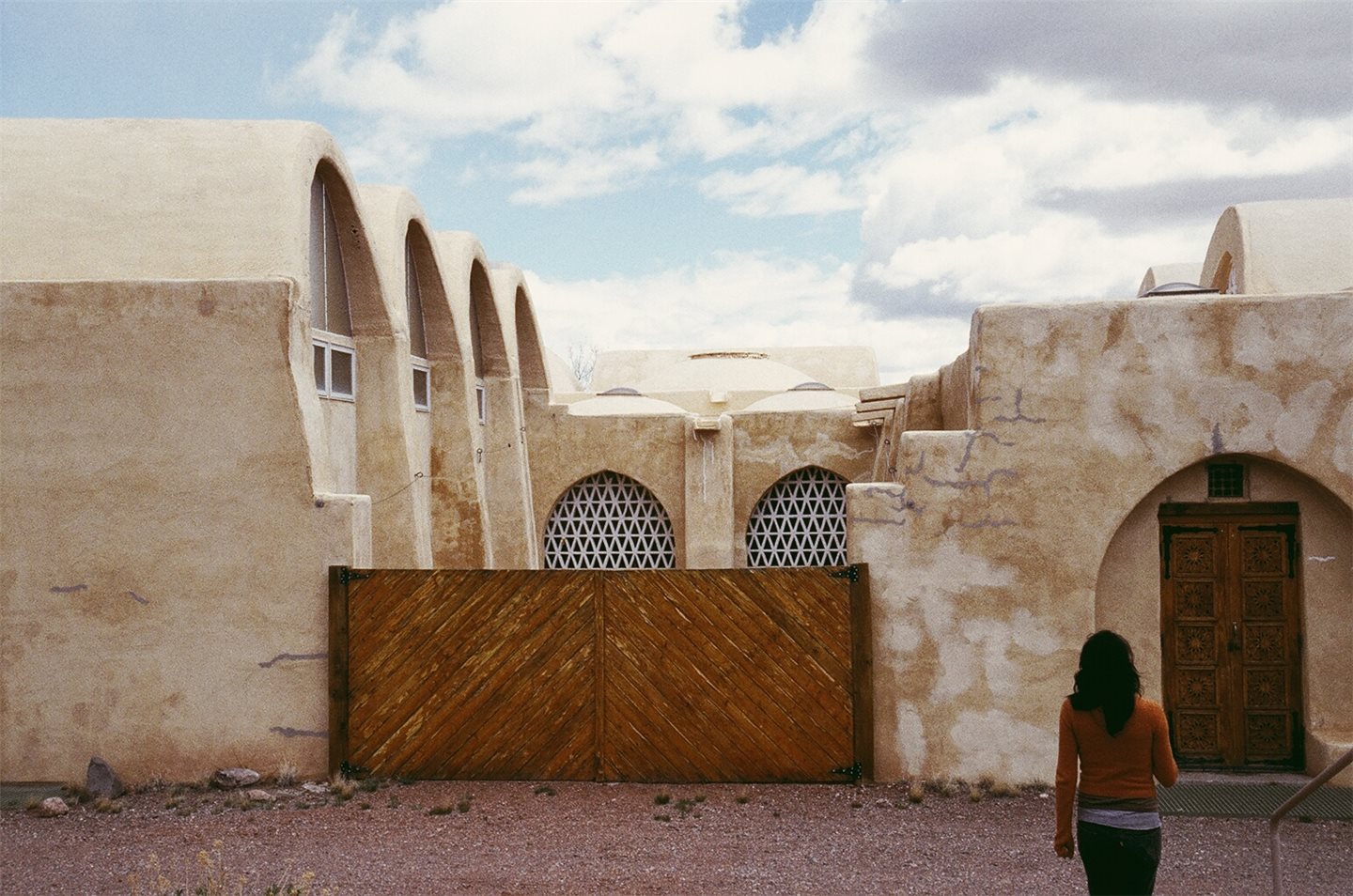
Hassan Fathy’s New Mexico mosque connects Muslim community-building, earthen construction, and a changing vision for life in the American Southwest.