
 Art
How to Explore Islamic Art in Cleveland’s Open Collection
A close-looking guide to a Qur’an folio and luster ceramics, using Cleveland’s public collection records.
Explore rock crystal, metalwork, manuscripts, and textiles through the Dallas Museum of Art’s Keir Collection records.
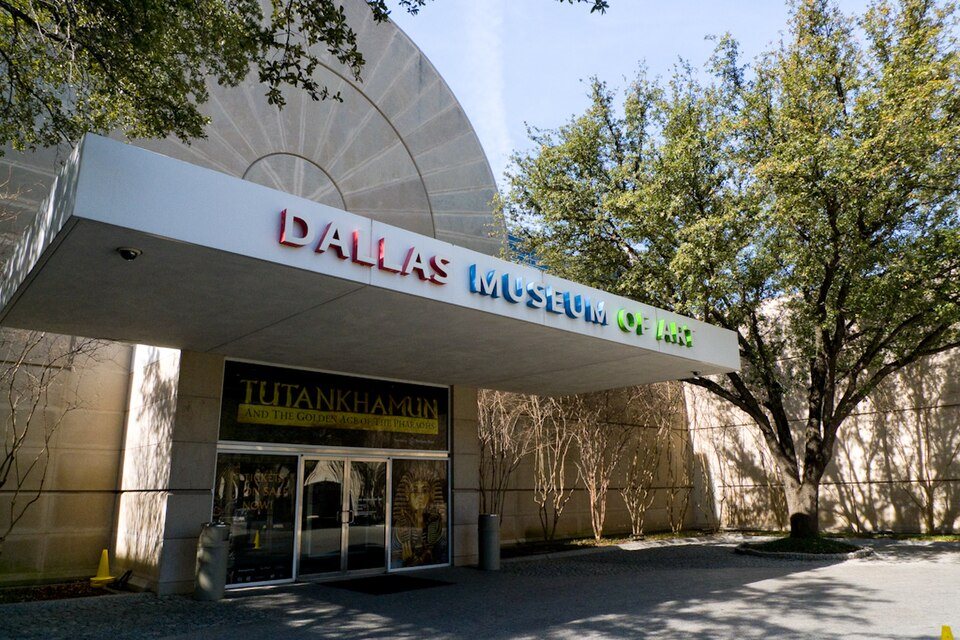
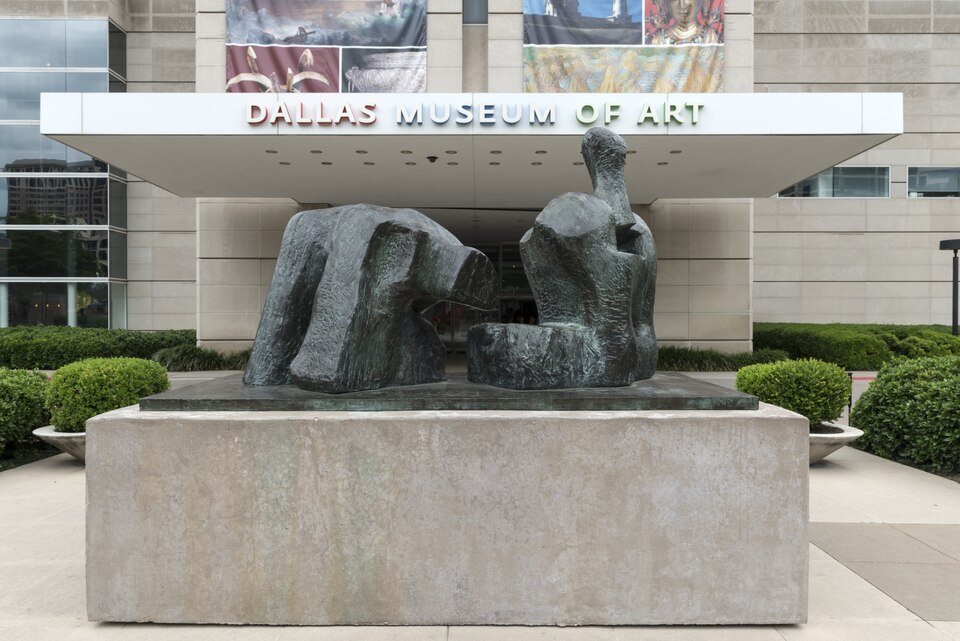
Rock crystal makes a useful first question for an art museum visit. How was a hard, transparent material shaped into a vessel, and what happens when a later owner adds a new mount? The Keir Collection at the Dallas Museum of Art offers that question alongside ceramics, manuscripts, metalwork, carpets, and textiles.
The museum describes the collection as assembled over five decades by Edmund de Unger and spanning more than thirteen centuries across a region from the western Mediterranean to South Asia. It is held through a long-term loan arrangement. Check the current gallery page and visit information for access rather than assuming that the collection’s full holdings are on display. Keir gallery
A rock-crystal ewer associated with the collection is cataloged as Fatimid Egyptian work from the late tenth or eleventh century, with enameled gold mounts made in France in 1854 by Jean-Valentin Morel. The museum’s page records an earlier focus installation, which ran in 2014–15.
The two dates are central to understanding the object. They establish that the vessel as presented has more than one episode of making. A later mount can frame, protect, embellish, or reinterpret an older work. The precise purpose in an individual case should follow the scholarship, but the visible combination invites questions about changing taste and ownership. Ewer archive
Look for the boundaries between materials. Which components belong to the stone vessel, and which to the later metalwork? A photograph may make them read as a unified silhouette. The catalog restores the distinctions.
The archived exhibition Spirit and Matter provides a useful list of collection highlights. It includes the Homberg Ewer, identified as Syrian work dated 1242 in brass inlaid with silver, alongside a luster-decorated Iranian tile and a Shahnama manuscript produced in Shiraz in 1539. The exhibition itself closed in 2016. Treat the page as a research resource and verify current display separately. Exhibition archive
These objects support a comparison of how a surface carries information. Metal inlay creates contrast within a metal body. Ceramic decoration interacts with glaze and firing. A manuscript combines support, writing, and painting. The distinctions are more informative than grouping them under a shared adjective such as ornate.
For a first visit, choose one example in two or three media. Read the material line carefully. Ask what the technique allows a maker to do and where the process might leave visible evidence. A handle, edge, or repaired area may be as revealing as the main decoration.
The collection’s breadth includes carpets and textiles. When considering a textile, begin with its format and surviving condition. Is it a complete object or a fragment? Does the catalog identify a garment, furnishing, or another use? A decorative motif alone cannot answer those questions.
Observe the relationship between repeat and edge. A fragment may cut through a repeating pattern and make it difficult to imagine the original whole. Avoid inventing the missing structure. A careful description can state what survives and identify what remains uncertain.
The online collection search can help locate records before a visit. Save accession numbers and titles, because similar subjects and materials may appear across many entries. Collection search
A practical route is to choose one object with a later addition, one with a named or dated inscription, and one whose original purpose is difficult to determine. Those three categories encourage different kinds of attention and keep the day manageable.
If visiting with children, ask them to identify which part of an object they would find hardest to make. Adults can answer the same question. Compare the responses with the museum’s account of technique rather than treating any guess as a historical fact.
Before leaving, record one unresolved question. It may concern a word in the material description, a place name, or a gap in the ownership history. The collection’s scale means there will always be more to investigate. A precise question gives a return visit a direction and turns a beautiful object into the beginning of a longer encounter.
The museum's Spirit and Matter archive supplies two useful reference points for the Keir Collection. The Homberg Ewer is identified as a Syrian work of 1242, made from brass inlaid with silver. A Shahnama manuscript from Shiraz is dated 1539. These names and dates make a comparison more precise than simply pairing “metalwork” with “painting.” One object asks how two metals create contrast on a shaped vessel; the other places painting and writing within the format of a book.
The exhibition itself took place in 2015–16. Treat its illustrated objects as research leads, then search the collection for their current records. The history of display is useful even when a work has returned to storage: it reveals how curators grouped materials and which objects they chose to introduce a newly accessible collection. Source
ArtA close-looking guide to a Qur’an folio and luster ceramics, using Cleveland’s public collection records.
 Art
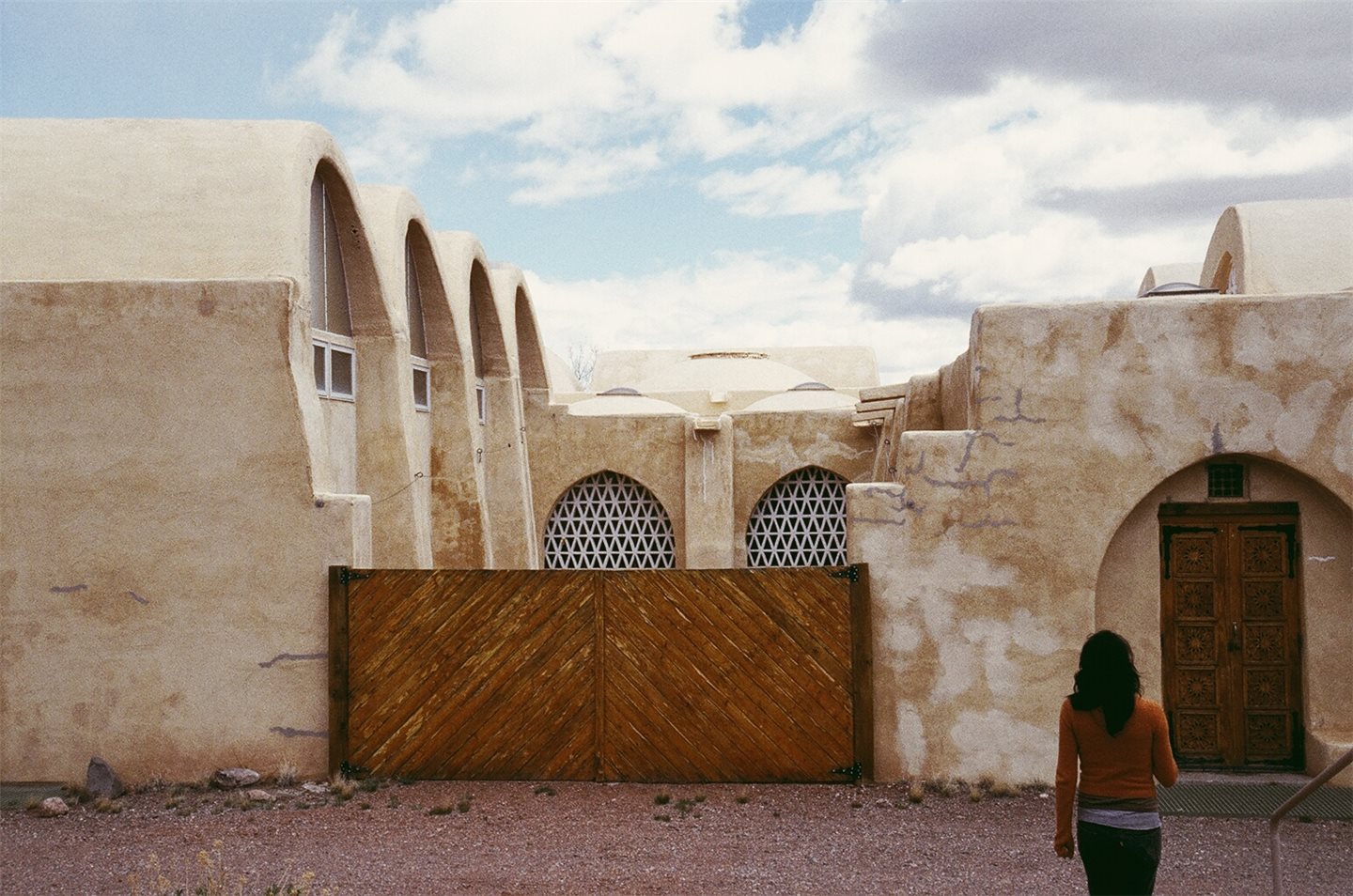
Hassan Fathy’s New Mexico mosque connects Muslim community-building, earthen construction, and a changing vision for life in the American Southwest.
ArtLearn to follow repetition, symmetry, borders, and materials without reducing every pattern to a single meaning.