 Art
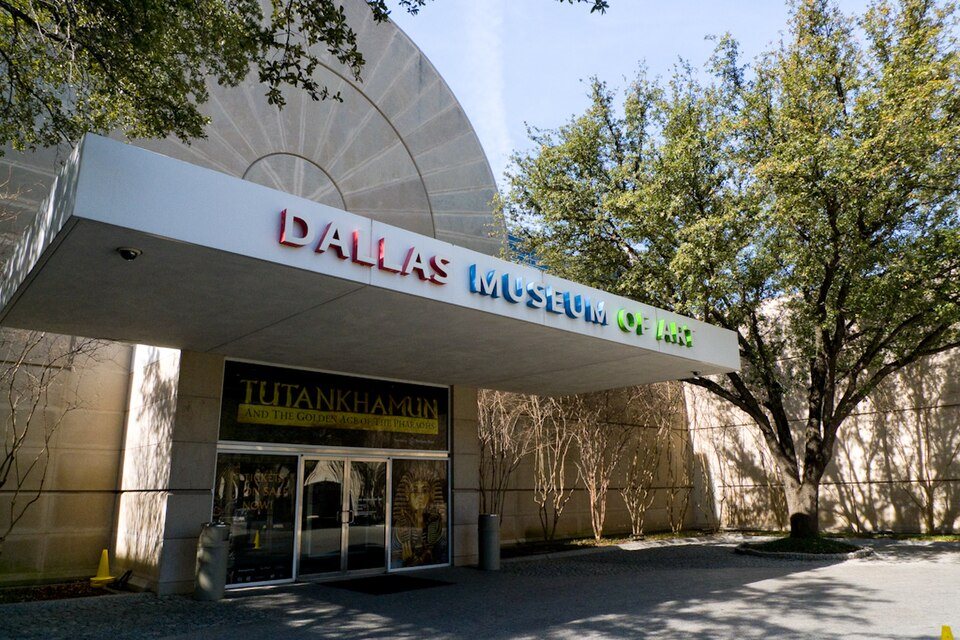
What to Look for in Dallas’s Keir Collection
Explore rock crystal, metalwork, manuscripts, and textiles through the Dallas Museum of Art’s Keir Collection records.
A close-looking guide to a Qur’an folio and luster ceramics, using Cleveland’s public collection records.
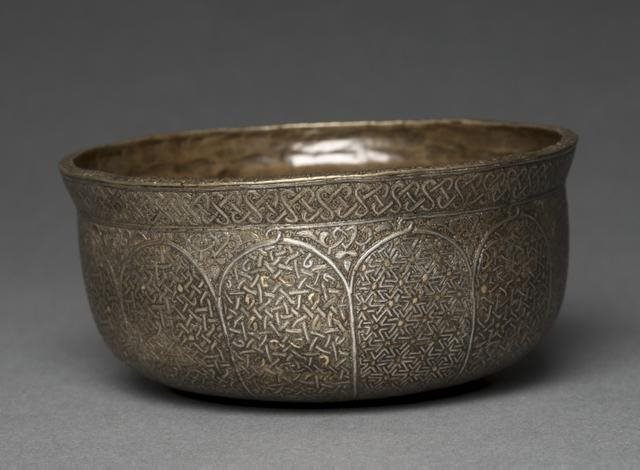
A page of writing and a ceramic dish may seem like an unlikely pair. In the Cleveland Museum of Art’s online collection, they provide a compact introduction to the range of Islamic art and to the care required when reading a museum record.
Begin with accession number 1933.493, a Qur’an folio dated to the 800s and attributed probably to Egypt. The record identifies parchment, ink, opaque watercolor, and gold. Its description explains the elongated horizontal forms of the Kufic writing, red vowel dots, and gold markers. The page was listed as not on view when checked for this guide. Object record
Before enlarging a letter, look at the entire folio. Notice how the writing occupies the wide sheet and where the eye encounters gaps. Those spaces are part of the visual experience, even for a visitor who does not read Arabic.
Use the catalog’s dimensions to imagine the physical object. A screen can make a small page fill your field of vision or reduce a large object to a thumbnail. Placing a sheet of paper of roughly comparable size beside your screen helps restore a sense of scale.
The museum qualifies the geographic attribution with “probably.” Preserve that word. It tells readers something important about the state of knowledge and prevents an attractive image from acquiring a false certainty as it circulates.
The collection’s Luster Dish with Seated Prince, accession 1951.289, offers a different arrangement of image, surface, and shape. Its catalog places the work in the history of Iranian ceramic production and describes a seated figure within the dish. Use the object photograph to study how the central image relates to the surrounding ornament. Dish record
The word luster refers to a surface effect and technique identified by the museum. A reproduction can show color and pattern, but reflected light and a curved surface are harder to judge from a single photograph. Compare available views and resist treating the brightest part of an image as a fixed property of the glaze.
Another bowl, accession 1915.585, provides a useful comparison through its concentric arrangement of dark luster and lighter areas. Put the two records side by side. Ask how a figure changes the way you read a decorated vessel compared with bands or repeated forms. Bowl record
These are prompts for visual study rather than an assertion that the objects had identical uses or audiences. Check the dates, places, materials, and scholarly notes before making a historical comparison.
Cleveland’s open-access initiative permits reuse of images of public-domain artworks made available under the program. The folio’s individual page explicitly allows copying, modification, and distribution without seeking permission. Keep the item-level rights statement with any downloaded file. Open-access policy
A useful personal folder contains an overall image, a text note with the accession number, and a link back to the object. If you crop an image for a class presentation or blog, label the crop as a detail and retain an uncropped version. Someone following your work should be able to distinguish the artwork’s original shape from your editorial choice.
Do not infer that every image on a museum website has the same reuse status. Contemporary works, installation photographs, and borrowed material may carry different terms. Check the specific record.
A past Cleveland presentation titled Art of the Islamic World ran from May 2021 through May 2022. It remains useful evidence of the museum’s interpretive approach, but those dates make it an archived exhibition rather than a current event recommendation. Archived presentation
For an upcoming visit, use the current gallery and object information. Choose several possibilities so a display change does not undermine the day. Save a question about each object rather than a rigid checklist.
A family can make this into a comparison game. One person finds a line, another a repeated form, and another a material they want to understand. Each observation should point to something visible. The exercise works equally well on a museum screen at home or in front of an artwork, while keeping the history attached to the institution’s documented account.
Cleveland's Luster Bowl with Ibex, accession 1944.477, supplies a concrete link between animal imagery and ceramic technology. The museum dates it to the eleventh century and locates its manufacture in Fustat, or Old Cairo, during the Fatimid period. Its earthenware body carries a luster-painted design. The collection account connects the development of the technique in Cairo with Iraqi potters, describing it as expensive and unpredictable.
The ibex's long curved horn is a strong visual anchor, while surrounding plant forms fill the shallow bowl's interior. A detail photograph can help separate the animal's outline from wear on the surface. This is a digital-study suggestion: the record listed the bowl as not on view when checked. It also explicitly permits copying, modification, and distribution, making it a practical example for a personal image notebook. Preserve the museum attribution and accession number even where permission is not legally required; those details make later research much easier. Source
ArtExplore rock crystal, metalwork, manuscripts, and textiles through the Dallas Museum of Art’s Keir Collection records.
 Art
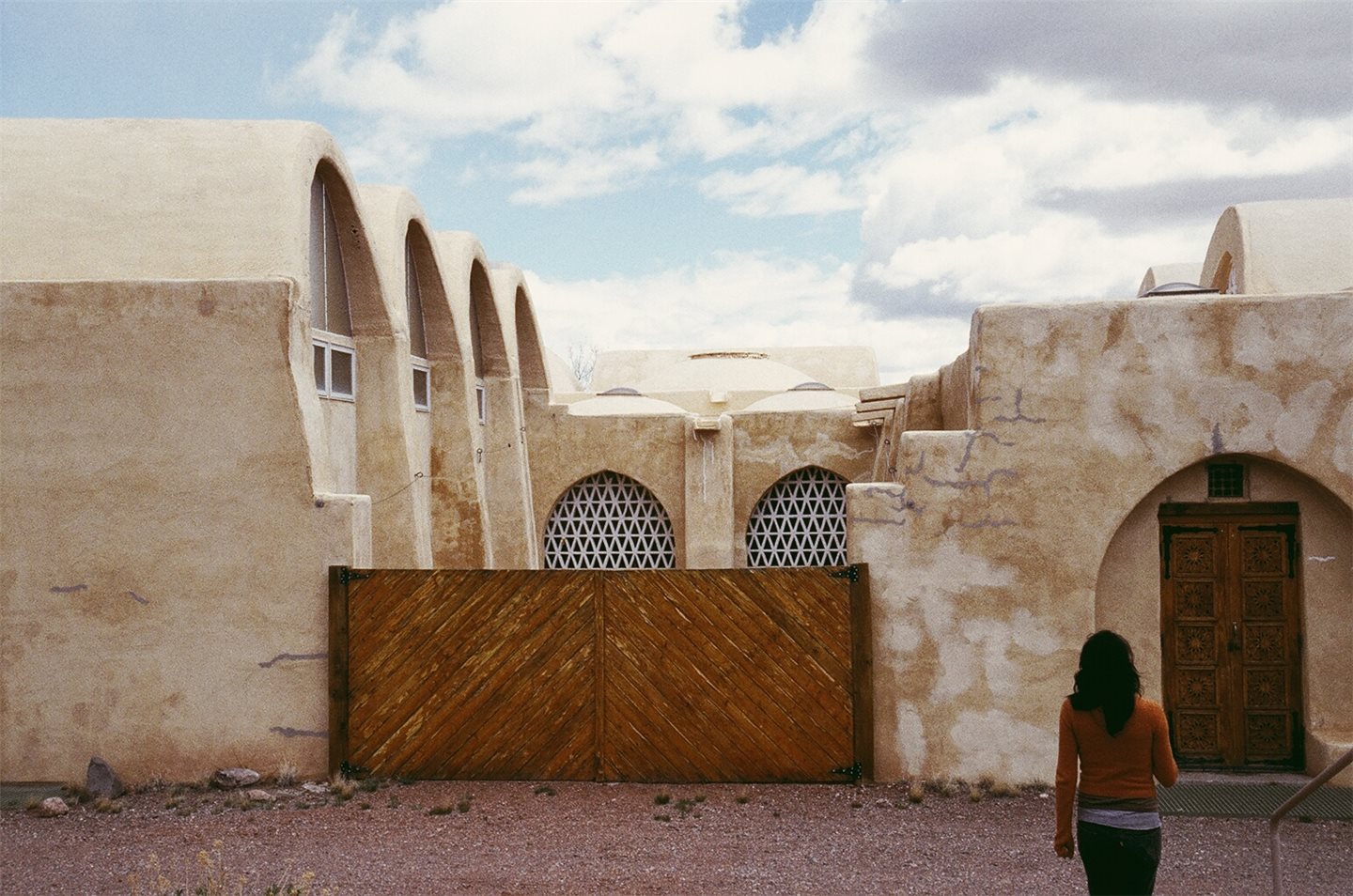
Hassan Fathy’s New Mexico mosque connects Muslim community-building, earthen construction, and a changing vision for life in the American Southwest.
ArtLearn to follow repetition, symmetry, borders, and materials without reducing every pattern to a single meaning.