Bilqis Abdul-Qaadir: changing who gets to stay in the game
Bilqis Abdul-Qaadir, the campaign to change basketball’s headgear rule, and her later coaching work.
Five Muslim American sporting stories connecting achievement with public voice, participation, coaching, and education.
Bilqis Abdul-Qaadir, the campaign to change basketball’s headgear rule, and her later coaching work.
 History
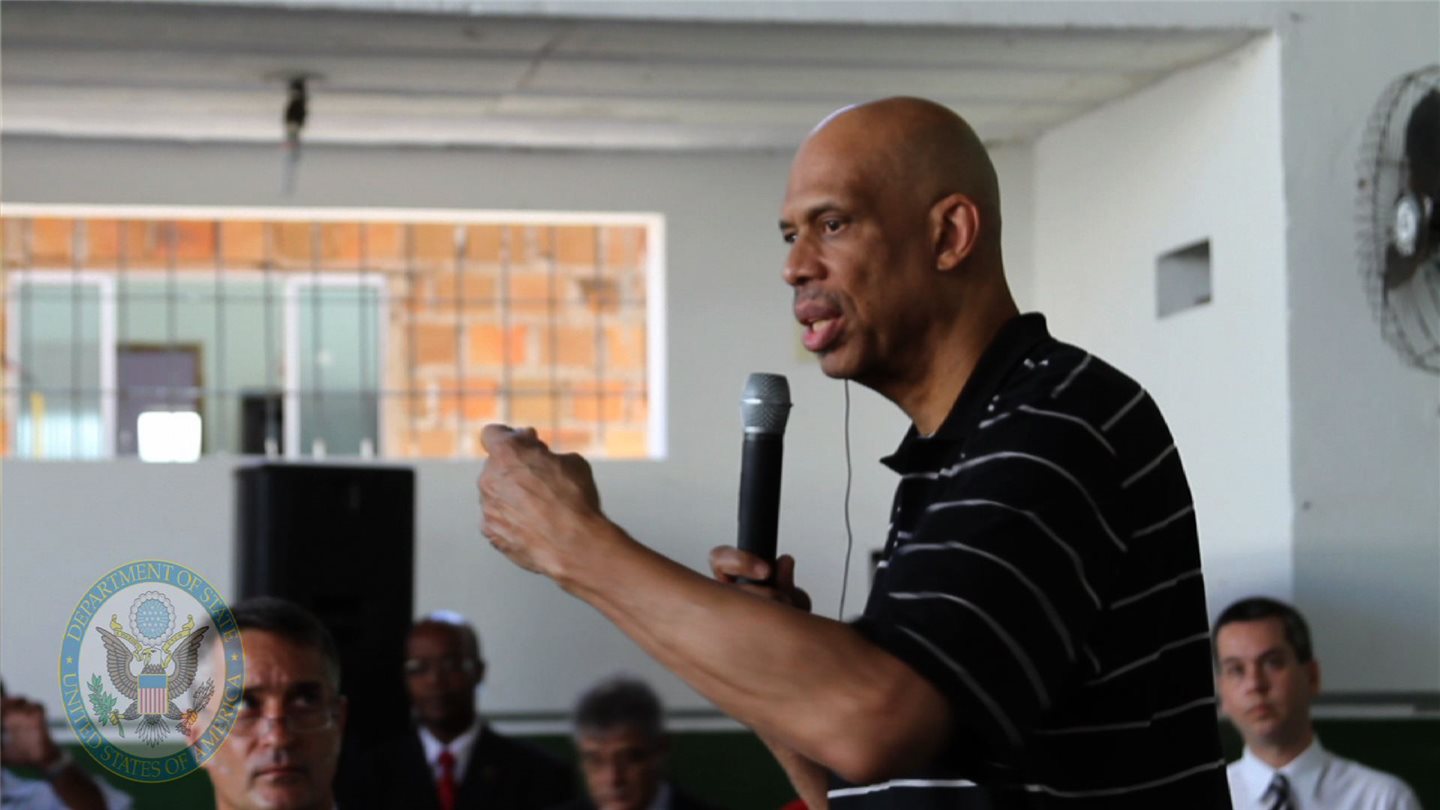
Kareem Abdul-Jabbar’s outdoor education work, public identity, and partnerships beyond basketball.
 History
The Atlanta student-support organization founded by Shareef, Delicia, and Qaadirah Abdur-Rahim, with current hiatus context.
 History
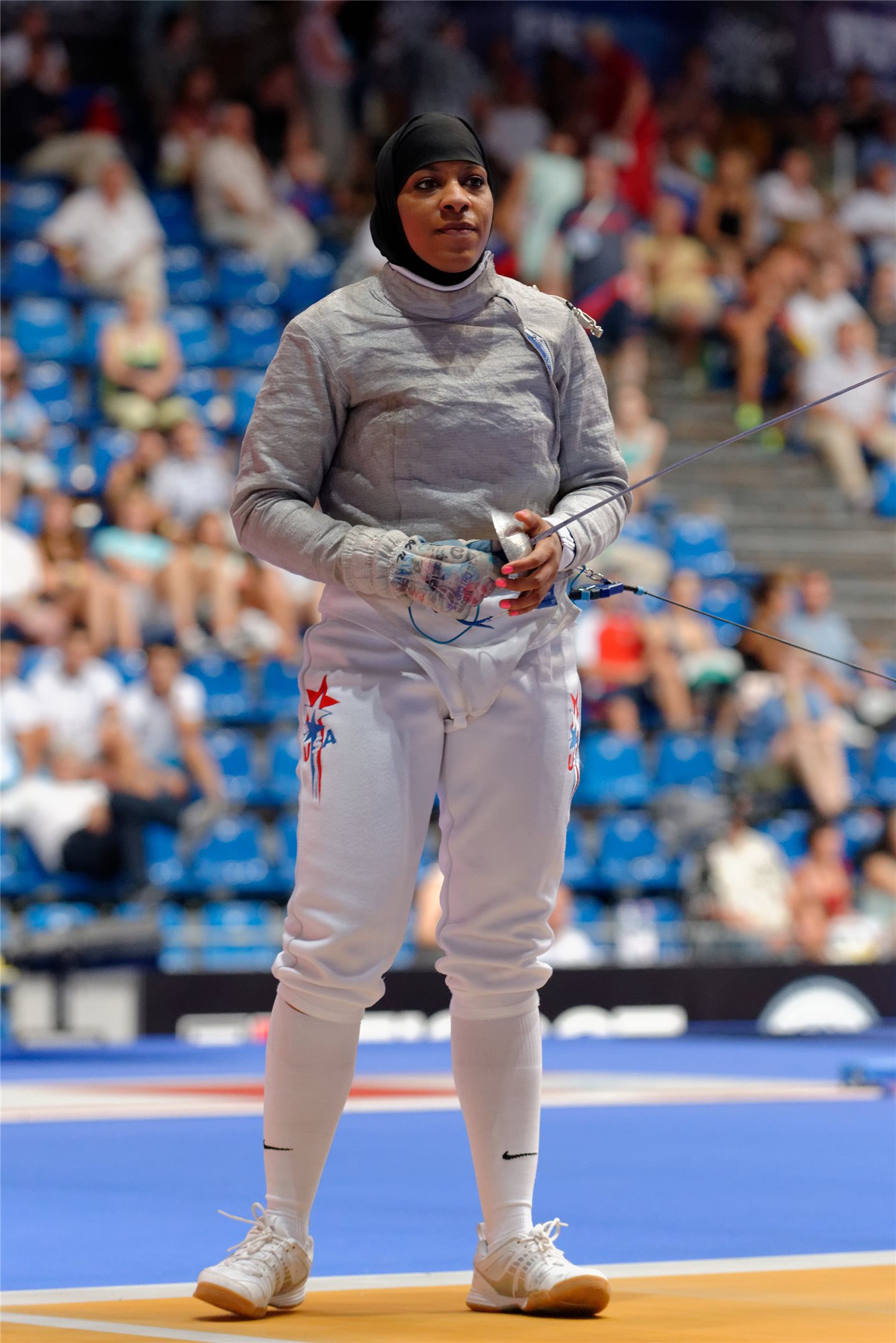
Follow Ibtihaj Muhammad’s Rio team bronze and the picture book she made with S. K. Ali and Hatem Aly.
 History
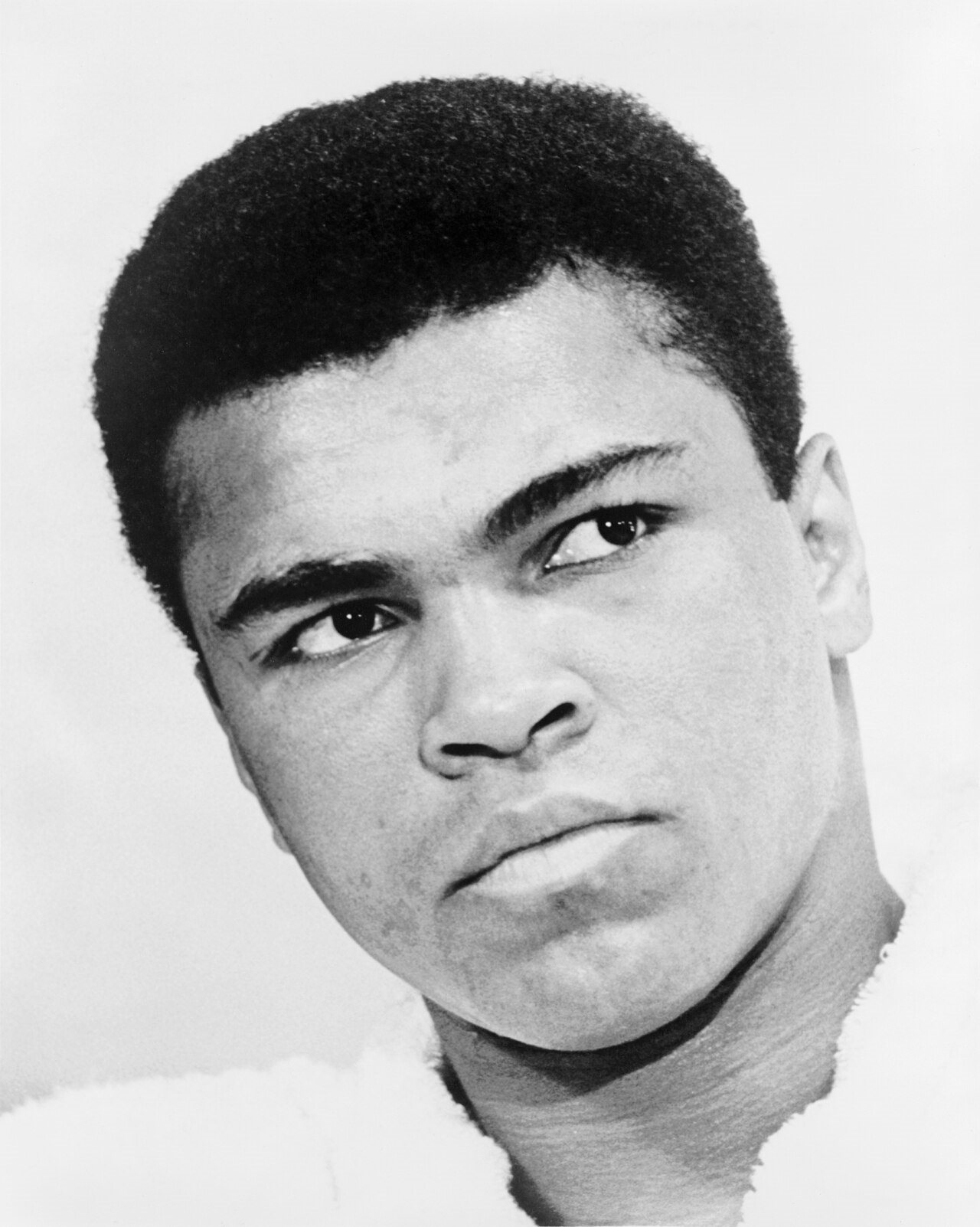
Trace Ali’s Muslim identity through his boxing career, refusal of induction, personal writing, and museum objects.
A medal ceremony is only one place to look for a sporting contribution. A disputed eligibility rule, a picture book in a school library, an outdoor science program, and an after-school organization can also reveal how athletes help shape American life. This collection follows five people whose work extends across those settings.
Their stories begin with recognizable sports: boxing, fencing, and basketball. They lead toward different questions. Who gets to define an athlete's identity? What makes a team achievement possible? Which rules keep someone from competing? What can a public platform support when the game is over?
The people here are included on the basis of documented Muslim identity, not assumptions about names or appearance. They do not stand for every Muslim athlete. Their experiences differ by generation, gender, sport, location, and the institutions around them. Reading those differences is part of the value of the collection.
Start with Muhammad Ali for a life in which athletic achievement and public identity became inseparable. His career brings a reader from Louisville and Olympic boxing to heavyweight championships, religious change, and highly visible disagreement over military service.
The profile follows more than a sequence of famous bouts. It includes objects and records that make a public life tangible: a robe, correspondence, and museum accounts of how he is remembered. These allow a reader to move between the athlete seen by a crowd and a person speaking or writing for himself.
Ali's contribution to American culture includes the questions his public choices made difficult to ignore. Could a champion insist on a new name when some people refused to use it? Did a famous athlete have the same freedom to express a conviction as anyone else? How does a country later commemorate someone it once argued about intensely?
Those questions remain worth exploring without pretending that every observer reached the same answer. Read this profile first if you are interested in the relationship between sport, race, celebrity, and civic life.
Ibtihaj Muhammad's story gives the collection a different scale: a team event in which several athletes' work produced a shared result. At Rio in 2016, Muhammad, Monica Aksamit, Dagmara Wozniak, and Mariel Zagunis won bronze in women's team saber.
The profile keeps the teammates in view while following the significance of Muhammad competing in hijab. An athlete can be culturally visible and make a precise competitive contribution at the same time. Seeing both avoids reducing her to either a symbol or a score.
The story then moves beyond the venue. The Proudest Blue, created with S. K. Ali and Hatem Aly, gives young readers a fictional pair of sisters through whom to consider school, confidence, and belonging. Her work with Special Olympics offers another route from public recognition toward participation.
A useful family or classroom activity is to read the sporting result and the picture book together. One tells what happened in a competition; the other uses invented characters to create an experience for readers. Both belong to her public work, but they reach audiences in different ways.
Bilqis Abdul-Qaadir encountered a barrier after playing college basketball in a hijab. Her plans for overseas professional competition ran into an international headgear rule. The story is about a capable player facing a condition attached to entry, rather than losing a place through the ordinary outcome of a game.
Her participation in the campaign for change sits within a wider advocacy effort. The eventual rule change had implications for athletes who wore different kinds of religious head coverings. That is an important form of contribution: helping make a shared sporting institution more open through the visibility of a specific problem.
The profile also follows her later coaching work. A camp in Memphis brings the story down to the level of practice, instruction, and young players meeting someone whose experience they recognize. It is a different setting from international policy, but both concern who can imagine a place for themselves in the sport.
Read this story if you coach, organize activities, or want to understand why access is more complicated than telling a child to work hard. The conditions around a game can matter before effort has a chance to show on the court.
Kareem Abdul-Jabbar and Skyhook connects a celebrated basketball career with education. The foundation's outdoor-learning model brings schoolchildren into a setting where science can be encountered through experience, supported by partnerships with educators.
The name carries a sporting memory, but the activity opens a different kind of opportunity. A child does not need to aspire to professional basketball to benefit from time spent exploring and asking questions. That makes the example particularly useful in a collection where fame could otherwise overshadow ordinary possibilities.
Abdul-Jabbar's own writing supplies another part of the story. His account of becoming Muslim and choosing his name shows a public figure explaining a personal decision in his own voice. Sporting admiration and respect for a person's identity are related, but one does not automatically guarantee the other.
The profile brings these threads together without making education an afterthought to a list of awards. It asks what can happen when a recognizable name helps direct attention toward a classroom, a school partnership, or a learning experience outside the usual walls.
Shareef Abdur-Rahim and the Future Foundation brings the collection to metropolitan Atlanta. The organization's history names Shareef, Delicia, and Qaadirah Abdur-Rahim as founders. Its emphasis on relationships around students gives the story a local and institutional focus.
The contribution is not captured by a single event. After-school support asks for continuity: adults who return, relationships with schools and families, and resources that keep the work possible. Naming the co-founders and the organization makes that continuing labor visible alongside the athlete's public profile.
There is also a material current limitation. The foundation's site still displayed a 2025–2026 programming hiatus when reviewed, with a planned fall 2026 return that had not been independently confirmed. The profile preserves that distinction so a historical story does not become misleading service information for a family seeking help now.
Read this alongside Skyhook to compare two ways athletes have supported education. The shared intention does not erase differences in program, location, or institutional circumstances.
Together, these five stories give contribution several concrete meanings: competing at a high level, changing a public conversation, widening access, creating stories for children, and helping sustain opportunities beyond sport. None requires one person to represent an entire religion or community.
Begin with the profile that interests you most, then follow a connection. Ali's public self-definition leads naturally to Abdul-Jabbar's writing. Muhammad's visible participation makes an illuminating comparison with Abdul-Qaadir's experience of a restrictive rule. Skyhook and the Future Foundation invite attention to the educators, families, and organizers around a celebrated founder.
The collection is meant to make those connections easier to see. American sport is made by the people who play, the institutions that set its terms, and the opportunities that continue beyond the final score.
Bilqis Abdul-Qaadir, the campaign to change basketball’s headgear rule, and her later coaching work.
HistoryKareem Abdul-Jabbar’s outdoor education work, public identity, and partnerships beyond basketball.
HistoryThe Atlanta student-support organization founded by Shareef, Delicia, and Qaadirah Abdur-Rahim, with current hiatus context.