

 History
Muslim Americans in sports: achievement, access, and life beyond the game
Five Muslim American sporting stories connecting achievement with public voice, participation, coaching, and education.
Follow Ibtihaj Muhammad’s Rio team bronze and the picture book she made with S. K. Ali and Hatem Aly.
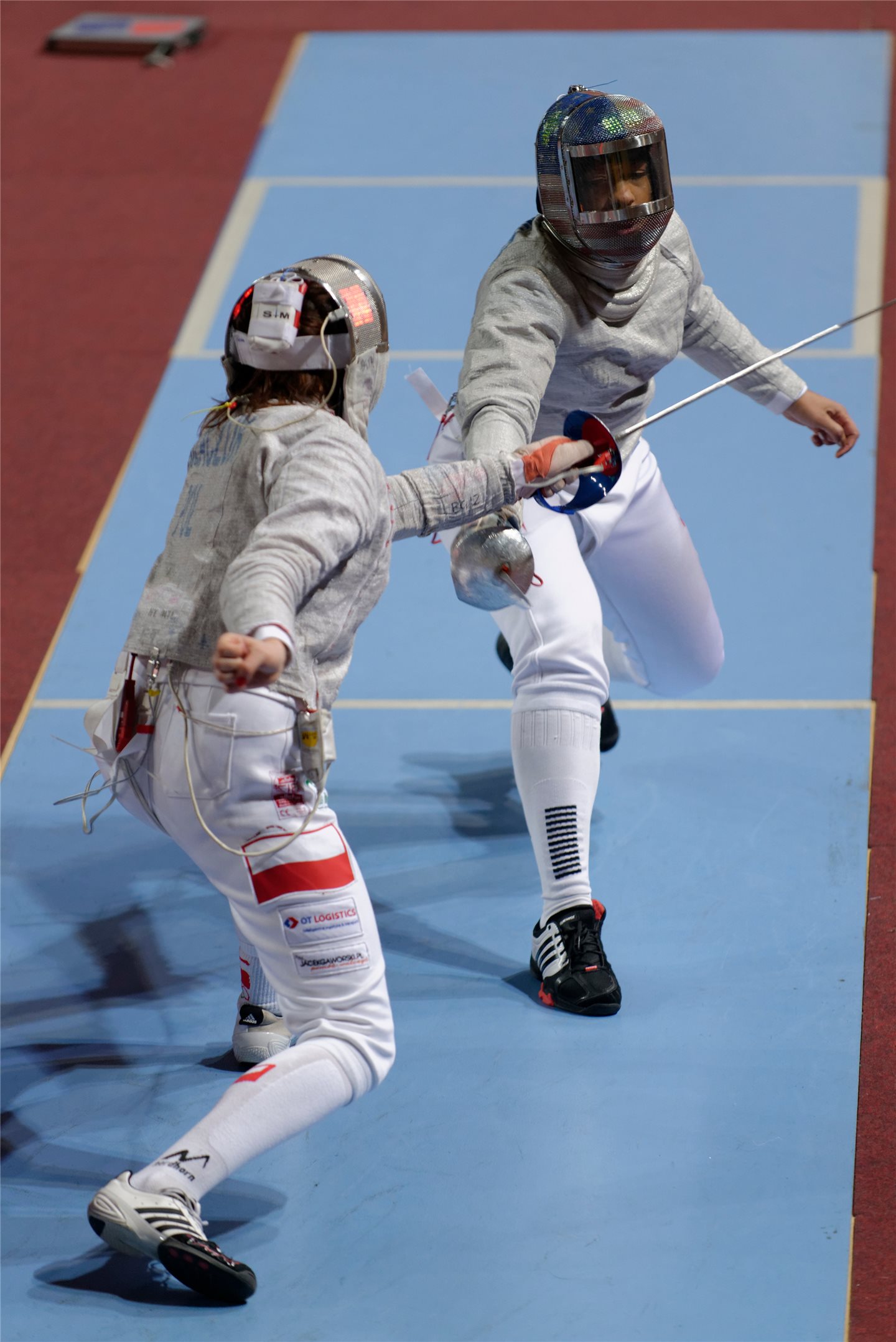
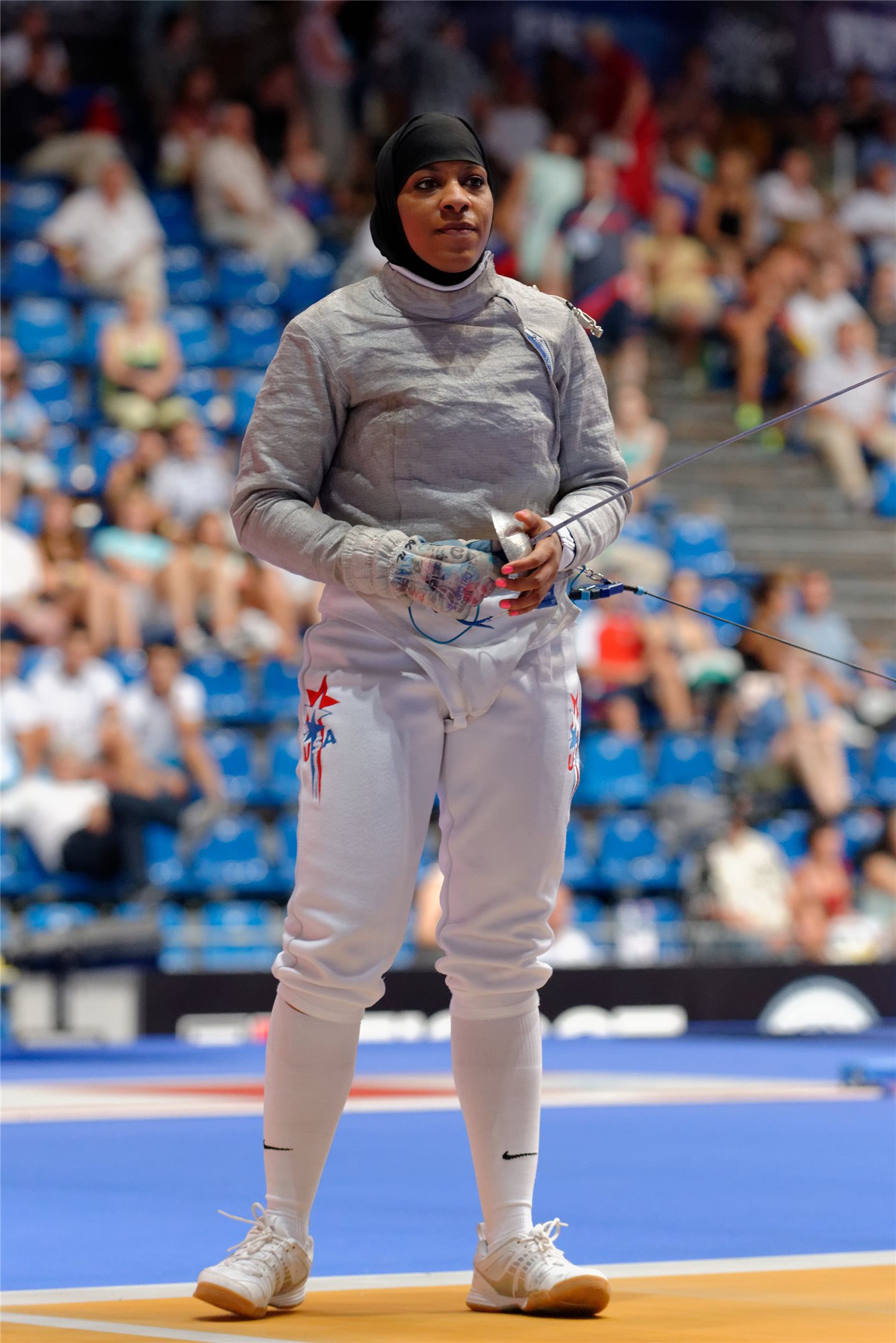
Ibtihaj Muhammad’s Olympic bronze and her picture book The Proudest Blue offer two ways to follow her public work. At Rio in 2016 she was part of the American women’s saber team that earned bronze. In the book, her young characters face an ordinary first day of school that carries unusual weight for two sisters.
Duke’s contemporary report records Muhammad’s bronze in the team saber event. That detail belongs in any account of Rio. It tells readers which competition put her on the podium and makes room for the other athletes who shared the result.
Her participation in hijab also mattered. Her publisher identifies her as the first Muslim American woman in hijab to compete for the United States at the Olympic Games. When writing about a milestone, keep the qualifier attached. A claim about competing in hijab has a different scope from a claim about who first represented the country or who first won a medal.
The Proudest Blue was published in 2019. The publisher credits Muhammad, S. K. Ali, and illustrator Hatem Aly. Faizah is starting a new school year, and her older sister Asiya is wearing a blue hijab on her first day. Faizah’s excitement gives readers a way into the story before the sisters encounter hurtful remarks.
A reading group can begin with the younger sister’s attention. What does she notice about Asiya before anyone comments? How does an illustrator show what one child admires in another? Those questions let readers discuss what the story does on the page. They also leave room for children to engage with it without being asked to speak for a religion or explain their family’s choices.
Look up the title in a local library catalog, then check the creator credits to identify the edition you want. The publisher lists editions in print, digital, and audio formats. For a group that wants to discuss Aly’s pictures, check that everyone has access to an illustrated copy. In an audio reading, give the group time to discuss what the language itself asks them to imagine.
Teachers and librarians can pair the book with an Olympic result as a short source exercise. The result gives the event, year, and medal. The publisher’s record gives the book’s credits and its fictional premise. Ask readers to write one sentence supported by each record. This helps keep the sisters’ fictional experiences separate from claims about Muhammad’s own life.
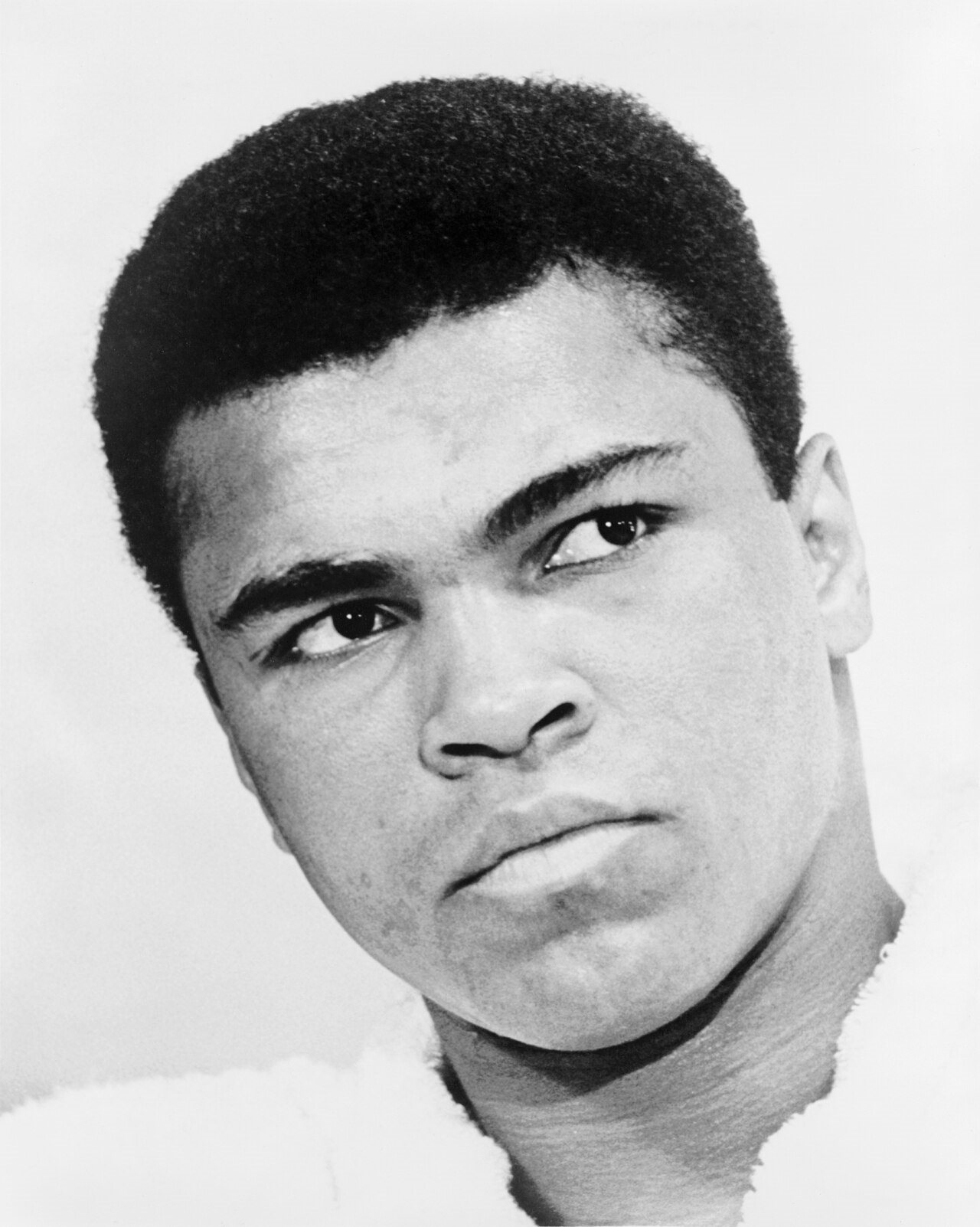
Muslim Folk’s children’s book guide offers a place to look for a second read. For a separate example of an athlete whose public life brought attention to Muslim identity, see the guide to Muhammad Ali.
Duke's August 13, 2016 report names the whole medal-winning team: Muhammad, Monica Aksamit, Dagmara Wozniak, and Mariel Zagunis. They beat Italy 45–30 in the bronze-medal match. Earlier, the Americans had beaten Poland 45–43 and lost to Russia 45–42. Those narrow earlier results make the medal more interesting than a photograph alone: a team had to recover from a semifinal defeat and compete again for third place.
Muhammad's own contribution against Italy was a 10–8 advantage across her appearances, according to the same report. The point is not to turn a team result into an individual medal. It is to see the competitive work inside a much-discussed cultural milestone. A person can matter as a visible Muslim American athlete and as a teammate whose touches affect the score. Neither description needs to displace the other.
Special Olympics records Muhammad's recognition as a Global Ambassador in 2019. Its account names her participation in the organization's fiftieth-anniversary celebration in Chicago in 2018 and connects her ambassador work with increasing opportunities for girls and women. These are concrete examples of a public sporting role extending beyond a medal. Special Olympics biography
The same biography records the doll modeled in her likeness, announced by Mattel in 2017 and available in 2018. A doll and a sporting result do different cultural work. One records a competition; the other places a recognizable athlete in an object children can encounter at home. Neither establishes what every child felt, but together they show the different settings in which an athlete becomes visible.
For a class discussion, compare the team result, the picture book, and the ambassador biography. Ask what each source can establish and what remains interpretation. A publisher can confirm creator credits. A sports department can report a match. An organization can describe an ambassador's involvement. No one record has to carry the whole biography, and the reader gains a fuller account by keeping the evidence connected to its actual purpose.
Read the wider sports collection for other ways athletes have changed American public life. Muhammad's story belongs there because it joins a specific result to a durable cultural record, rather than because one person can represent every Muslim woman.
HistoryFive Muslim American sporting stories connecting achievement with public voice, participation, coaching, and education.
 History
Trace Ali’s Muslim identity through his boxing career, refusal of induction, personal writing, and museum objects.
Use age, format, sample pages, and the child's interests to compare Muslim children's books.