 Community
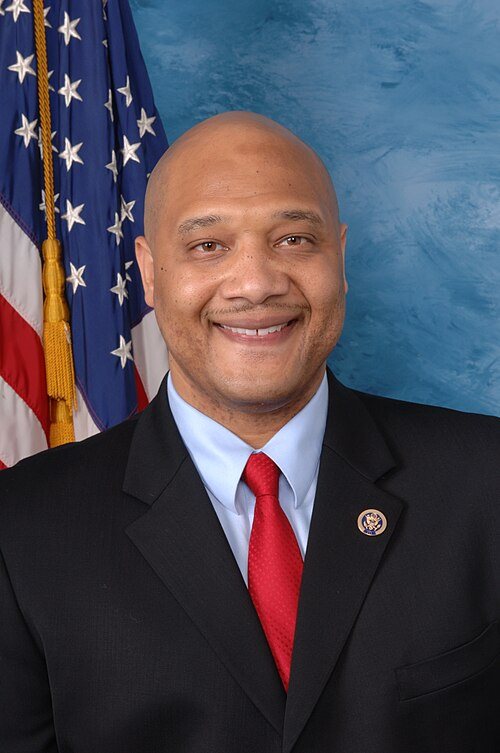
André Carson and the everyday work of congressional representation
An Indianapolis public-service story told through constituent help, local access, and documented congressional work.
Five ways to explore Muslim American service, from a military chapel and a veterans’ hospital to Congress and diplomacy.
CommunityAn Indianapolis public-service story told through constituent help, local access, and documented congressional work.
 Community
How Muslim chaplains made a place within military religious support and served people across faiths.
A Muslim chaplain’s path from community volunteering to supporting veterans at Northport.
 Community
What a historic Senate confirmation tells us about representation, diplomacy, and responsibility across faiths.
A Queens College graduate’s life, the uncertainty after September 11, and the institutions preserving his memory.
A military chapel, a veterans' hospital, an Indianapolis district office, and a Senate roll call do not look like parts of the same story. They are connected by a question: how do Muslim Americans take responsibility within the institutions that serve the country?
This collection follows five routes into that question. It includes chaplains whose work crosses faith boundaries, a young emergency medical technician remembered after September 11, a diplomat entrusted with a religious-freedom portfolio, and a member of Congress whose office connects residents with federal agencies. Each story begins with a person and a documented role.
Service is broader than a celebrated first. A first appointment may open a door, but the work continues in schedules, training, conversations, casework, and relationships with colleagues. These articles look at those details because they help explain what changed for other people.
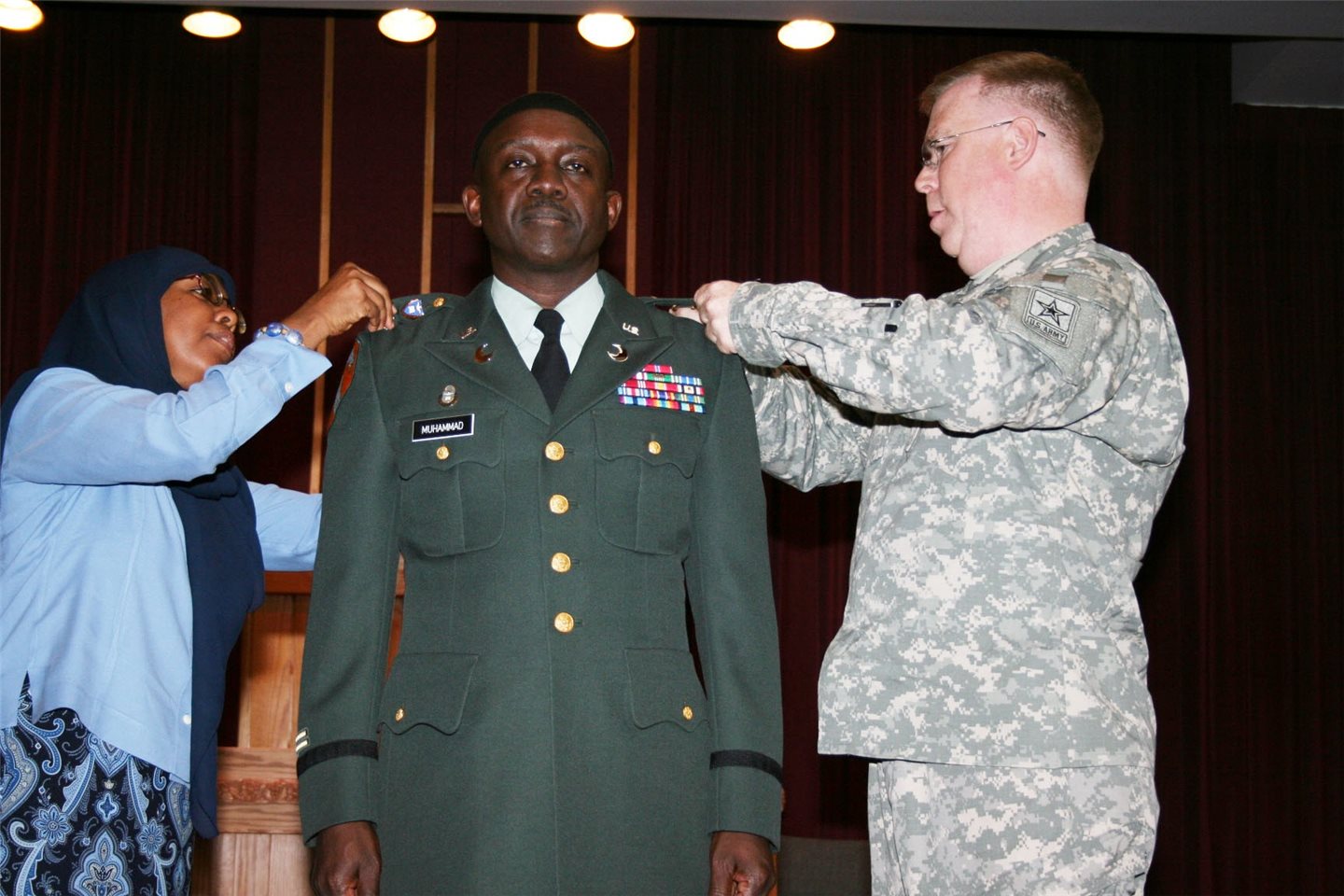
Abdul-Rasheed Muhammad and Muslim military chaplaincy follows a professional path through enlisted Army service, civilian chaplaincy, and the military's process for recognizing religious representatives. His appointment in the early 1990s made a new kind of representation visible within the armed forces.
The story also follows a later Muslim chaplain, Ibraheem Raheem, into clinical pastoral education and care for people whose beliefs differed from his own. It shows religious familiarity and professional cooperation operating together. A chaplain may understand a particular request while relying on a colleague to meet another person's need.
For a reader unfamiliar with chaplaincy, this is the best starting point. It explains why credentials, endorsement, and institutional knowledge belong in the story alongside identity. The work is neither reducible to leading worship nor confined to a single congregation.
Look especially at the difference between a milestone and a daily responsibility. The milestone becomes a date in a history book. The responsibility continues each time someone needs support within an institution that must accommodate people with different beliefs.
Omer Yigiter and spiritual care for American veterans moves from active-duty institutions to the Department of Veterans Affairs. His route into the profession involved education, community work, clinical training, and an encounter with veterans that helped shape his direction.
The article places his story alongside descriptions of VA chaplain services for people with different faiths and for people without a religious affiliation. It invites readers to think about care as a relationship that includes listening, grief, identity, and meaning, as well as the medical treatment a hospital provides.
This is a story about a profession learned through preparation. The presence of a Muslim chaplain may help a Muslim veteran feel recognized, while the professional responsibility extends beyond that shared identity. The same person can provide familiarity for some patients and respectful support for others.
Read this after the military chaplaincy article to follow a longer arc of service. The transition between institutions is useful: people do not stop having questions, losses, or spiritual needs when their military careers end. Different settings require different forms of support.
Salman Hamdani and the public memory of a first responder begins with a Queens College graduate preparing for a medical career. His death at the World Trade Center and the suspicion his family endured after his disappearance are part of the story, but they are not the whole of his life.
The article follows the relationship between contemporary reporting and later remembrance. It asks what an educational institution can preserve through a documentary and an award, and why a young person's training and ambitions should remain visible beside the circumstances of their death.
Hamdani's story is best read slowly. It contains uncertainty about his last movements, and that uncertainty should be handled honestly. There is no need to invent an exact rescue count or a dramatic final conversation to recognize the significance of his service and the loss of his future.
For students, the article offers a way into public memory: how does a person become a name on a record, a subject of a film, or an example invoked by lawmakers? Following those forms of remembrance keeps the individual visible rather than allowing a symbol to replace him.
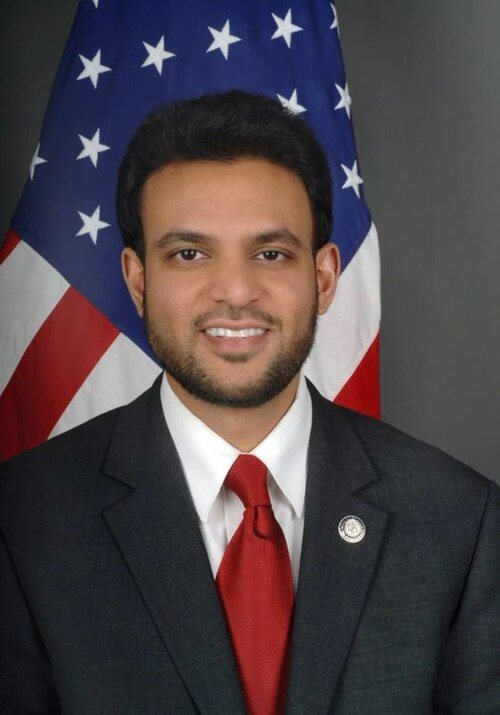
Rashad Hussain and the public work of religious-freedom diplomacy centers on his 2021 confirmation as ambassador-at-large for international religious freedom. The Senate roll call makes the appointment concrete, and contemporary reporting explains its place in Muslim American representation.
The responsibility attached to the role is as important as the precedent. A portfolio concerned with religious freedom reaches across beliefs and national borders. Its public purpose cannot be measured only by how it affects the official's own community.
This article suits readers interested in government careers, international affairs, and the relationship between personal identity and public obligation. It also distinguishes the significance of an appointment from the harder task of assessing diplomatic outcomes. A person can contribute to an institution without being the sole author of everything that institution does.
Read it alongside the chaplaincy stories. Their settings differ, but both raise a practical question about serving people who believe differently. Respect for that difference becomes part of the job, rather than merely a statement of good intentions.
André Carson and the everyday work of congressional representation brings the collection to Indianapolis. It considers the relationship between local experience, national office, and practical services such as help obtaining a federal-agency response.
The article also examines a youth opportunities fair as a concrete example of a public office convening people. A fair can bring employers, students, service providers, and volunteers into one place. The details help explain a kind of public work that can disappear behind coverage of votes and speeches.
Carson's Muslim identity belongs in the history of representation, but it does not erase political differences among Muslims or turn a district into a single-faith constituency. Readers can acknowledge a milestone and still evaluate an elected official's record in the ordinary ways of democratic life.
This is the most practical entry point for someone who wants to understand what a congressional office does beyond legislation. It also shows why staff, partner organizations, and local institutions deserve a place in a story often told through one officeholder's name.
The five articles describe different kinds of contribution. Some involve a public appointment. Others involve professional care, emergency preparation, or the preservation of a life in public memory. Together, they offer a more useful picture than a list of famous names alone.
Choose the role that interests you, follow its sources, and then move to the neighboring story. For service organized outside government, continue to giving and humanitarian work, where the focus shifts to disaster teams, housing, community support, and volunteer networks.
Find current student contacts, campus spaces without relying on old social posts.
A close look at DREAM of Detroit’s housing rehabilitation, oral-history work, and plans for shared neighborhood infrastructure.
 Community
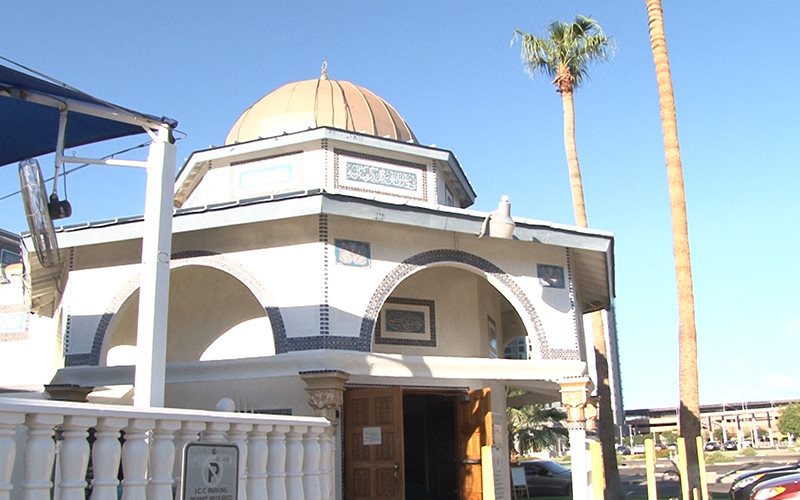
Find a public mosque visit, contact the host, and make space for a useful conversation.