DREAM of Detroit: housing, memory, and neighborhood development
A close look at DREAM of Detroit’s housing rehabilitation, oral-history work, and plans for shared neighborhood infrastructure.
Find current student contacts, campus spaces without relying on old social posts.
A new campus becomes easier to navigate when you know where reliable information lives. For Muslim students, that may include a current student organization, a reflection or prayer space, dining contacts, and a staff member who can explain the university’s processes. Build those connections during the first month while leaving room for the academic routine to settle.
MSA National publishes toolkits covering chapter organization, prayer rooms, and other student concerns. These resources can help students identify questions and prepare proposals. The actual campus process, available facilities, and current officers should be confirmed locally. MSA National toolkits
Begin with the university’s registered student organization directory. Look for the current Muslim Student Association or equivalent group and compare its official contact with recent announcements. A social account with several years of photographs may still be useful, but the people responsible for it may have changed. Ask which channel carries current events and who handles newcomer questions.
Introduce yourself briefly. Mention whether you are an undergraduate, graduate, transfer, or commuting student if that helps explain your schedule. Ask about the next accessible event or an informal way to meet members. A clear first message makes it easier for a volunteer officer to respond between classes.
If the campus has a prayer or reflection room, find the current official location and access information. Visit when you have time to learn the building. Check whether the room is shared, booked for particular activities, or available only during building hours. Ask about the route and facilities relevant to your needs.
Keep the room’s practical details separate from a student group’s event schedule. A room may remain open when no event is listed, while an event may take place somewhere else. Save the building contact for access questions and the organizer’s contact for activities. This prevents a simple room question from being passed between several people unnecessarily.
Attend something that fits your interests and timetable. A large banquet, a study gathering, a volunteer shift, and a career discussion offer different ways to meet people. You can start small. A commuting student or someone with a job may need activities that fit between existing commitments.
If you volunteer, agree on the task and deadline. Helping with room setup, a graphic, or a registration list can be valuable when it is clearly coordinated. Ask where files should be stored and which personal information you are permitted to handle. Good habits in small tasks make future events easier for everyone involved.
Student groups turn over regularly. Record practical knowledge in the organization’s approved shared space: room-booking contacts, event checklists, accessible entrances, and what needs to be done before the next semester. Keep passwords and private member information in appropriate systems rather than general documents.
A short record of a completed event should explain what happened, who handled which role, and what the next team should improve. Distinguish confirmed facts from suggestions. A future officer should be able to follow the process without reconstructing it from a former member’s personal inbox.
Your Muslim student group can be one part of a broader campus life. Explore academic societies, professional groups, arts activities, and volunteering that interest you. Ask current students how they balance these commitments. The aim is a routine that supports the life you are building, including friendships that cross familiar groups.
By the end of the first month, a practical success is knowing who to contact, where to find current announcements, and which spaces work for you. Those foundations let you spend less time searching for basic information and more time on classes, relationships, and the activities you choose.
A close look at DREAM of Detroit’s housing rehabilitation, oral-history work, and plans for shared neighborhood infrastructure.
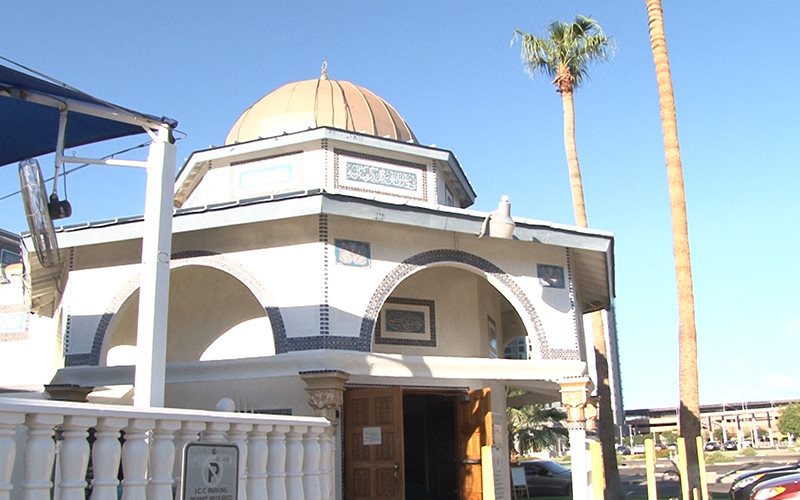 Community
Find a public mosque visit, contact the host, and make space for a useful conversation.
Documented energy and water projects in American mosques, from ISNA’s ENERGY STAR partnership to incremental improvements in Milwaukee.