 Art
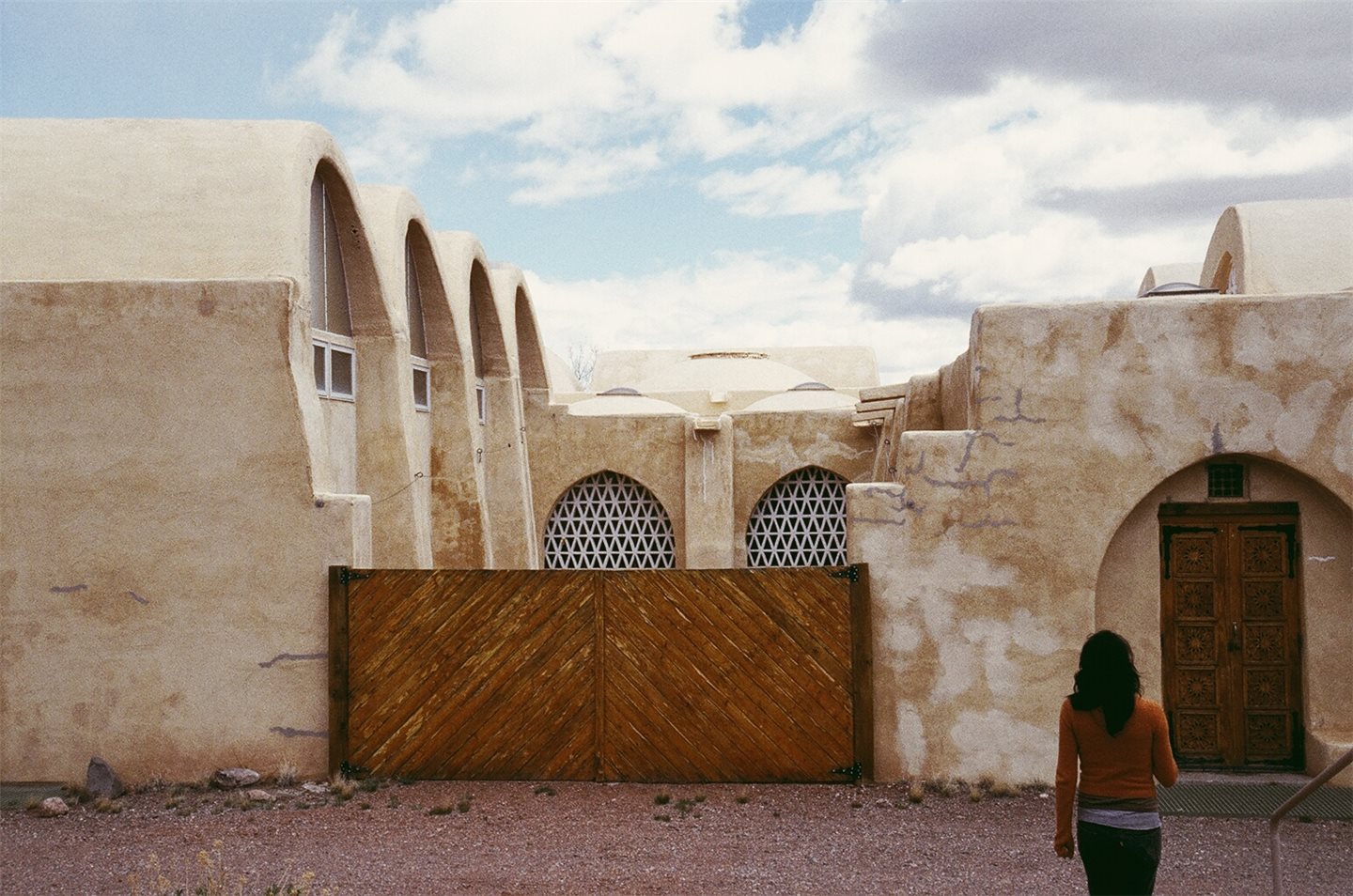
Dar al-Islam and the adobe architecture of Abiquiu
Hassan Fathy’s New Mexico mosque connects Muslim community-building, earthen construction, and a changing vision for life in the American Southwest.
How Syed Rahman's documented business story connects metalwork, home interiors, and Muslim American customers.
A piece of metal calligraphy changes when it leaves a product photograph and enters a room. Its scale competes with the sofa below it, its finish catches a window's light, and its lettering has to remain legible from across the space. Those ordinary interior-design questions help explain the niche Modern Wall Art occupies.
The company's official history dates its beginnings to 2014 and identifies Syed Rahman, also known as Saif, and his father as the people behind the start. It describes a perceived gap between traditional wall decorations and the contemporary Islamic pieces they wanted to make available. A separate interview with Rahman in Voyage Chicago provides a first-person account of his work and business. Company history · Founder interview
The practical challenge of selling wall art begins before production. The seller has to make the object understandable on a screen. A close-up can show an edge or finish, but it cannot establish how the piece fits above a cabinet. A photograph in a room can convey proportion, but it may make an item look larger if the furniture is unusually small. Dimensions and multiple views therefore do real work.
For Arabic calligraphy, there is another layer. Buyers should be able to identify the text and read a supplied translation or explanation. This publication treats the inscription as part of the object's cultural and artistic context. People commissioning or purchasing a piece can ask the maker about the wording, design process, and installation requirements.
In his 2019 Voyage Chicago interview, Rahman describes a gallery and an online business, and explains how making decor for his mother’s home led to interest from others. He explicitly describes his perspective as Muslim. The interview records his own account of customers and the business; it is not an independently audited measure of sales. Founder interview
A physical gallery can let customers see a finish and understand size before they buy. For Muslim American art businesses, such places can also make a contemporary maker visible within a local commercial landscape. The details of any current gallery visit should be checked directly with the business. Historical reporting is useful context, while current hours and availability need a fresh source.
Start by measuring the intended space, including the furniture and nearby doorways. Tape a paper rectangle to the wall to represent the listed dimensions. This simple exercise can expose a mismatch between the imagined size and the available room before an order is placed.
Read the individual listing for weight, material, finish, mounting method, and what hardware is supplied. The company's installation page is an appropriate first stop for its own pieces. Installation instructions need to match both the object and the wall construction. If either is unclear, ask the seller or a qualified installer rather than extrapolating from another product's photographs. Installation information
Keep a copy of the product details and any custom approval. For a personalized piece, compare the final text carefully against the requested spelling. Ask how revisions are handled and at what point the design enters production. That process protects the intention behind the commission as well as the appearance of the finished work.
The example encourages entrepreneurs to examine the circumstances in which their product will live. A wall-art seller needs to understand rooms. A stationery designer needs to understand handwriting, envelopes, and how the item will be mailed. A jewelry maker needs to understand size and wear. The specific use reveals what the listing must explain.
It is also worth distinguishing the maker's public narrative from independent documentation. Both can be useful when their roles are clear. An About page explains how a founder wants the work understood. A reported story can establish an event or place in a broader setting. Product instructions show how the company expects the object to be used.
Modern Wall Art offers a concrete entry into Muslim American commercial creativity. The story runs through family work, materials, customers, and spaces where people live. Looking closely at one object on one wall makes those connections easier to see.
This contribution is domestic as well as commercial. A designed object can make a home feel more personal while giving a maker a reason to solve problems of scale, fabrication, and display. The cultural reference and the practical object deserve attention together. A photograph alone cannot explain either fully.
For a different kind of designed space, explore Dar al-Islam in Abiquiu. For another business working with a familiar object and specific customer needs, read about VELA. Neither example makes Rahman’s work representative of all Muslim taste; they show how many distinct choices belong within American design.
ArtHassan Fathy’s New Mexico mosque connects Muslim community-building, earthen construction, and a changing vision for life in the American Southwest.
Read the Atik sisters' published account of building a scarf brand and responding to customer expectations.
ArtExplore five connected stories: an adobe mosque, contemporary animation, a Houston arts society, wall art, and a California scarf brand.