 History
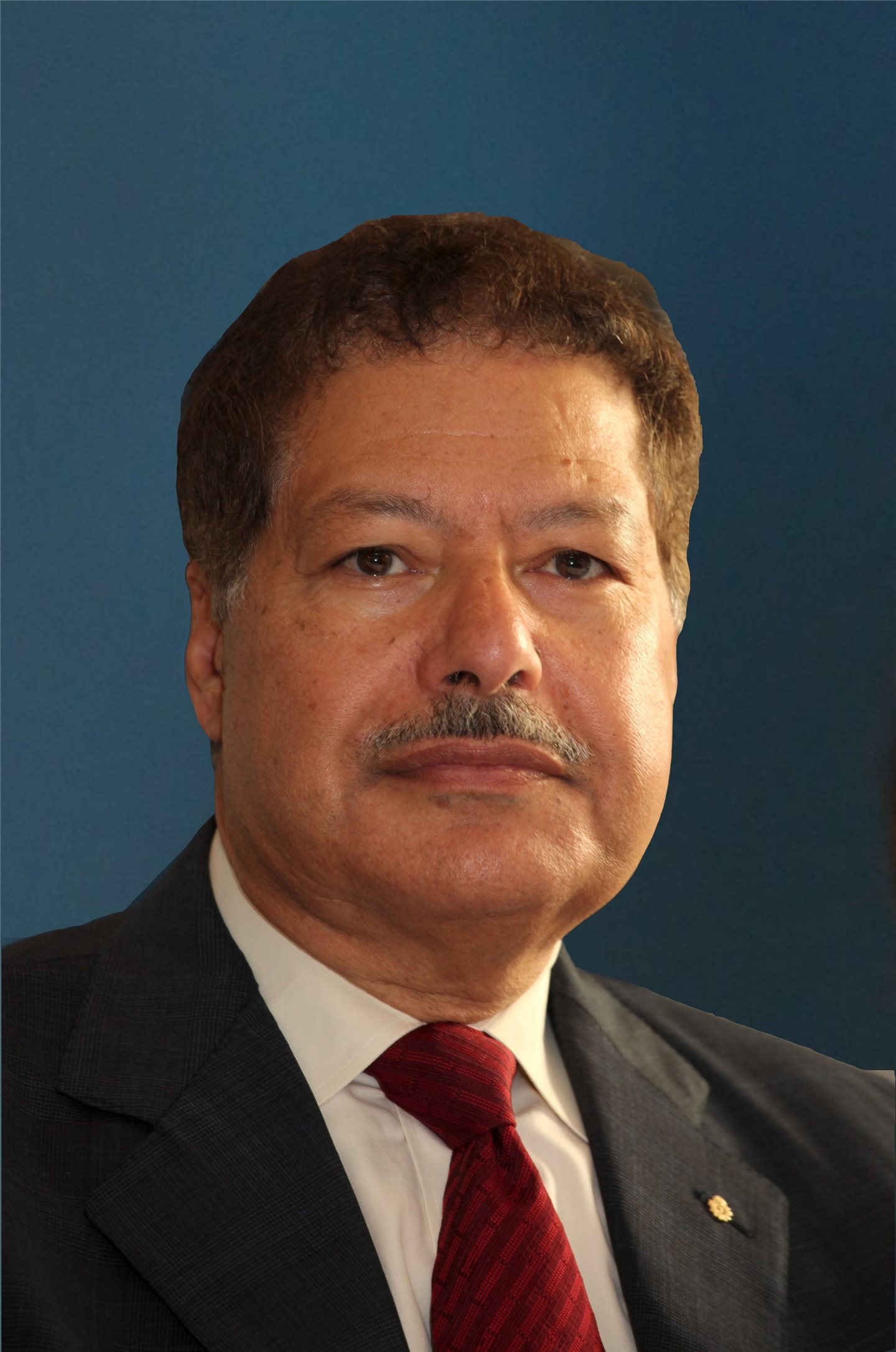
Ahmed Zewail: making chemical change observable
How a Caltech laboratory opened a window onto molecular motion, and why instruments and collaboration matter to the story.
Follow the homesteading families, oral histories, and memorial building at the Assyrian Muslim Cemetery.
Near Ross, North Dakota, a small memorial building and a cemetery preserve the history of Muslim families who settled on the northern plains. The setting expands the familiar map of Muslim America. Alongside major cities and industrial neighborhoods, the record includes farms, peddling routes, homesteads, and families maintaining ties across a sparsely populated region.
The site is known as the Assyrian Muslim Cemetery. Its historical name should be retained when searching catalogs and local records. Descriptions of the founding families also use Syrian and Lebanese, reflecting the geography and terminology of different periods.
Prairie Public’s account, produced in partnership with the State Historical Society of North Dakota, identifies Mary Juma and her husband Hasson among the early settlers around Ross. They had traveled as peddlers before establishing themselves in the area around 1901. Variants of Hasson’s name appear in the record, an ordinary complication when tracing families through newspapers and interviews.
The community existed before its mosque. People gathered in homes, sustained relationships, and arranged religious life with the resources available to them. Harvard’s Pluralism Project places such domestic gatherings within the wider history of early American Muslim communities.
This sequence matters because a building can become so prominent in a heritage story that the work preceding it disappears. Land, travel, household hospitality, and family cooperation helped make a congregation possible. The mosque made those relationships visible in a new way.
A March 1929 newspaper report described plans to acquire cemetery land and construct a modest mosque. The cemetery linked the community’s religious life to a permanent place of burial. It also established a relationship between generations that later preservation efforts would maintain.
The original mosque eventually deteriorated and was dismantled. The small building visitors associate with the site today is a later memorial structure, completed in 2005. An accurate caption should distinguish the original mosque from the commemorative building. The two belong to the same history while representing different moments.
The Association of Religion Data Archives describes the earlier mosque as a modest space heated by a coal stove and served by visiting religious leaders. These details offer a more concrete understanding than a broad claim about pioneering spirit. They show the practical arrangements that made communal life work.
Mary Juma's story also records the responsibilities that fell to women in this small community. She was widowed in 1917, years before the mosque project. Her later interview preserved a settler's account of travel and family life, while Charlie Juma's bicentennial-era testimony carried the history into another generation. Prairie Public's cemetery history identifies these archival connections. The 2005 memorial's compact dimensions, approximately seventeen feet square, make clear that remembrance did not require reconstructing a large congregational complex.
The site’s history survives partly through oral testimony. Prairie Public points to Mary Juma’s account recorded in the 1930s and a later bicentennial interview with her son Charlie. Those records let readers trace how the story was told by different generations.
An oral history contains more than a sequence of dates. It preserves a speaker’s emphasis, vocabulary, and remembered relationships. Listening alongside a transcript can reveal pauses or shifts in tone that a short historical summary removes.
At the same time, recollection should be compared with other records. Newspaper reports, land documents, cemetery inscriptions, and family photographs can help establish when an event occurred and how it was understood at the time. Differences between accounts are useful questions for research rather than reasons to discard family memory.
Treat the cemetery as a burial place first. Use current local guidance before traveling, and avoid assuming that a memorial building offers regular staffed opening hours. Roads, weather, access arrangements, and the availability of a local host should be checked close to the visit.
Photograph the site with care. Wide views and the building’s exterior may help explain the setting, while identifiable graves deserve particular consideration. Do not move objects or enter restricted areas to obtain a better picture.
A thoughtful account can include the prairie landscape, the cemetery’s historical name, an archival image of the earlier building if permitted, and a clearly dated photograph of the memorial. Together these show continuity and change without making the current structure stand in for its predecessor.
Claims about the country’s “first mosque” vary because sources use different definitions. Ross is especially valuable when described through its documented local history. The families, cemetery, original gathering space, and later memorial reveal a durable Muslim presence in a place many readers would never think to look.
HistoryHow a Caltech laboratory opened a window onto molecular motion, and why instruments and collaboration matter to the story.
 History
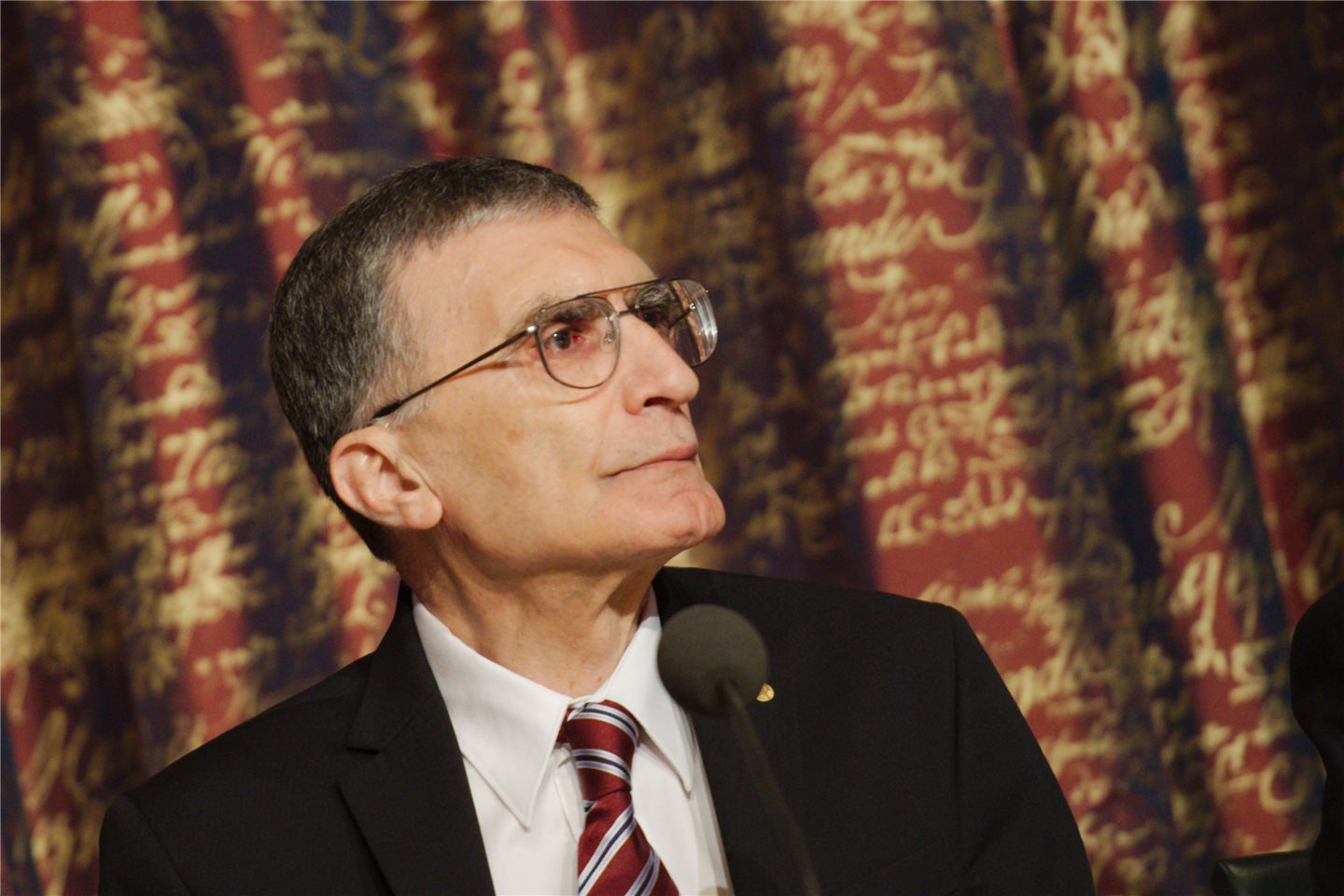
A North Carolina research career reveals how basic science, teaching, and cultural exchange can reinforce one another.
A New Jersey congregation’s zoning dispute produced permission to build and changes to local religious-land-use procedures.