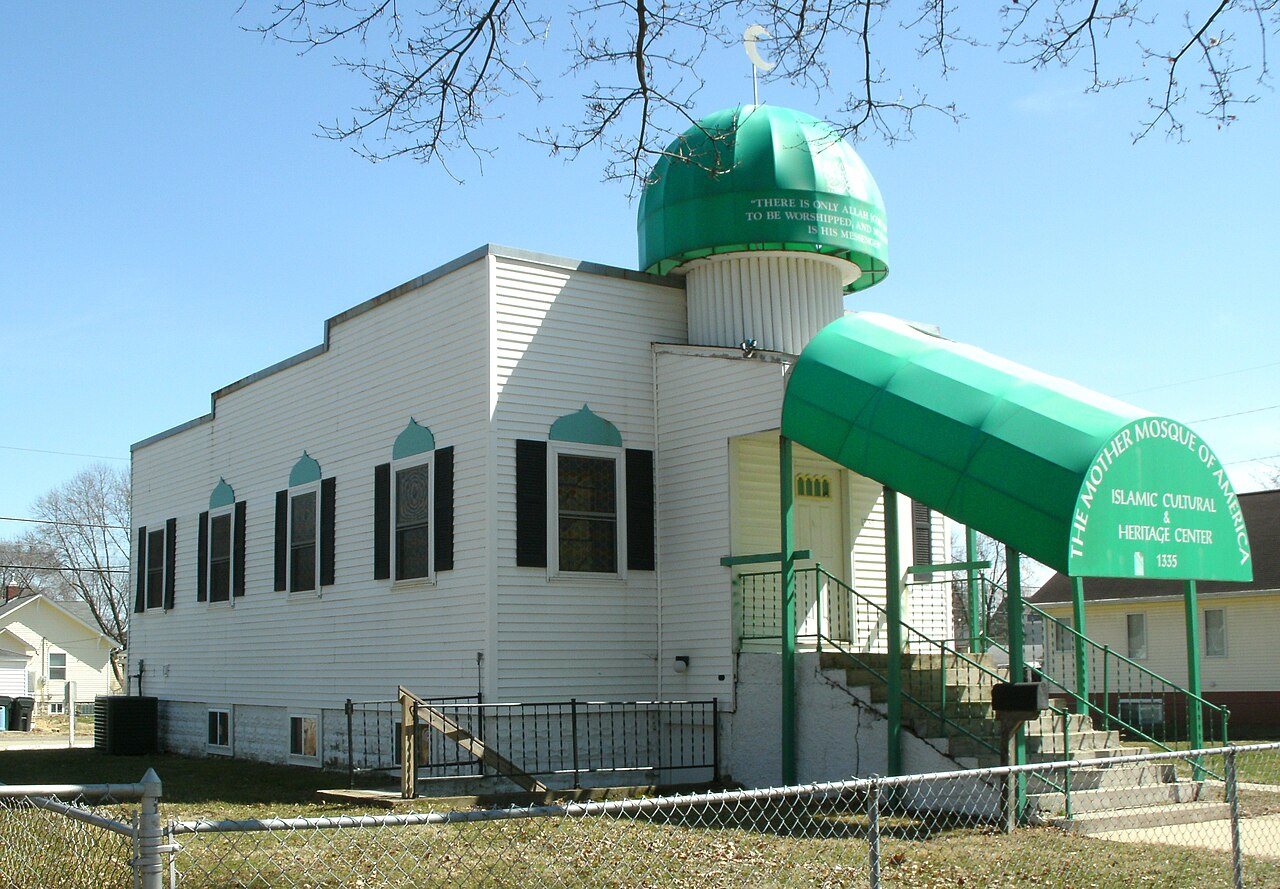
 History
Muslim roots in American history
Five routes into Muslim American history through manuscripts, community institutions, migration, and the work of preserving public memory.
A practical starting point for finding museum objects, oral histories, and community archives without confusing access with permission.
A family photograph, a recorded conversation, and a museum object answer different questions about the past. Put them beside one another and a history can become more specific: who lived in a place, what they carried, how they described their work, and which memories they wanted to preserve. Researching Muslim American life begins with choosing a question small enough for the available evidence.
For a first project, try one institution, one family connection, or one object. “How did this community establish a school?” gives you a clearer search than “the history of Muslims in America.” Keep the larger question in view, but build the account from records you can identify and revisit.
The National Museum of African American History and Culture introduces Muslim material culture through named objects and owners. Its examples include a handmade fez worn by Imam W.D. Mohammed, a prayer rug used by Imam Derrick Amin, and a copy of The Meaning of the Holy Qur’an signed by Muhammad Ali. These offer different entry points into clothing, personal use, and the relationship between public figures and books.
Treat the museum story as a route into the catalog. Record an object's title, date, owner, donor, and collection identifier where supplied. Separate a date assigned to the object from the date it entered the collection. If a label gives only an approximate date, keep that uncertainty in your notes.
Do not assume that an object shown online is on display during your visit. The museum explicitly points readers toward its collection portal for material beyond the galleries. Follow current visitor information separately from your historical research.
An interview can explain why an ordinary object mattered to its owner. In a 2018 account for Oral History Review, Muslim American Leadership Alliance cofounder Zainab Zeb Khan describes the organization's storytelling work and its partnership with StoryCorps. She reports that collected interviews are archived at the Library of Congress's American Folklife Center.
This is an account by the project's own cofounder. Use it to understand the project's intentions and reported arrangements; do not treat its aspirations as an independent evaluation of its impact. Its publication date also matters when following links or looking for current participation opportunities.
When listening, note the speaker, interviewer, recording date, and timestamp. Distinguish what the speaker witnessed from what they heard from someone else. A recollection can be valuable even when it leaves a date uncertain. Your written account should preserve that distinction rather than silently converting a remembered sequence into a precise chronology.
Arizona State University's Global Muslim Digital Repository brings several kinds of material into one starting point. Its page lists the Lenses of Belonging photography collection, journalistic papers, oral histories, and an Islamic Horizons archive covering 2001–2022. Its scope includes the United States and other parts of the world, so check the place associated with each item.
A magazine can help you find the name of an organization, an event, or a person to investigate next. A photograph may supply a location or a caption worth following. Neither should become proof of every claim made in the surrounding article. Save the individual item record as well as the collection homepage.
Create a note for each useful item with five fields: what it is, who created it, when it was created, where you found it, and what it supports. Add a sixth field for questions it leaves unanswered. This is a suggested working method, not a description of any institution's catalog rules.
For example, an event program might establish that a speaker was advertised. It does not by itself establish that the speaker attended. A photograph can document the people visible in its frame, but a name or religious identity still needs a reliable identification. Write the smallest claim the evidence supports.
Keep access and reuse separate. A page you can read freely is not automatically a photograph you can republish. Check the individual item's rights statement before using an image in a school display, business project, or website. If the terms remain unclear, link to the item while you investigate.
Finish a first research session with a short source list and three unanswered questions. That is more useful than a polished narrative that hides its gaps. For an example of following a named document through competing interpretations, continue with Omar ibn Said's autobiography.
The value of this work extends beyond the family or organization donating a record. A cataloged document can be located by a teacher in another state; a carefully described photograph can correct a mistaken date; an interview can preserve an explanation that would otherwise disappear. These are modest, concrete benefits, and they do not require an archive to claim that it represents every Muslim American.
A useful contribution begins with context. Keep the envelope with the letter, record who identified a person in a photograph, and distinguish a remembered year from a date printed on the object. Before publishing a living person's story, discuss consent and restrictions with the repository. Public access and responsible stewardship belong together. This page connects the surviving documents in early African Muslim history with the ongoing work of understanding Muslim roots in America.
HistoryFive routes into Muslim American history through manuscripts, community institutions, migration, and the work of preserving public memory.
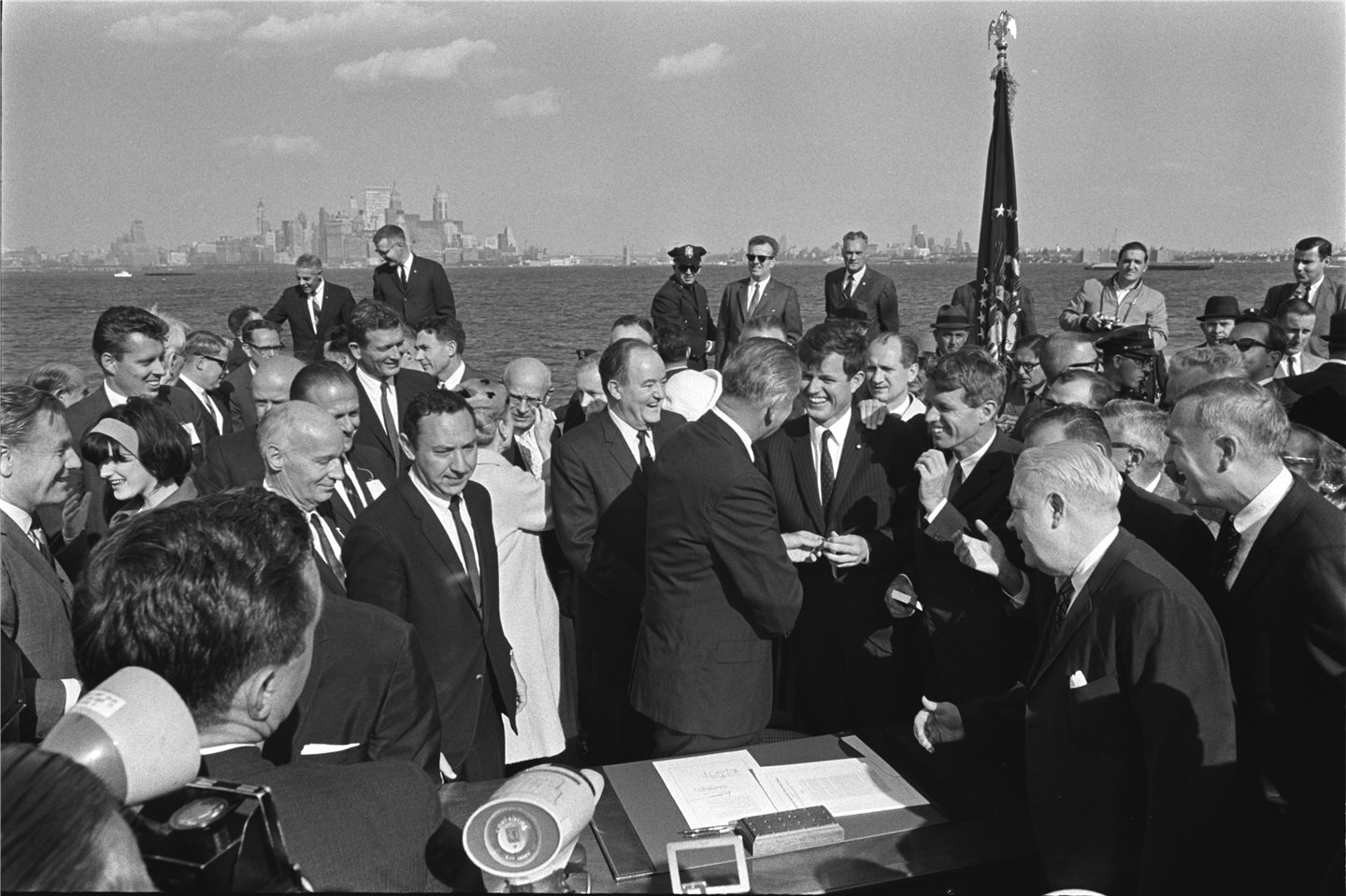 History
Family reunification, professional migration, and institutions that grew across generations.
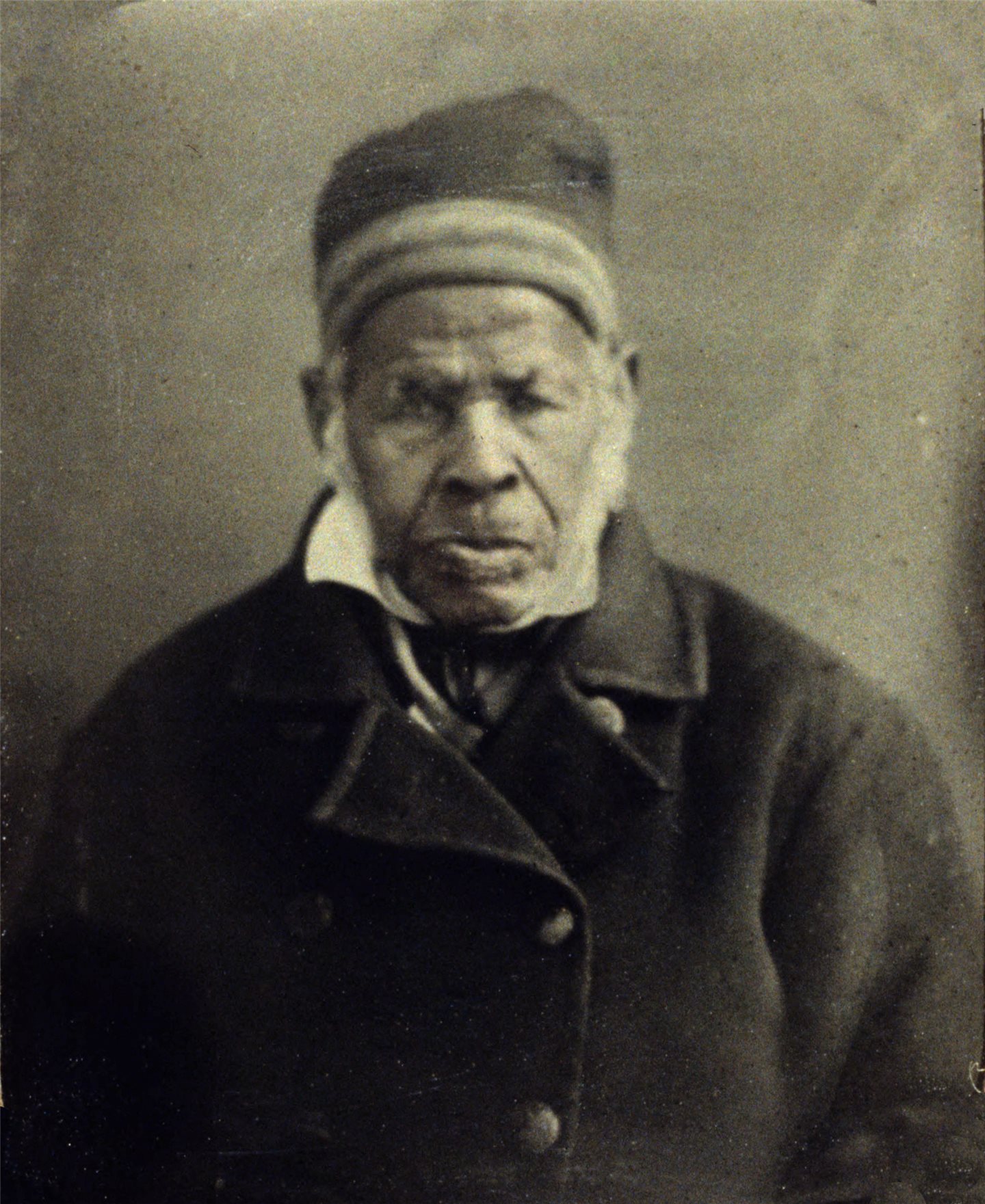 History
The West African lives and American experiences behind surviving manuscripts and family memories.