
Preserving Muslim American history for the public
A practical starting point for finding museum objects, oral histories, and community archives without confusing access with permission.
Read Omar ibn Said’s 1831 manuscript alongside its translations and North Carolina history.
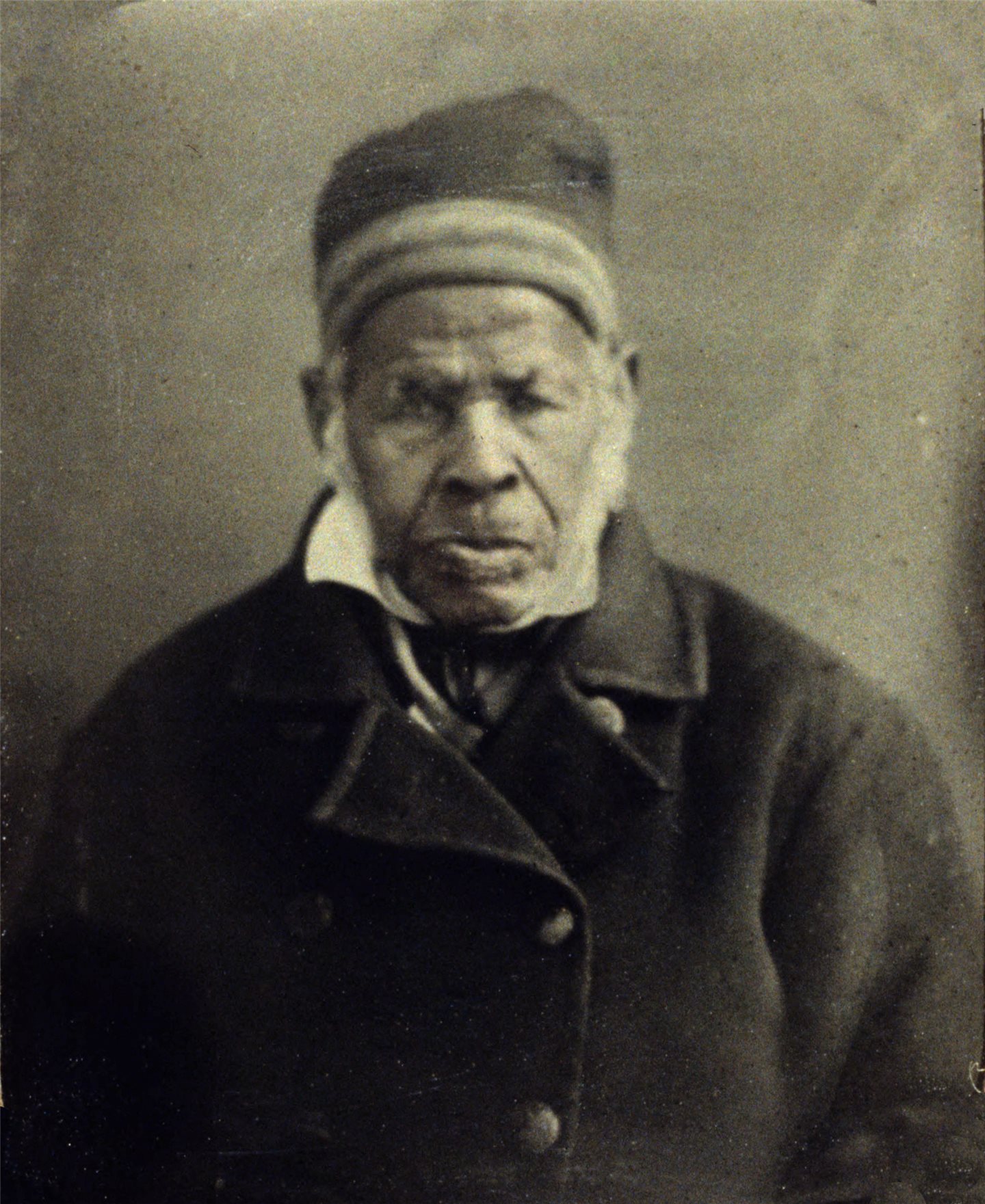
Omar ibn Said's life in America began after a lifetime of learning. Born around 1770 in Futa Toro, in present-day Senegal, he had studied Islamic texts and Arabic before an army captured him and sold him into the Atlantic slave trade. He was about thirty-seven when he reached Charleston in 1807. Twenty-four years later, still enslaved, he wrote the Arabic autobiography that now makes his voice accessible to readers around the world.
The Library of Congress's account of its collection identifies the 1831 manuscript as the only known surviving Arabic autobiography written by an enslaved person in the United States. Its fifteen pages are therefore an extraordinary American document. They also belong to a West African intellectual history that began long before the author crossed the Atlantic.
Ibn Said described a life of study, teaching, and commerce. His education included Quranic learning and Arabic literacy. The American Academy of Arts and Sciences biography places him within the Fula scholarly world of Futa Toro.
This background changes the meaning of the manuscript. An English-speaking observer might have encountered an enslaved man whose writing seemed mysterious. Ibn Said understood himself through teachers, texts, places, and relationships that preceded that encounter. His capacity to write did not originate with the Americans who took an interest in him.
The autobiography recalls the violence that broke those connections. Its account of an invading army, deaths, capture, and sale is brief. That brevity should not make the rupture seem small. A few sentences contain the loss of a homeland and the beginning of decades in captivity.
After his arrival in Charleston, Ibn Said was forced into labor under successive enslavers. He eventually escaped and traveled north on foot. In 1810 he reached Fayetteville, North Carolina, where he was jailed as a fugitive.
During his imprisonment he used coal to write Arabic prayers on the cell walls. His literacy attracted attention, and James Owen of Bladen County purchased him. The North Carolina Department of Natural and Cultural Resources documents these events and the later connections between the Owen household, Fayetteville, and Wilmington.
The jail episode reveals a stark contradiction. Writing made Ibn Said visible as an educated person, but visibility did not give him control over his life. His movement from jail to a plantation was still arranged through purchase. Curiosity about his knowledge coexisted with acceptance of his enslavement.
The 1831 autobiography opens with material from Surah al-Mulk, a Quranic chapter concerned with divine sovereignty. This beginning places religious language before the chronological account of his life. It is a deliberate feature of the text, rather than decoration surrounding the “real” story.
Scholar Akel Kahera's study of Ibn Said's Arabic literacy interprets this language as a challenge to the idea that a human enslaver could exercise ultimate dominion over another person. That is a scholarly reading, not a claim that every passage has only one possible meaning. It shows why the religious structure of the manuscript matters to its account of captivity.
The text joins personal recollection with a wider moral universe. Its author was describing his circumstances in a language many people around him could not read. The result allowed meanings to survive that English summaries could flatten or miss.
Ibn Said joined the Owens' Presbyterian church in Fayetteville in 1820. Nineteenth-century accounts often presented him as a successful Christian convert. Yet his surviving Arabic writings continued to include Quranic passages and references that complicate that public narrative.
His religious identity cannot be reduced to an easy verdict based on the expectations of his enslavers. Church membership is documented; so is the persistence of Islamic language. The tension between those records has become a central subject of modern scholarship.
He moved with the Owen household to Wilmington in 1835 and became the subject of further public attention. Newspaper descriptions sometimes repeated the inaccurate idea that he was an Arabian prince. Such labels made him seem exceptional while obscuring the specific West African society from which he came.
The autobiography survived a complicated journey through private ownership before entering the Library of Congress. The Library's digital story map connects his places of residence with the documents that preserve his story.
Sources differ over whether Ibn Said died in 1863 or 1864; North Carolina's historical account cites contemporary obituaries supporting 1863. What is clear is that his celebrity did not end his enslavement.
His manuscript now changes the terms of that celebrity. Instead of appearing only as a person described by owners, visitors, and newspaper writers, he can be encountered as an author. His Arabic pages place an African Muslim's education, memories, and interpretation of captivity within the center of American history.
A practical starting point for finding museum objects, oral histories, and community archives without confusing access with permission.