


 History
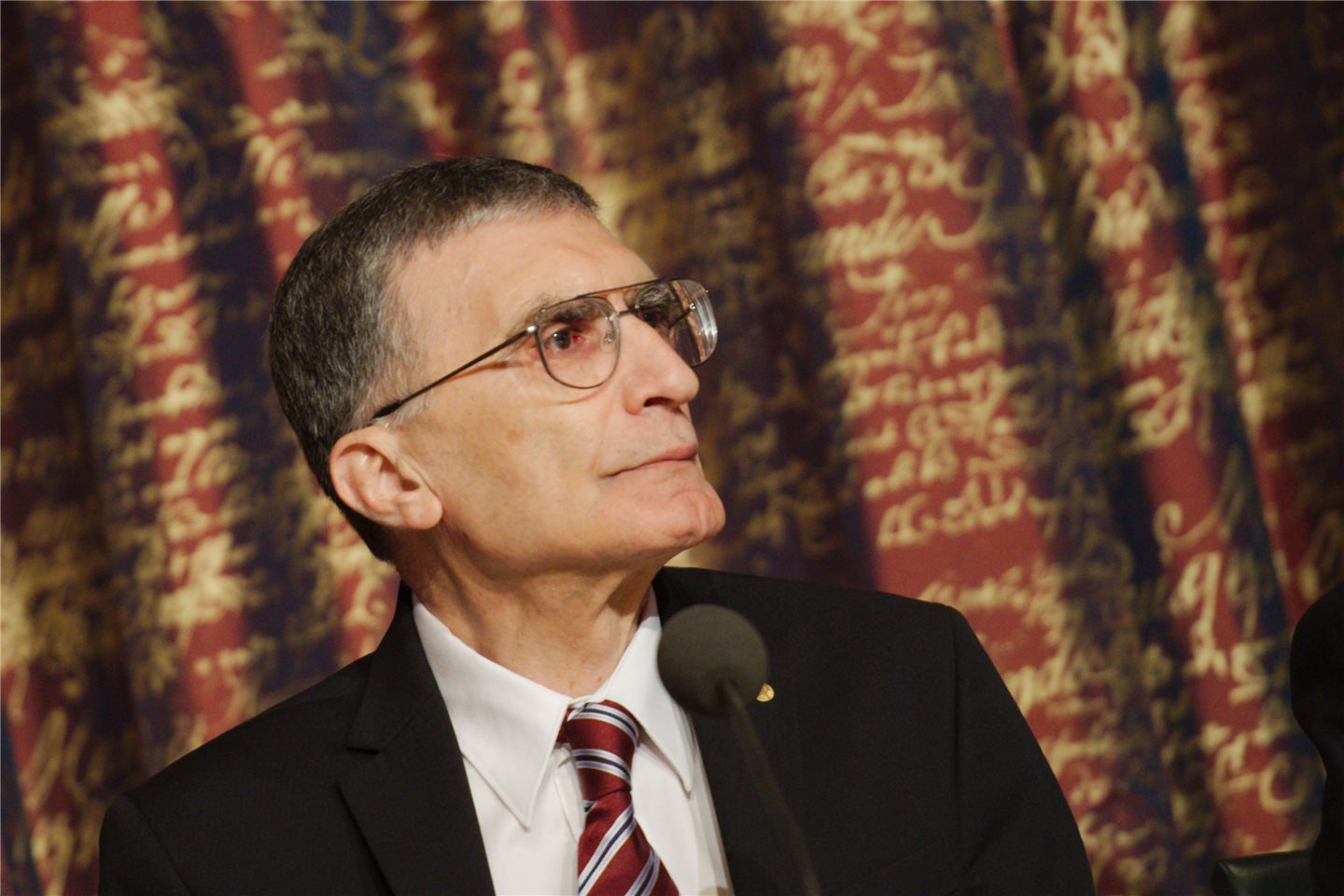
Ahmed Zewail: making chemical change observable
How a Caltech laboratory opened a window onto molecular motion, and why instruments and collaboration matter to the story.
Explore the architecture, diplomatic setting, and archival record of Washington’s Islamic Center.
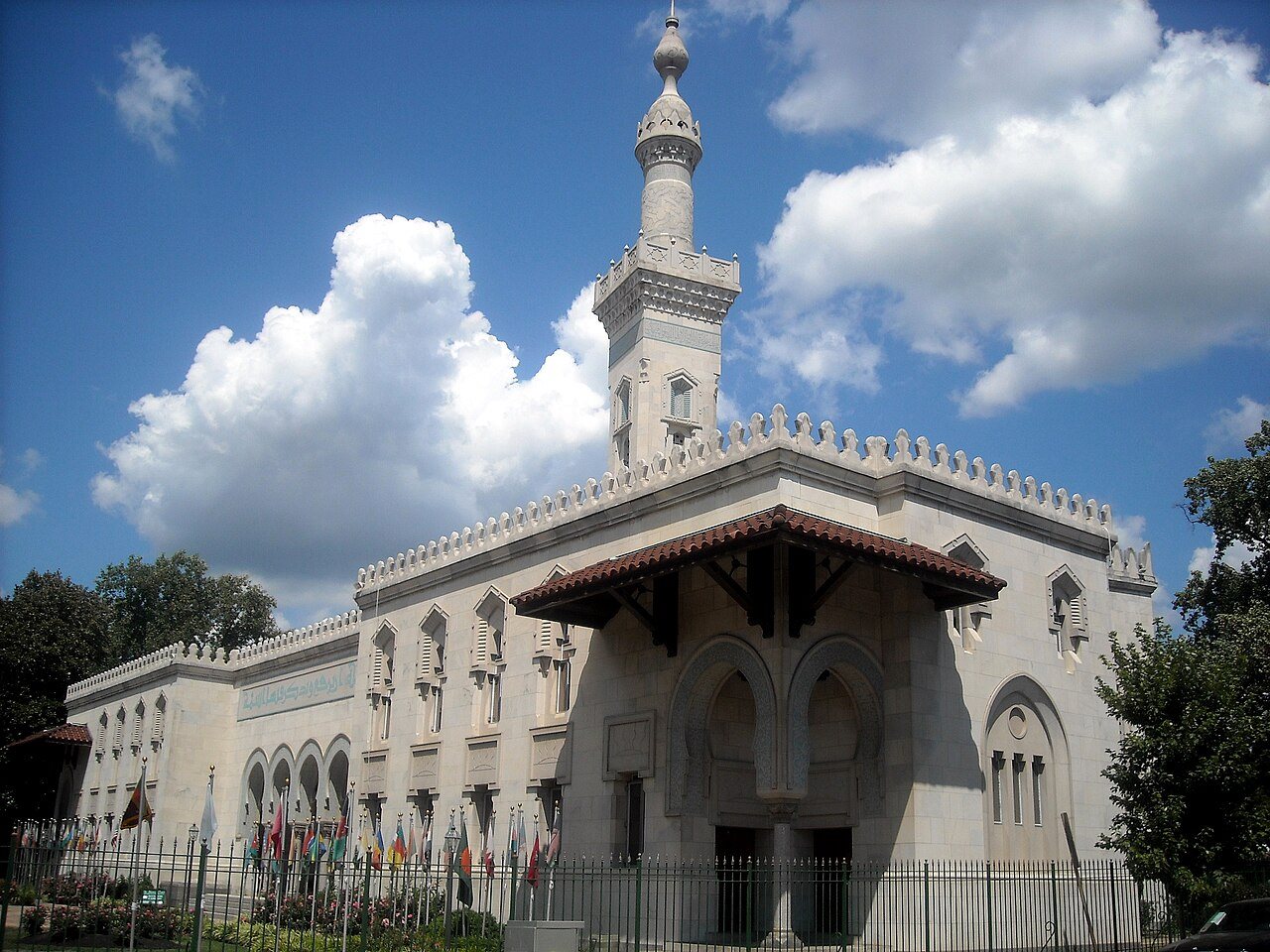
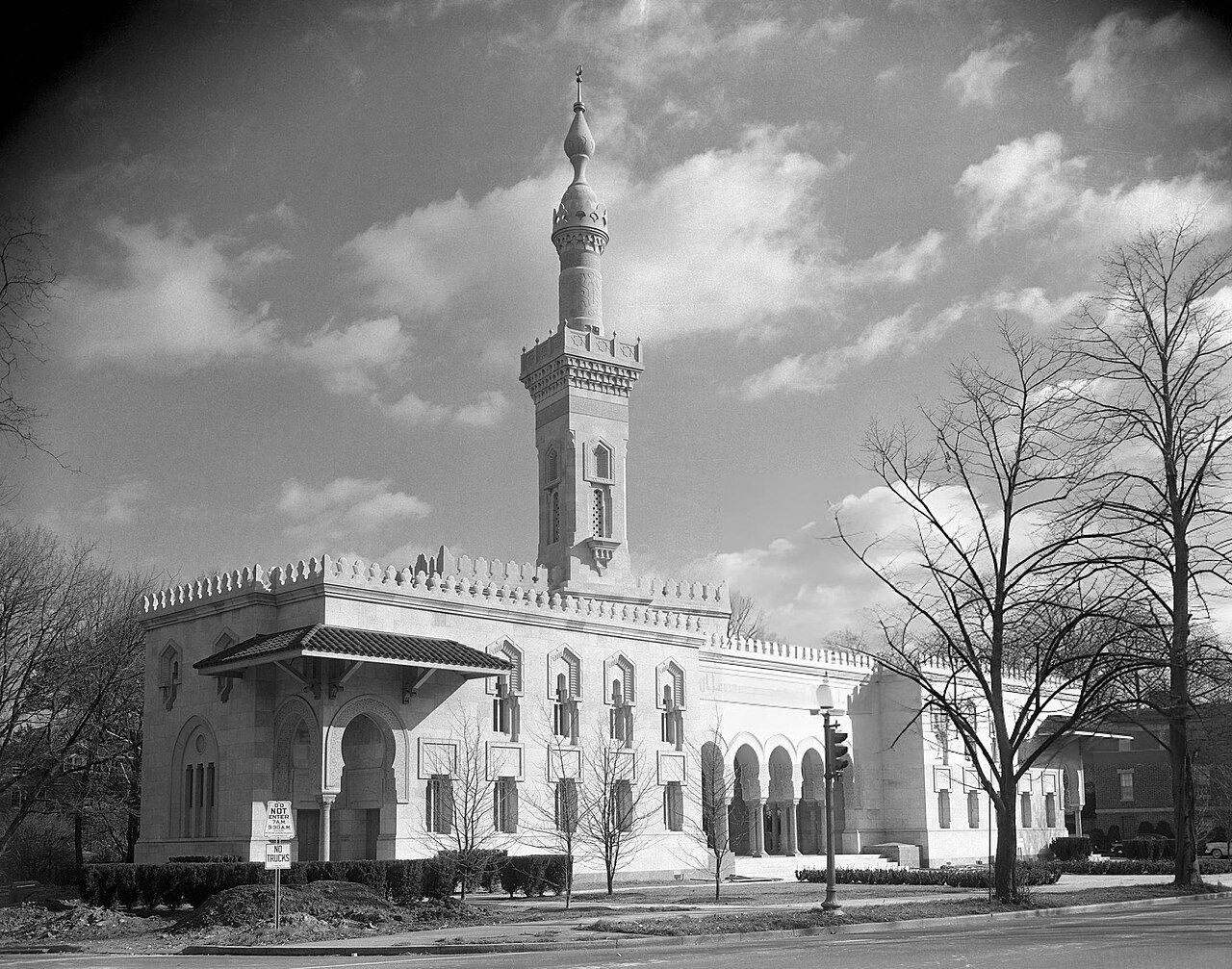
On June 28, 1957, President Dwight D. Eisenhower spoke at the dedication of the Islamic Center of Washington. The ceremony placed a Muslim institution within the public life of the nation’s capital and produced a record that can still be explored through presidential archives, architectural documentation, and the center’s own history.
The building’s minaret makes it a recognizable feature of Massachusetts Avenue. Its setting among diplomatic institutions is part of the story. The center developed through international relationships while becoming a place used by people living in and visiting Washington.
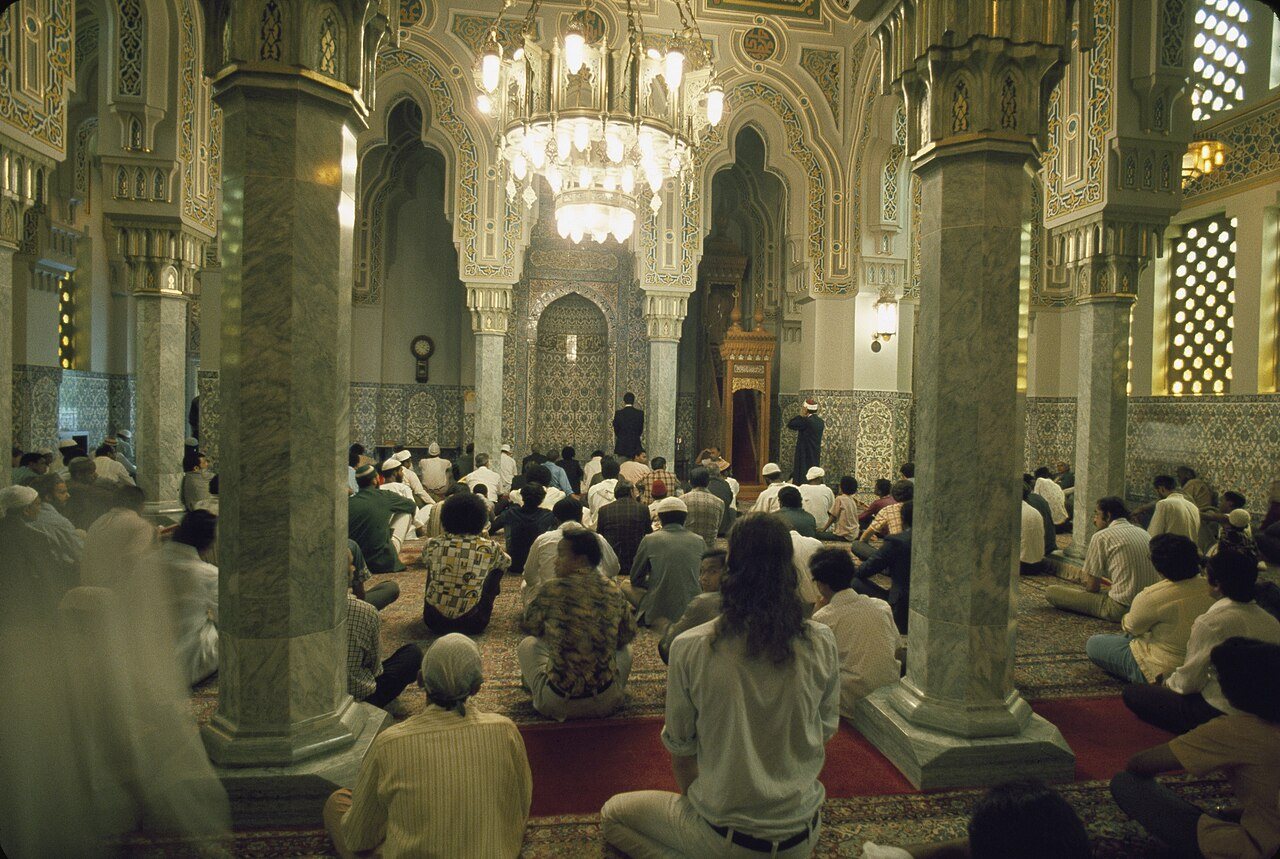
The center's founding history dates the initial discussions to November 1944 and the land purchase to April 30, 1946. A cornerstone followed in January 1949. Italian architect Mario Rossi designed the building, drawing on his experience with mosques in Egypt. Its interior material history crossed borders: Egypt supplied a bronze chandelier and specialists for the inscriptions, Turkey supplied tiles and installers, and Iran supplied rugs. The building's international character was therefore visible in its craftsmanship as well as in the diplomatic relationships behind its funding.
The official history describes a center intended to support worship, learning, and better understanding. Architectural documentation identifies a complex that includes space for a library, museum, and offices alongside the mosque. These functions help explain why “center” is a meaningful part of its name.
The Society of Architectural Historians places the construction within the years 1949–1957. That span is useful when comparing sources that attach different dates to individual stages of the project. Planning, construction, completion, and public dedication can each produce a date that appears in later accounts.
An architectural visit should consider how these functions relate spatially. The prayer hall, courtyard, circulation, and surrounding rooms were assembled into a place meant to accommodate different kinds of activity. Looking at those relationships can reveal more than photographing the minaret alone.
The White House Historical Association records Eisenhower’s participation and the substance of his remarks about the center’s welcome in American public life. His speech is a historical document that reflects the occasion and its political setting.
Read the remarks alongside the center’s account of its founding. The presidential perspective emphasizes national symbolism, while the institutional perspective explains the work that brought the building into existence. Both contribute to the story, and neither fully represents the experiences of every person who used the center.
The Eisenhower Presidential Library provides a subject guide directing researchers to relevant files. Such a guide is especially useful because it identifies record groups and boxes rather than offering only a short summary. A researcher can follow it toward correspondence, planning material, and documentation surrounding the visit.
The dedication survives in multiple media. News footage, photographs, speeches, and architectural records each capture a different aspect of the event and building. A photograph can show the arrangement of a crowd or the appearance of the site, while a written speech preserves the language prepared for the occasion.
The Library of Congress also maintains a research guide to the center’s library. It describes a multilingual collection concerned with Islam, history, culture, and related subjects. Confirm current access directly with the institution before planning research, because a guide’s holdings description does not guarantee unrestricted walk-in use.
A strong illustrated account might pair an architectural exterior, a historic dedication image, a plan or measured drawing, and a detail of the interior. Each image needs its own date and credit. The same building can look different across decades, and later photographs should not be presented as if they document the original ceremony.
Check the center’s official website for current visitor arrangements and contact information. Ask ahead about group visits, accessibility, photography, and any areas available for public viewing. Its continuing use as a religious institution should shape how a visit is planned.
Outside, notice the relationship between the vertical minaret and the lower spaces of the complex. Inside, where access is permitted, look for how materials, ornament, and room proportions guide attention. Architectural details can be discussed as design and craftsmanship without turning the visit into a judgment about religious practice.
The center also provides a useful comparison with smaller early American mosques. A prairie congregation, an adapted urban building, and a diplomatic-era capital landmark emerged through different resources and circumstances. Their differences are part of the history.
Washington’s Islamic Center makes a national story visible in one location. The 1957 ceremony remains an important milestone, but the institution’s significance also lies in the planning, learning, and everyday community use that surround that public moment.
HistoryHow a Caltech laboratory opened a window onto molecular motion, and why instruments and collaboration matter to the story.
 History
A North Carolina research career reveals how basic science, teaching, and cultural exchange can reinforce one another.
A New Jersey congregation’s zoning dispute produced permission to build and changes to local religious-land-use procedures.