 History
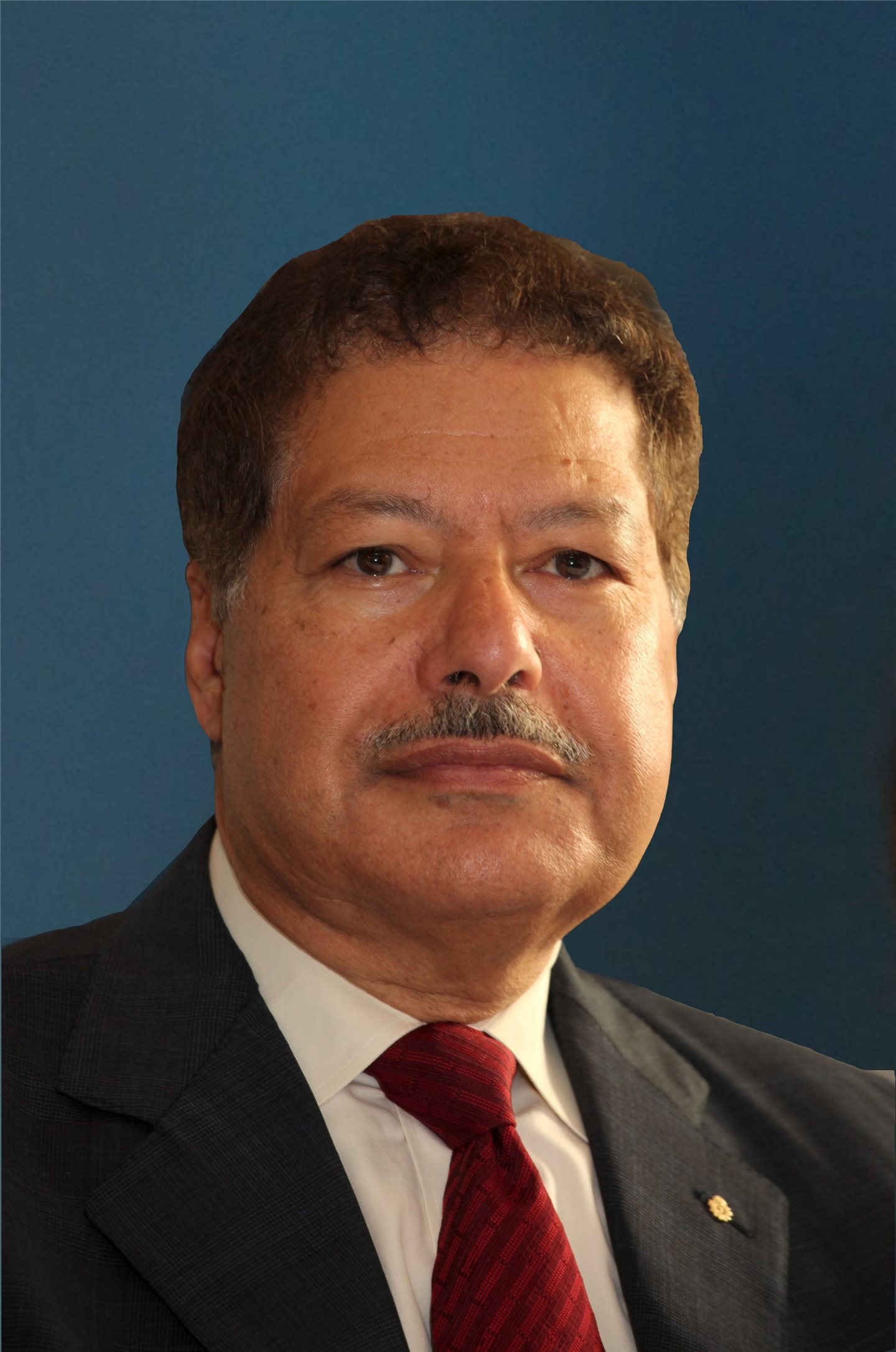
Ahmed Zewail: making chemical change observable
How a Caltech laboratory opened a window onto molecular motion, and why instruments and collaboration matter to the story.
From meetings in a cleaner's shop to a congregation preserving its own history.
The history of Nur-Allah Islamic Center begins with people gathering in modest spaces, long before the congregation had its present name. In the 1950s, members of the Nation of Islam in Indianapolis met at Bradshaw Cleaners. The setting is a reminder that religious institutions often begin inside the working life of a neighborhood: a business can become a meeting place before a dedicated religious building is possible.
By the early 1960s, the community was meeting near 29th Street and Clifton Street. It later became known as Muhammad's Temple No. 74. The Encyclopedia of Indianapolis entry written by Imam Michael Saahir follows these changes through leaders, addresses, and institutional names.
The congregation's early history included a profound loss when its leader Daniel 2X Green was murdered in December 1971. Jasper X succeeded him and led the community through the period immediately preceding the national changes of 1975. These local events deserve attention alongside the better-known biographies of national figures.
After Elijah Muhammad's death, Warith Deen Mohammed led a major transition among communities associated with his father's organization. Indianapolis participated in that movement toward Sunni Muslim practice and a changed understanding of religious and civic identity. The story unfolded through local people who had to sustain relationships while altering institutional language and routines.
A national transition can sound instantaneous when reduced to a date. In a congregation, it involves repeated decisions: what to call the institution, how to teach children, how to explain changes to relatives, and how to organize public life. Indianapolis provides a local scale at which those larger developments become easier to understand.
From 1986 until 1996, the congregation used the name Daniel Mohammed Islamic Center, preserving the memory of its earlier leader. In 1997 it adopted the name Nur-Allah Islamic Center. The sequence records both continuity and change: people maintained a community while the institution's public identity evolved.
Addresses tell another part of the story. The congregation occupied a building at 2040 East 46th Street beginning in 1992 and remained there for twenty-eight years. In 2020 it purchased a former dental office on a larger property on Mitthoeffer Road. The congregation's own account provides its perspective on this development.
Adaptive reuse is a recurring feature of Muslim American architecture. A cleaner's shop, a neighborhood meeting room, and a former professional office may not resemble the monumental mosque images familiar from travel books. Yet these spaces can hold decades of religious instruction, meals, organizing, and family memories. Their significance comes from use as much as design.
The Indianapolis Imam W. Deen Muhammad Community digital collection brings another kind of evidence into view. Created through collaboration with community members and university partners, it includes photographs, documents, and material connected to everyday institutional life. The IU Indianapolis collection allows readers to encounter people and objects beyond a short chronology.
Historian Edward Curtis's account of the archive's publication describes a collection of more than a thousand items, including three-dimensional representations of clothing and other objects. Such material can reveal changes that a list of leaders cannot: the appearance of a uniform, the layout of a newsletter, or the way a family posed for a photograph.
The community's involvement matters. Families hold knowledge that may never have entered a public archive. They can identify a person in an image, explain why a gathering mattered, or recognize an item that an outside cataloger would misunderstand. Preserving those accounts makes the historical record more precise.
Nur-Allah also belongs to the civic history of Indianapolis. The encyclopedia connects its membership and leadership with public service and local engagement. A mosque's history therefore extends beyond its worship space into workplaces, neighborhood organizations, and political life.
This local perspective changes the scale of American Muslim history. Instead of moving only between nationally famous leaders, it follows the people who kept an institution functioning through bereavement, relocation, and religious change. Their work gave national ideas a durable local form.
For readers exploring the Midwest, Indianapolis offers a particularly useful pairing: an active congregation with a documented institutional history, and a digital archive built with community participation. Together they show how a Muslim American community can preserve its past while continuing to make new history in the same city.
HistoryHow a Caltech laboratory opened a window onto molecular motion, and why instruments and collaboration matter to the story.
 History
A North Carolina research career reveals how basic science, teaching, and cultural exchange can reinforce one another.
A New Jersey congregation’s zoning dispute produced permission to build and changes to local religious-land-use procedures.