 History
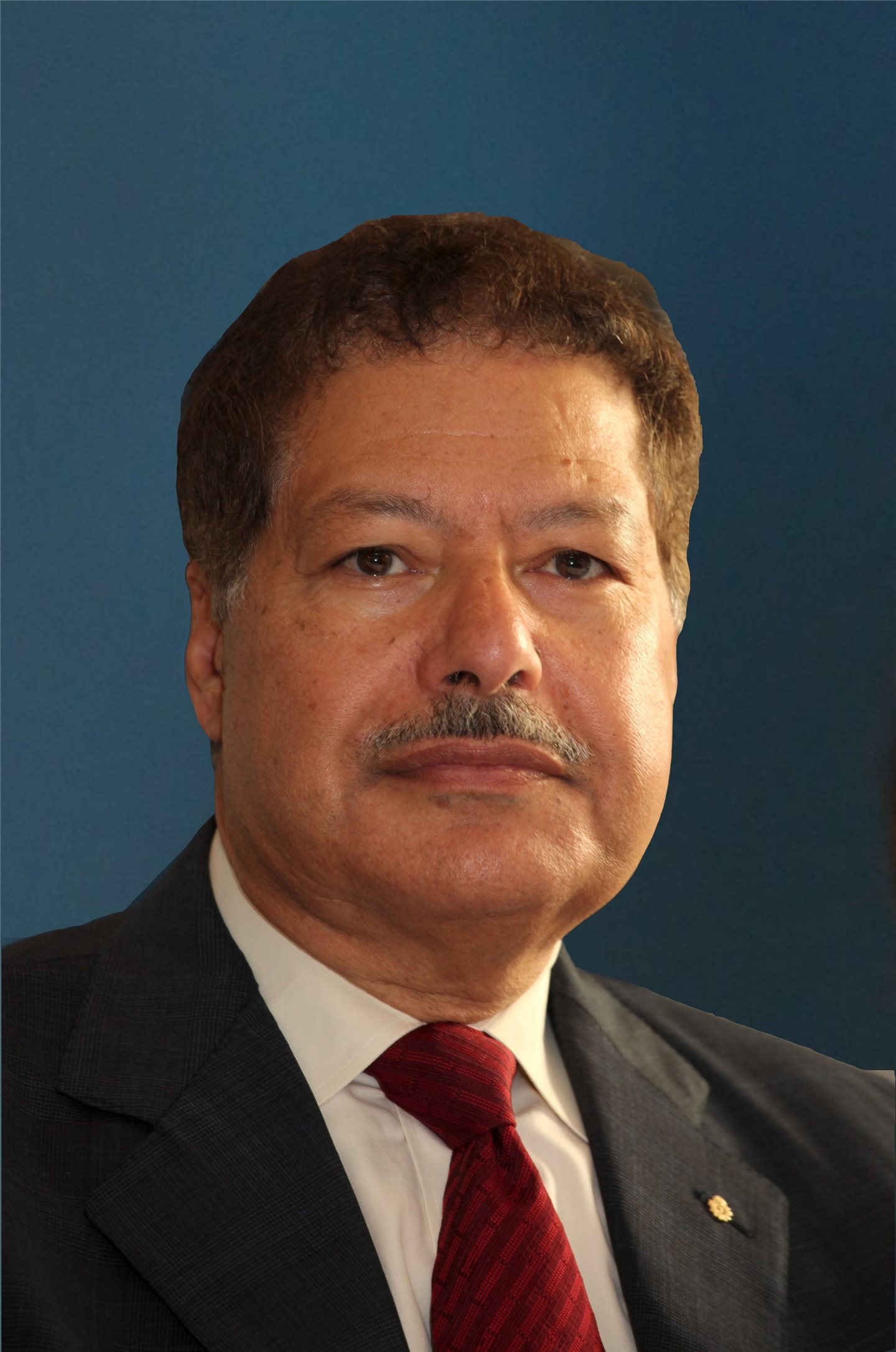
Ahmed Zewail: making chemical change observable
How a Caltech laboratory opened a window onto molecular motion, and why instruments and collaboration matter to the story.
Explore the former Workmen’s Circle building that became Temple No. 1 and later Masjid Wali Muhammad.
At Linwood and Burlingame in Detroit, a red-brick building holds several layers of community history. Constructed in 1940 for the Workmen’s Circle, a Jewish labor fraternity, it later became the Nation of Islam’s Temple No. 1 and then Masjid Wali Muhammad. Its significance lies in those successive uses and the people who adapted an existing community space to new needs.
The City of Detroit’s historic designation report identifies the address as 11529 Linwood and describes the site in relation to nearby neighborhoods and the Roosevelt School Complex. The building’s history begins with an organization that had its own educational, cultural, and mutual-support purposes before the mosque occupied it. City historic report
The Workmen’s Circle eventually outgrew the facility. The Nation of Islam adapted it for its congregation, bringing a different institutional life into the same structure. Visit Detroit dates that move to 1959. The visible building therefore predates its use as a Muslim institution. Visit Detroit
That sequence is a familiar feature of American urban history. Congregations and associations often inherit rooms shaped by earlier organizations. Existing assembly areas, offices, classrooms, and neighborhood access can make a building useful long after its first occupants leave.
The name Temple No. 1 connects the property to Detroit’s central place in the Nation of Islam’s history. Yet the organization’s Detroit beginnings and its later occupation of this particular building are separate dates. Keeping them distinct prevents a heritage account from assigning the structure a history it did not physically witness.
After Elijah Muhammad’s death, much of the congregation followed the leadership of Warith Deen Mohammed and moved toward Sunni Islam. The building was renamed Masjid Wali Muhammad. Detroit’s report treats that transition as part of the site’s historical significance. City historic report
The mosque’s own website presents its history through the continuity of an African American Muslim community. Its current name identifies a living institution, while the earlier names remain essential for understanding old photographs, news accounts, and organizational records. Official mosque website
A visitor looking only for a dome or minaret could miss this history. The building’s architectural form reflects its earlier community-center use. Its Muslim significance comes from the activities and relationships it housed, together with the adaptations made by the congregation.
Scholar Sally Howell’s Old Islam in Detroit describes a city in which Muslims of different backgrounds built institutions long before the late twentieth century. The book’s overview identifies Albanians, Arabs, African Americans, and South Asians among communities with mosques or religious associations by the 1950s. This wider setting helps locate Masjid Wali Muhammad within a diverse urban history. Oxford book overview
The local story therefore has several scales. A single building connects Jewish organizational history with African American Muslim life. The surrounding city connects industrial work, migration, religious organizing, and changing neighborhoods. The national transition after 1975 appears here in the experiences of a specific congregation.
These scales also suggest different visual evidence. A street view explains the building’s relationship to its corner. An archival photograph can document signage or use at a particular date. A contemporary interior image, taken with permission, can show how the congregation occupies the space today.
The mosque records its Detroit historic designation in 2013. The city’s study report provides the documentation behind the preservation process, including boundaries, architectural description, and historical interpretation. Historic status recognizes the building’s public significance while it continues to serve a community. Mosque history
For a visit, use the mosque’s current contact details and ask about public programs or arrangements for historical groups. A working religious building has activities and privacy needs that differ from a museum with regular tour hours.
The most revealing question at this corner is how successive communities made use of the same rooms. Following that question leads beyond a simple list of ownership dates. It reveals the practical importance of gathering places and the ways a city’s buildings carry the histories of people who gave them new purposes.
HistoryHow a Caltech laboratory opened a window onto molecular motion, and why instruments and collaboration matter to the story.
 History
A North Carolina research career reveals how basic science, teaching, and cultural exchange can reinforce one another.
A New Jersey congregation’s zoning dispute produced permission to build and changes to local religious-land-use procedures.