
 History
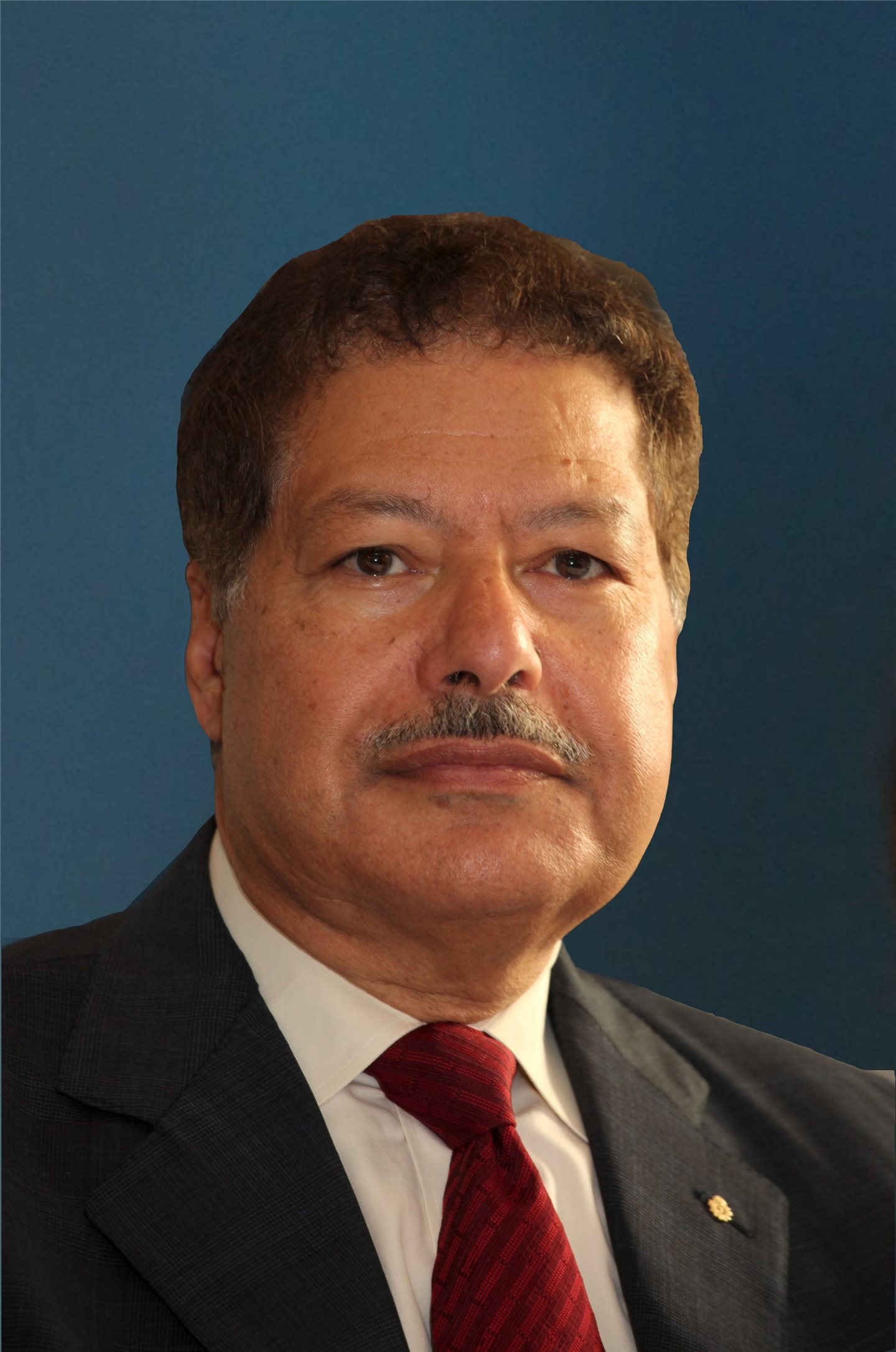
Ahmed Zewail: making chemical change observable
How a Caltech laboratory opened a window onto molecular motion, and why instruments and collaboration matter to the story.
A journalist, a Chicago address, and an ambitious nineteenth-century Muslim publishing project.
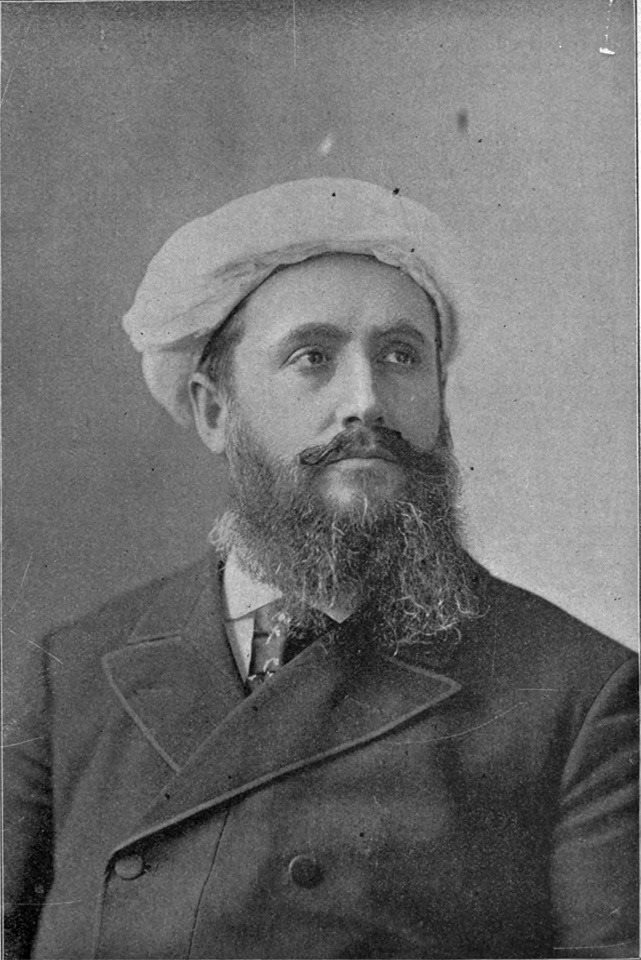
In September 1893, an American Muslim stood before the World's Parliament of Religions in Chicago and challenged the audience's assumptions about his adopted faith. Alexander Russell Webb was a white American journalist and former diplomat. His presence complicated a familiar distinction between an American audience and supposedly foreign religions: here was someone speaking about Islam in the language and public-speaking traditions of his own country.
Webb had grown up in the Hudson Valley in a Presbyterian environment. Journalism, editing, and government service preceded his religious work. In 1887 he became the United States consul in the Philippines; in 1888 he embraced Islam. His biography therefore crosses several worlds often kept separate in accounts of American religious history: the provincial newspaper, the diplomatic posting, international correspondence, and the lecture platform. Oxford University Press's scholarly biography reconstructs those connections.
Webb's encounter with Islam was sustained by relationships with Muslims overseas, including correspondents and supporters in India. His eventual American mission did not emerge in isolation. Ideas, money, books, and personal introductions traveled across borders, allowing a relatively small enterprise in the United States to imagine a much larger public role.
By 1893, Webb was back in New York working to establish his American Islamic mission. Publishing was central to the undertaking. His newspaper experience offered an obvious tool: print could reach people who would never enter a meeting room or attend a lecture. The project produced periodicals and explanatory material, including The Moslem World. Webb's book Islam in America appeared that same year. Its title announced his intention directly.
The digitization work described by Harvard makes surviving publications from this movement easier to locate. Their existence is significant even though the project did not become a large, enduring national congregation. A newspaper or pamphlet can influence a conversation without leaving behind a permanent building.
The Parliament took place during the World's Columbian Exposition, when Chicago presented itself as a meeting place for nations, technologies, and religions. The event offered an extraordinary platform, but its arrangements also reflected the unequal power of the people deciding who would speak and how traditions would be described.
Webb's address, preserved through the Pluralism Project's historical resources, confronted the popular idea that Islam had spread only through violence. He also emphasized reason and challenged portrayals of Muslims as inherently irrational. These were arguments chosen for a particular audience, shaped by the accusations he expected listeners to bring with them.
The speech should be understood as Webb's intervention, rather than a statement on behalf of every Muslim in the United States. Enslaved African Muslims had lived in America long before his birth. Immigrant communities and other individuals had their own experiences, languages, and priorities. His visibility at a prestigious event did not make him the beginning of American Islam.
What made the occasion distinctive was the setting. Webb spoke from inside American public culture while contesting its definitions of religious belonging. A former consul and newspaper editor could not easily be dismissed as someone with no knowledge of American life. His biography became part of his argument, even when he was discussing history or philosophy.
The surviving publications show an energetic attempt to make Islam legible to English-speaking readers. They also reveal the practical demands of religious organizing: preparing copy, finding subscribers, financing distribution, and maintaining the confidence of distant supporters. These tasks were as important to the movement's prospects as Webb's ability to deliver a speech.
A striking feature of his career is the gap between public recognition and institutional durability. A memorable appearance at a world's fair did not automatically produce a stable organization. Webb nevertheless continued to occupy a place in transnational Muslim networks. In 1901 he received an honorary Turkish consular appointment and Ottoman honors, according to his Oxford biography.
For Muslim American history, Webb is most useful as a specific person with a specific project. Calling him America's first Muslim, or even treating him as the first meaningful American encounter with Islam, erases earlier lives. Treating him merely as an eccentric convert misses the seriousness of his publishing and organizing.
His story belongs beside those of African Muslim writers, immigrant mosque founders, and later Black American religious leaders. Together they show that Islam entered American public life through multiple routes. Webb's route ran through newsprint, overseas correspondence, and a Chicago stage: a nineteenth-century experiment in explaining Muslim life to an audience that often believed it already understood it.
HistoryHow a Caltech laboratory opened a window onto molecular motion, and why instruments and collaboration matter to the story.
 History
A North Carolina research career reveals how basic science, teaching, and cultural exchange can reinforce one another.
A New Jersey congregation’s zoning dispute produced permission to build and changes to local religious-land-use procedures.