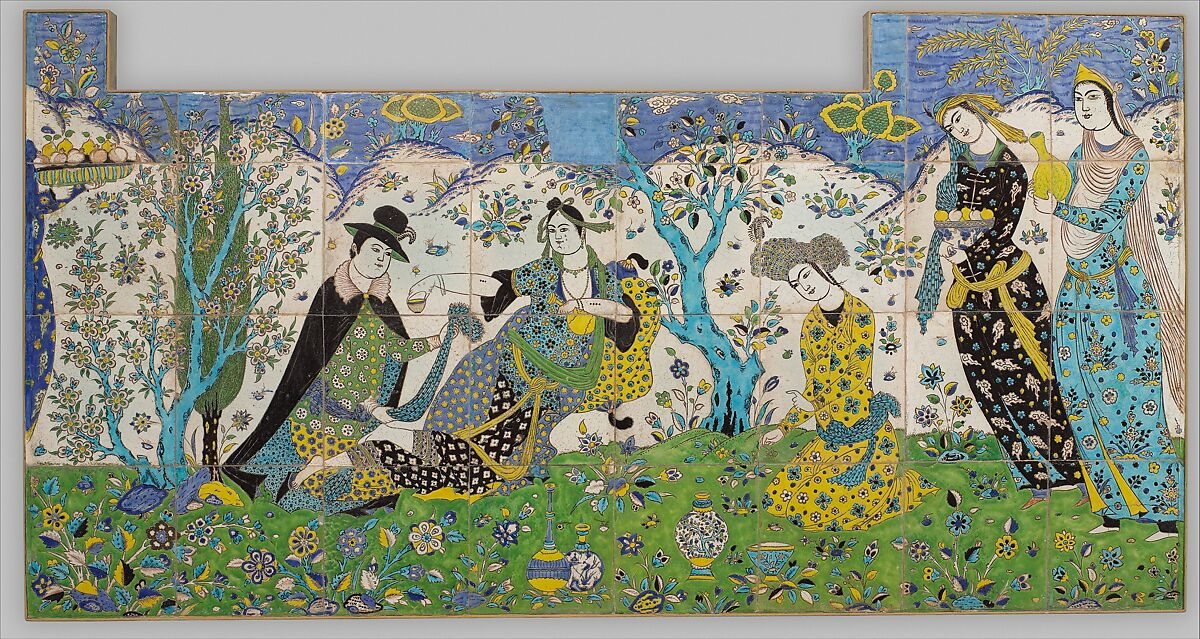
 Shop
Buying Ceramic Art with a Clear Understanding of the Work
Questions about process, purpose, makers, and presentation to ask when buying ceramic art at a market or online.
Find a documented museum image, check its reuse status, and prepare a print that preserves the artwork’s identity.
A museum image can become a meaningful print when the object’s identity travels with it. The maker, place, date, material, and collection record give a framed reproduction a history. Choosing the image carefully also prevents a small web thumbnail from becoming a disappointing large print.
Start with a museum that provides clear item-level reuse information. The Met’s Open Access program makes designated public-domain images and collection data available under Creative Commons Zero. Its guide explains the Open Access indicator in the collection. Check the individual artwork as well as the general policy. Met Open Access
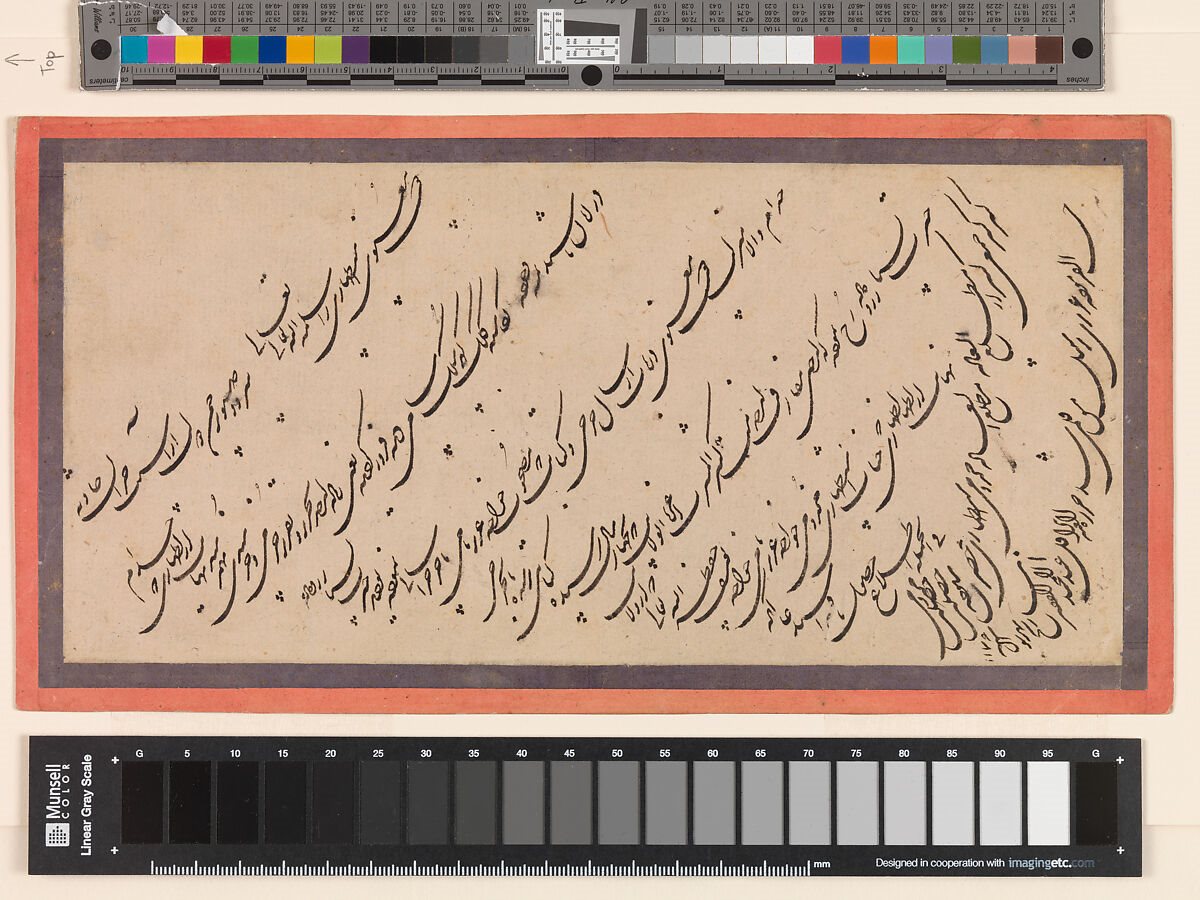
Abd al-Majid Taleqani’s Page of Calligraphy, dated 1763, is one documented example in The Met collection. The record identifies ink, opaque watercolor, and gold on paper, gives the dimensions, and marks the image public domain. Its discussion connects the page with shikasta writing. Object record
Those details make a better starting point than an image reposted under an anonymous label. Read the record and decide whether you want the complete page, including its margins, or a clearly described detail. A crop can change the proportions and remove information that helps the work make sense.
For a gift, consider whether the recipient will want the text translated. Use the museum’s published interpretation or another qualified source. Avoid guessing at a phrase from a decorative image or relying on a product title that provides no evidence.
Record the image’s pixel dimensions and the artwork’s physical proportions. Ask the printer what output size is reasonable for the file. If the chosen paper or frame uses a different proportion, add a border rather than automatically cutting off part of the image.
A full-page manuscript reproduction often benefits from visible margins. A ceramic photographed against a background may need a different layout. Inspect the file at the intended crop and confirm that the important detail remains clear.
Order a small proof when color or fine writing matters. A screen, a home printer, and a commercial print can show the same file differently. Evaluate the proof under the light where the final piece will hang.
Cleveland’s open-access program also provides reusable images of public-domain artworks, while individual records identify whether an image is included. Save the item link and the rights statement with your download. A general museum logo or navigation footer does not establish an artwork’s status. Cleveland policy
The Walters collection offers digitized manuscripts such as W.555, which can provide another research route. Review the current image license on the actual record before preparing a print. Keep the manuscript number and folio reference attached to the chosen image. Walters record
An open-access historical image and a living artist’s print are different kinds of purchases. A contemporary artist’s official shop may offer a signed edition, particular paper, or a carefully controlled reproduction. Read that listing on its own terms and respect the artist’s stated permissions.
Prepare a short label or backing note with the title, maker when known, date, place, collection, accession number, and source URL. Add “reproduction” and identify any crop. This is useful even when the license does not legally require attribution.
For the Taleqani page, the museum’s accession number is 46.126.4. Keeping that identifier makes the source findable if a web address later changes. Similar titles such as “Page of Calligraphy” can describe many unrelated works.
If you alter color, remove a background, or combine several images, record the alteration. The resulting design may be attractive, but its appearance should not be mistaken for the museum’s documentation of the original.
Measure the wall or shelf before selecting the final size. Include room for a mat and frame if those will be used. Ask the printer which paper best supports the visual character you want, and compare a physical sample where possible.
Keep the original downloaded file separate from your print layout. Save the proof, final dimensions, and source note together. That small record makes a future reprint straightforward and preserves the artwork’s identity long after the order email has disappeared.
A well-made reproduction can invite daily attention to a page, pattern, or object you first encountered in a collection. Its value grows when you can tell someone exactly what it is and where to learn more.
ShopQuestions about process, purpose, makers, and presentation to ask when buying ceramic art at a market or online.
ShopPrepare a clear brief for a calligrapher, from verified wording and script preferences to framing and delivery.
Use the Tatreez Institute’s publications and teaching resources to choose an entry point into Palestinian embroidery.