How Melanie Elturk built Haute Hijab around a specific customer
The documented beginnings of Haute Hijab, from vintage scarves to a focused American hijab brand.
Five stories of Muslim American enterprise, from automotive manufacturing to clothing, jewelry, homewares, and founder networks.
The documented beginnings of Haute Hijab, from vintage scarves to a focused American hijab brand.
A sourced look at Nominal's founders and how product meaning, in-person events, and gifting shaped the brand.
A documented account of a Muslim lifestyle business connecting home décor, family occasions, and design.
A historical look at Affinis Labs, Muslim American founders, and access to entrepreneurial networks.
 Business
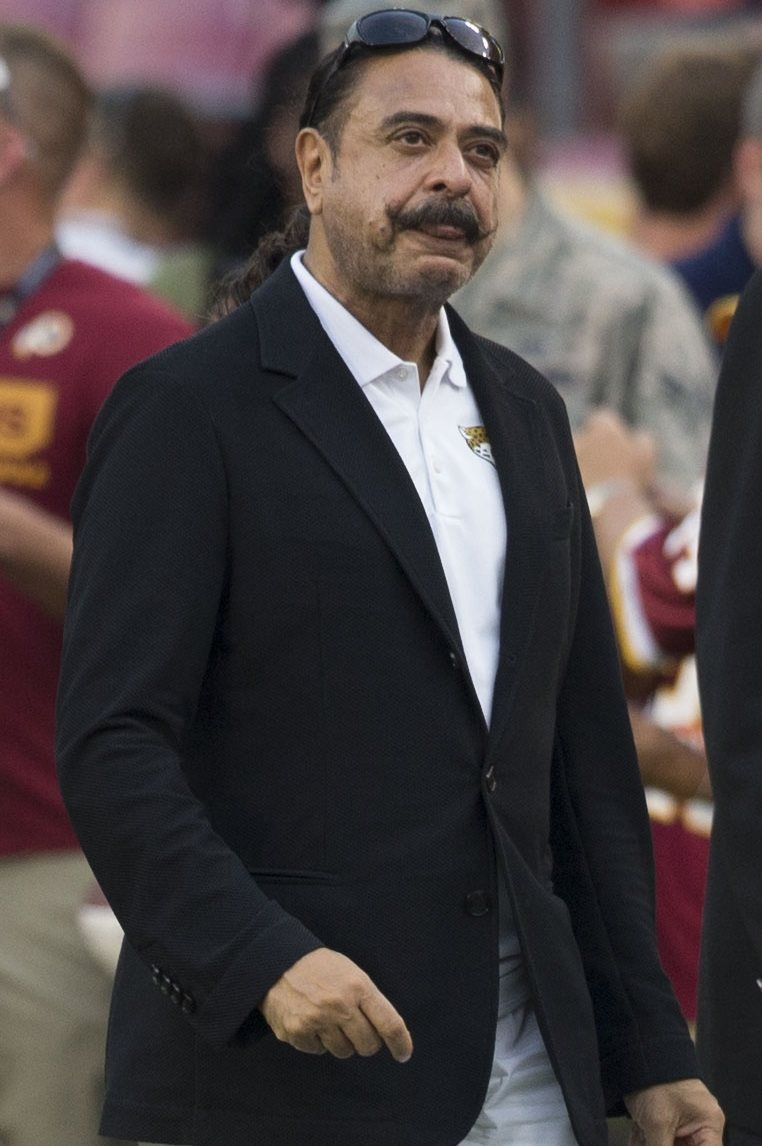
How Shahid Khan’s Illinois engineering career and automotive component business became part of American manufacturing.
A one-piece truck bumper, a scarf prepared for an online shop, and an invitation to pitch a startup are different kinds of economic contribution. Putting them together reveals something a list of wealthy people cannot: businesses matter through the particular problems they address, the work they organize, and the relationships they make possible.
This collection follows five documented examples of Muslim American enterprise. It includes manufacturing, clothing, jewelry, homewares, and support for other founders. The range is intentional. Muslim-owned business is not one industry, and the people featured here do not share a single route into entrepreneurship.
The profiles use public accounts of identity rather than assumptions based on names, appearance, or ancestry. They also distinguish a founder's description of a company from independently reported results.
Shahid Khan's manufacturing story begins with engineering and an automotive component. The University of Illinois alumni record connects his training with work at Flex-N-Gate and the development of a bumper business. That industrial route is easily overshadowed by his later visibility in professional sports.
The profile asks readers to follow an object through the business that supplies it. A familiar finished product can depend on work performed by companies whose names most buyers never see. Understanding that relationship makes room for engineers, factory workers, and suppliers in an account of American economic life.
It also requires care about scale. A dated university biography is useful evidence of historical decisions, but its old plant or employee counts are not present-day facts. The profile therefore concentrates on the documented sequence rather than trying to turn an outdated number into a claim about current employment. Read it if you are interested in industrial careers, product design, or the difference between a founder's public image and the work of a company.
Melanie Elturk and Haute Hijab offers a different starting point. Its early history includes preparing scarves at home and learning which products customers wanted. The founder interviews show how an initial plan can change when a particular offer finds an audience.
The contribution is concrete: a business directed its attention toward women whose clothing needs and preferences deserved an ordinary retail experience. Fabric, drape, color, and care could become the questions on the page. Representation had a practical relationship with the product itself.
For an aspiring founder, this profile is useful because it does not begin with a finished brand. It follows the work between an idea and an offer that someone can buy. Read the interviews with an eye for sequence: what existed first, what customers responded to, and when the founders committed more time. That is more instructive than assuming that a polished company appeared all at once.
Nominal's founders describe building a jewelry business around meaningful accessories and cultural expression. The profile follows their own account carefully, labeling it as a founder narrative rather than treating it as an audited company history.
Jewelry provides a useful example of how design can make a language or reference visible in everyday American life. A customer may choose an object for its appearance, a word it carries, a personal connection, or several reasons together. The existence of that choice is more specific than a sweeping claim about what an entire community wants.
This profile is particularly useful alongside Haute Hijab. Both concern consumer products, but the design questions differ. A wearable fabric raises questions about use and comfort; lettering on an accessory raises questions about meaning and form. Comparing them keeps the phrase Muslim-owned business from flattening distinct forms of design work into one story.
WithASpin and Lail Hossain begins with the founder's account of wanting her home to reflect her family's identity. The business turns that concern into objects other households can choose. It connects design, family life, retail, and the work of explaining where products come from.
A homewares story is especially useful for examining labels. A company can be based in the United States while selling an object produced somewhere else. A founder may design one item and curate another maker's work. Those roles deserve clear descriptions rather than a single vague assertion that everything in a shop is American-made.
The profile therefore treats sourcing as part of the story. It asks readers to notice the people and places involved in an object, not only the storefront that sells it. For makers and shoppers alike, that approach makes a business feature more informative: the reader can understand an offer without being pushed toward a purchase.
Affinis Labs is a historical case study in entrepreneurial support. Contemporary reporting documented a northern Virginia initiative working with Muslim talent, and later reporting described an invitation to Somali-American entrepreneurs in Minneapolis.
This route contributes something other than a physical product. An introduction, a pitch opportunity, or a training program can help someone reach people who were previously difficult to access. The profile separates those documented offers from larger claims about jobs, company survival, or social change that would require follow-up evidence.
It also explores a diaspora connection. American enterprise can involve knowledge and relationships that extend beyond U.S. borders. The important question is what the particular program did with those connections. Read this profile if you are comparing accelerators, mentoring programs, or the practical value of a founder network.
Choose the case closest to the question you are trying to answer. For a product idea, begin with the customer and the object. For a manufacturing career, examine the link between education and an operating workplace. For a support program, identify the exact service and who can receive it. A broad success story becomes useful when it leads to a question you can investigate.
Then ask what kind of source would answer that question. A founder interview can explain intentions and remembered decisions. A product listing can show what a company currently offers. Neither is a substitute for independent evidence about revenue, wages, environmental effects, or customer satisfaction. We do not estimate the economic contribution of all Muslim Americans by adding up a handful of profiles.
These are free editorial features, distinct from any future paid placement or marketplace. The value of the collection lies in making specific work visible and giving readers a sound route into further research.
The five examples can also be read as a small sequence: learn a process, recognize a customer, design an object, explain its origin, and help another person reach an opportunity. No founder completes that sequence alone. The strongest business histories make room for the collaborators, workers, customers, and institutions that allow an enterprise to exist.
The documented beginnings of Haute Hijab, from vintage scarves to a focused American hijab brand.
A sourced look at Nominal's founders and how product meaning, in-person events, and gifting shaped the brand.
A documented account of a Muslim lifestyle business connecting home décor, family occasions, and design.