 History
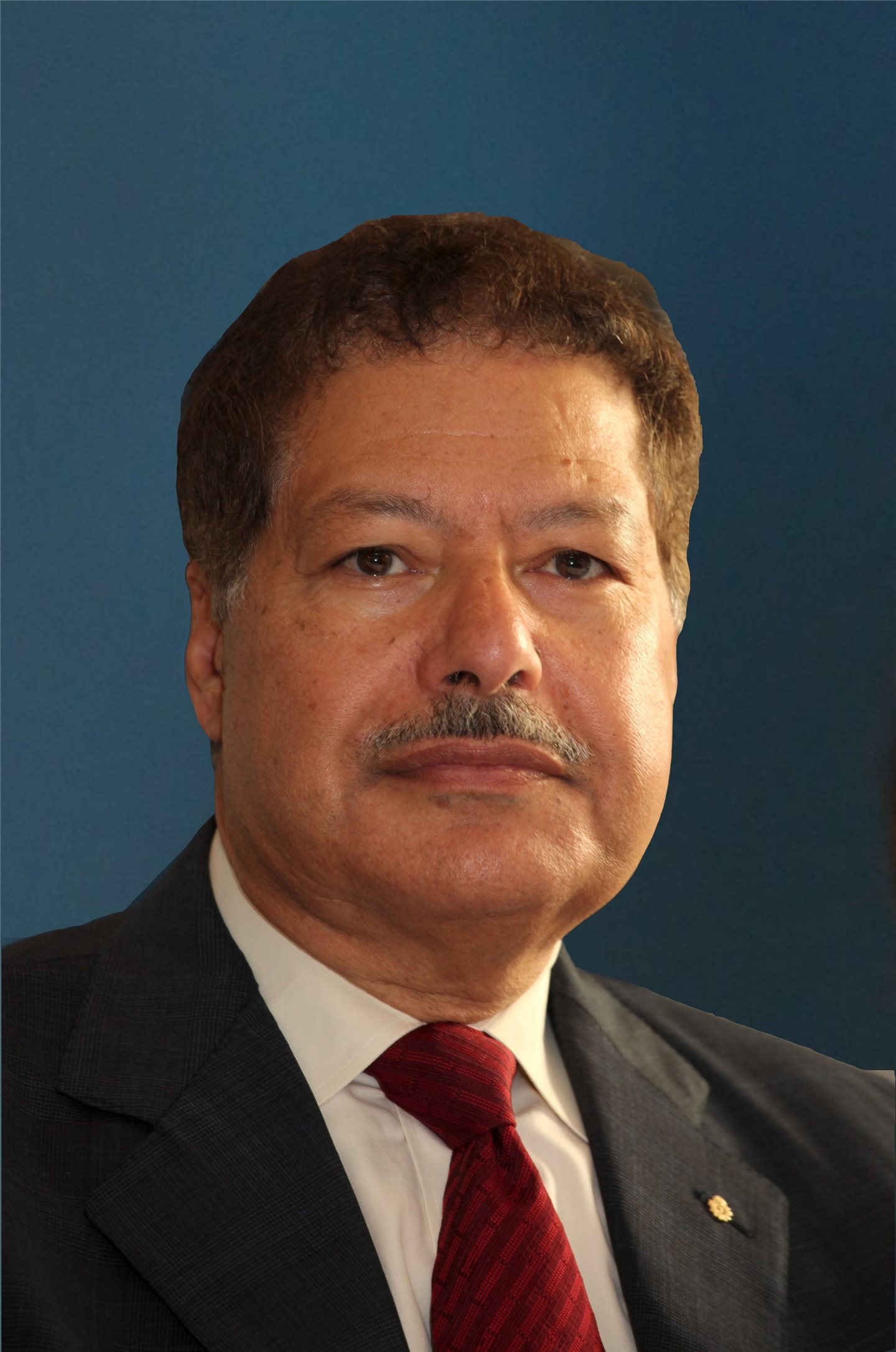
Ahmed Zewail: making chemical change observable
How a Caltech laboratory opened a window onto molecular motion, and why instruments and collaboration matter to the story.
A New Jersey congregation’s zoning dispute produced permission to build and changes to local religious-land-use procedures.
A mosque needs a congregation, but it also needs a lawful place to meet. In Bernards Township, New Jersey, a dispute over that second requirement became a federal civil-rights case. The Islamic Society of Basking Ridge sought permission to build a mosque. The township denied the application. A 2017 settlement required the township to allow the project and change aspects of its land-use procedures.
The result belongs in a history of Muslim contributions to American civic life because the dispute tested how a local government treated a religious minority within an ordinary municipal process. Zoning hearings, parking standards, and ordinance amendments can determine whether religious freedom has a physical address.
The Department of Justice’s account of the settlement identifies the Islamic Society of Basking Ridge as the Muslim organization seeking the mosque. The property was in a zone where houses of worship were permitted. The federal government nevertheless alleged that the township had imposed requirements on this application that it had not imposed on comparable religious applicants.
That was the core issue: equal treatment within an established process. The mere existence of planning rules was not the alleged violation. Nor was the case a demand that religious buildings be exempt from every concern about access, traffic, or land use. It concerned how those rules were applied and whether the congregation faced unlawful burdens.
This distinction makes the story useful beyond one town. A formally neutral category such as house of worship can be administered differently when the proposed building belongs to an unfamiliar minority. To assess that possibility, the comparison with other applications matters.
The Justice Department filed its civil suit in November 2016 under the Religious Land Use and Institutionalized Persons Act, or RLUIPA. That federal statute addresses both religious land use and religious exercise by institutionalized people. The two settings are different, but both involve government decisions that can sharply restrict religious practice.
The department alleged that the township’s treatment of the mosque violated federal protections. It also challenged changes to the zoning ordinance that imposed burdens on houses of worship more broadly. This second issue matters: a rule developed in a controversy involving one mosque can affect other religious institutions seeking permission in the future.
The federal action and the congregation’s own lawsuit were related, but they were not identical proceedings. Keeping them separate helps explain the settlement figures and obligations. The department’s case pursued public enforcement; the congregation’s civil case also involved its own claims for damages and fees.
On May 30, 2017, the Justice Department announced an agreement requiring the township to permit construction of the mosque. It also required training for township personnel, adoption and publication of nondiscrimination policies, periodic compliance reports, and changes to the zoning ordinance.
These provisions are less photogenic than a new building, but they explain the institutional consequence. Training addresses how officials understand their responsibilities. A published policy tells future applicants what standards should govern. Reporting makes compliance something that must be documented. An ordinance amendment changes the rules that remain after the original litigants leave the room.
The same announcement reported a separate settlement of the congregation’s lawsuit for $3.25 million in damages and attorneys’ fees. That figure should not be confused with the cost of the mosque, a federal grant, or a payment distributed to all residents. It described the resolution of the private civil action.
The case ended through agreement. It is therefore more accurate to describe what the government alleged and what the township agreed to do than to narrate a completed trial that never supplied the outcome being discussed here.
This is not a small editorial distinction. A settlement document can show concrete obligations without establishing every contested allegation as a judicial finding. The Justice Department’s case record provides a starting point for readers who want to follow the federal proceedings and distinguish them from later reporting.
The result was substantial on its own terms. The congregation obtained permission for the project, and the municipality accepted changes to the process. There is no need to claim that the agreement eliminated prejudice throughout the town or solved religious-land-use disputes nationally.
American religious liberty is often described through constitutional language. The Bernards story shows the administrative work behind it: an application, a denial, a comparison with other applicants, a lawsuit, and a set of enforceable commitments. Muslim residents participated in that system and challenged its operation when they believed it treated them unequally.
For students, the most revealing documents are those that specify a remedy. Ask what changed for the original congregation and what changed for the next applicant. The answers are related, but they are not the same.
Read this case alongside Holt v. Hobbs, which applied the institutionalized-persons side of the same statute. Then return to the civil-rights collection for the wider story of Muslim Americans using legal institutions to make existing promises more concrete.
HistoryHow a Caltech laboratory opened a window onto molecular motion, and why instruments and collaboration matter to the story.
 History
A North Carolina research career reveals how basic science, teaching, and cultural exchange can reinforce one another.
Bilqis Abdul-Qaadir, the campaign to change basketball’s headgear rule, and her later coaching work.