Charlotte mosques, schools, and shared neighborhood spaces
Follow documented local histories from early meeting rooms to mosques, schools, and community centers, with unresolved dates clearly identified.
Find a public mosque visit, contact the host, and make space for a useful conversation.
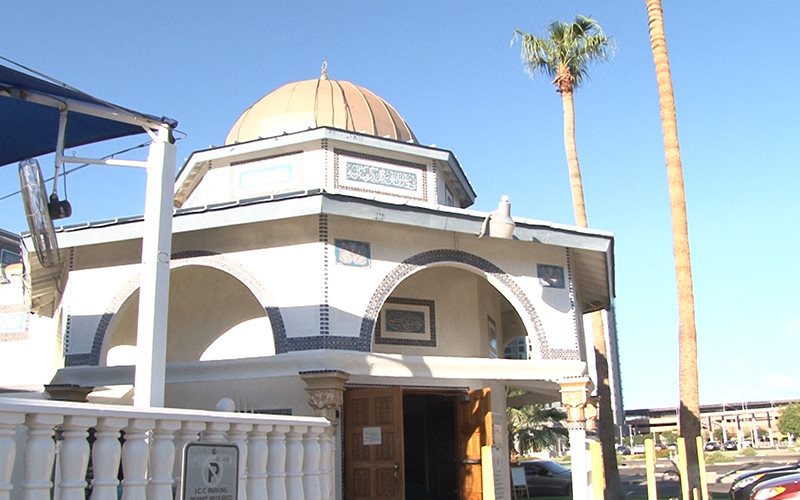
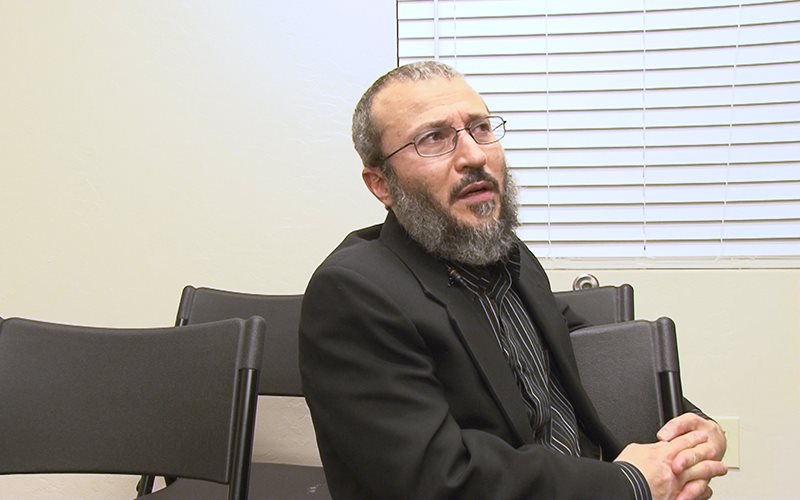
A mosque open house gives visitors a specific time, a welcoming contact, and a program designed for people who may be unfamiliar with the building or community. That structure can make a first visit easier. Begin with the organizer’s original invitation and check that it identifies the location, date, intended audience, and way to reserve a place.
ING, an American education organization, publishes guidance for mosque open houses that includes trained volunteers, clear arrival arrangements, a concise program, and time for questions. These are the kinds of practical details a visitor can look for in an invitation or ask the host to explain. Each mosque organizes its own event. ING open-house guidance
Search the mosque’s official website or a recognized local organizer’s calendar. Read the full event description. A tour, an interfaith discussion, and a regular congregational gathering can offer different experiences. If the event is described only briefly, ask whether first-time visitors can attend and whether the program includes an introduction to the community.
When contacting the host, explain who is coming and what you hope to learn. A person visiting alone may need only the correct entrance and meeting point. A school class needs a more detailed conversation about age, group size, supervision, and the learning goals. Give the organizer enough notice to arrange a host who can answer the group’s questions.
Request the event-specific visitor information, including arrival time, clothing guidance, use of shoes in different rooms, photography, and how to participate or observe. Treat those instructions as the host’s arrangements for that visit. People should be able to ask a practical question without already knowing the vocabulary of the building.
If you need step-free access, seating, a quiet break, or another arrangement, describe the actual requirement in advance. Ask which entrance and route you should use. A photograph of the main doorway may omit an accessible side entrance, while a general description of an accessible building may leave important details unresolved.
Read the mosque’s own history before attending. Ask how the community began, what programs use the building, or which local partnerships matter to the host. These questions invite a specific account of the place you are visiting. They also help distinguish the individual speaker’s experience from the range of experiences within Muslim America.
For questions about a term or practice, ask the host how it is understood or used in that community. Listen for qualifications and differences. Avoid asking one person to speak for every Muslim or to defend the conduct of strangers. A conversation becomes more informative when the speaker can describe what they know firsthand.
A community building may include classrooms, offices, event rooms, and spaces adapted over time. If the tour includes them, ask what happens there during an ordinary week. The answer can make the institution easier to understand than a list of architectural features alone. A volunteer’s account of setting up an event or welcoming new families can be especially revealing.
Observe how people move through the building and where the host directs visitors. Follow the agreed route and ask before entering a room outside it. During a gathering, give participants space to use the building normally. The visit takes place within a living community whose other activities may continue around the tour.
If you want photographs, ask what the host permits and check with people who would be identifiable. For a school project or article, explain where the work will appear. Write down the spelling of names and the organization’s preferred name. A brief note about the date and context will make your account easier to verify later.
When quoting a speaker, preserve the meaning and identify whether the statement came during a public presentation or a private conversation. Ask before publishing personal stories shared informally. If you are unsure about a fact, follow up with a focused question instead of smoothing the uncertainty into a confident claim.
Thank the organizer and share any useful feedback through the channel they provide. If you enjoyed a particular part of the visit, describe it. If arrival information was unclear, explain what would have helped. That kind of feedback gives the next open house a practical improvement.
You may leave with a reading recommendation, a date for another public program, or simply a better understanding of one local institution. Keep the source links and notes together. A first visit can be the beginning of a neighborly relationship built through repeated, ordinary contact.
Opening a building for a visit takes preparation. Someone answers questions, explains the space, introduces people, and makes it possible for a guest to return. ING's guidance treats that preparation as a deliberate public-facing activity. Its recommendations are useful because an invitation alone does not tell a first-time visitor what will happen.
The contribution described here is an opportunity for direct contact and religious literacy. It is not a claim that one tour eliminates prejudice or that every mosque runs a public program. For readers organizing a visit, the practical test is whether both hosts and guests understand the purpose, access arrangements, and limits. This guide belongs to our collection on Muslims and everyday neighborhood life.
In August 2017, Cronkite News reported on an open house at Tempe Islamic Community Center. Visitors watched a short film, toured the mosque, and observed a prayer gathering. Imam Anas Hlayhel led the event. The account follows individual visitors encountering the building for the first time, showing how a planned program gives guests several ways into a conversation. This is a historical example, not a current event listing.
Follow documented local histories from early meeting rooms to mosques, schools, and community centers, with unresolved dates clearly identified.
A close look at DREAM of Detroit’s housing rehabilitation, oral-history work, and plans for shared neighborhood infrastructure.
Documented energy and water projects in American mosques, from ISNA’s ENERGY STAR partnership to incremental improvements in Milwaukee.