

 Cities
Visiting Atlanta’s Muslim community institutions
Arrange an Al-Farooq visit, explore East Atlanta’s community history, and build a practical local itinerary.
Explore Philadelphia through Black Muslim history, Masjidullah, and a regional mosque directory.
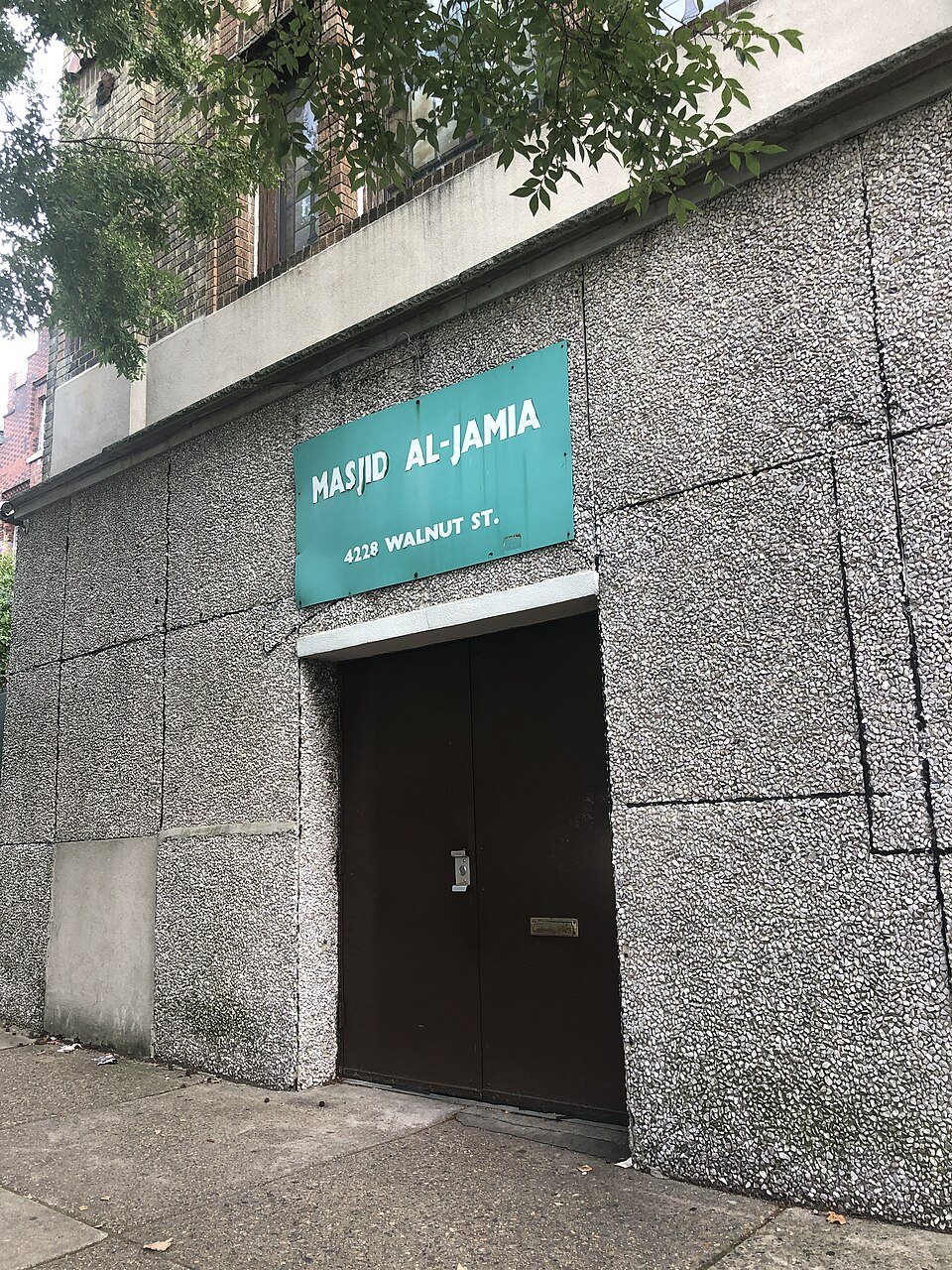
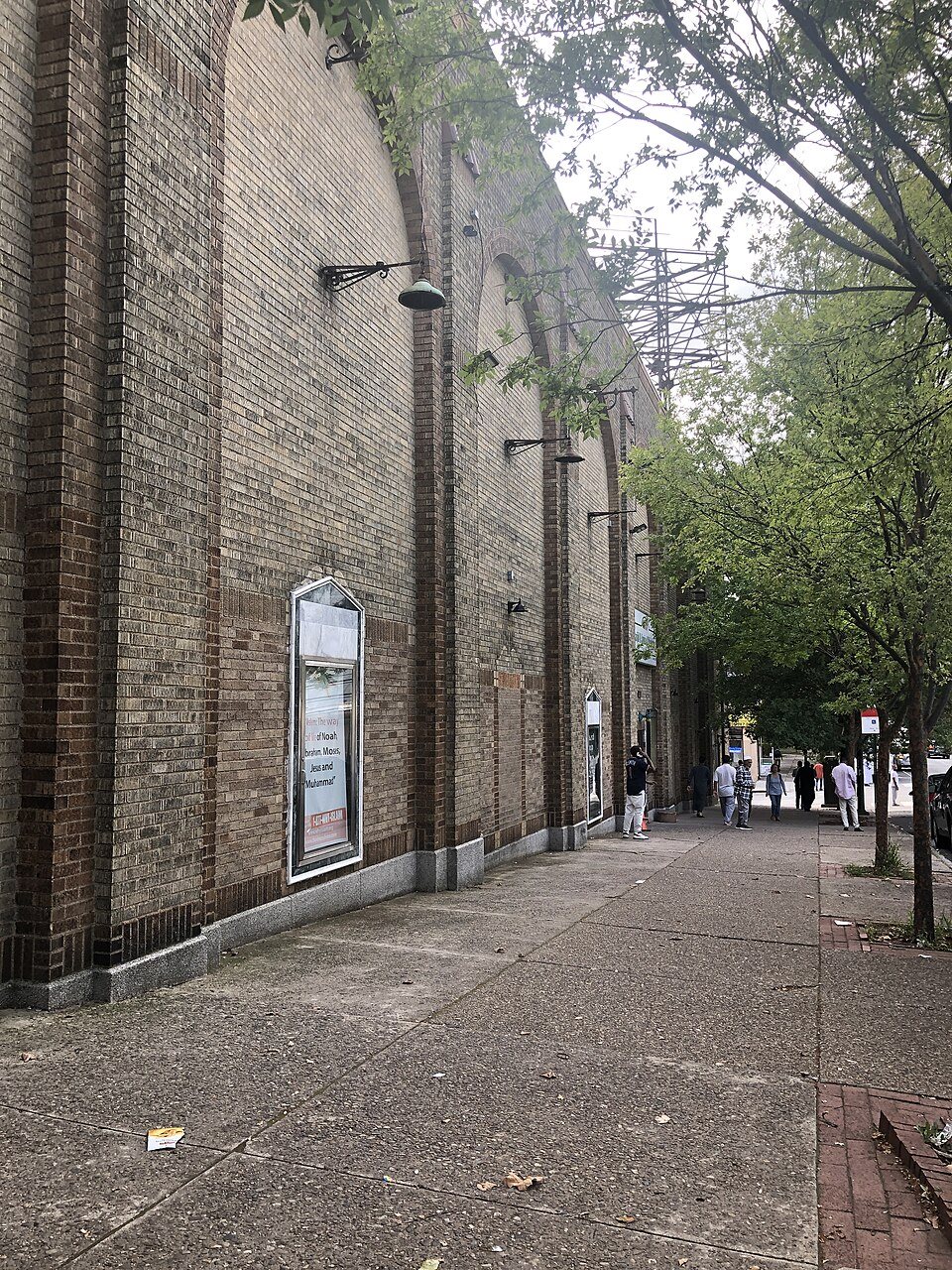
Philadelphia’s Muslim history belongs in a visitor’s understanding of the city alongside its better-known political landmarks. Neighborhood congregations, Black American religious movements, immigrant institutions, and community organizations have shaped different parts of the region. Begin with a historical overview, then choose one or two institutions whose current public programs make a visit possible.
The Encyclopedia of Greater Philadelphia’s essay describes a Muslim presence stretching back to the colonial period and significant community growth in the later twentieth century. It follows several religious movements and immigrant communities, including African American congregations and the establishment of Al-Aqsa mosque in Lower Kensington. Read the essay as a dated scholarly account and use current institutions for present-day details. Muslims and Islam.
The city’s institutions have different origins and affiliations. Keep those distinctions visible when taking notes. A congregation may have changed its name, leadership, building, or organizational relationship over time, and the date of a building is not necessarily the founding date of the community.
For a self-directed history visit, identify a question first. You might investigate how a congregation acquired its building, how a school developed around a mosque, or how an institution served a particular neighborhood. A narrow question makes it easier to distinguish documented history from a broad impression.
Masjidullah’s official site describes a community and family-centered institution in Philadelphia. Its published contact page is the place to establish current access, public activities, and the correct person for a historical inquiry. Masjidullah and contact information.
Ask whether there is an upcoming event suited to visitors or a time when a host can discuss the institution. A worship space may be active throughout the week without offering a scheduled visitor program. If you want to photograph architecture or interview a community member, explain the purpose in advance and obtain the relevant permission.
A useful conversation can begin with everyday questions: which activities bring neighbors together, what changed as the congregation grew, and where its history is preserved. Record the speaker’s name and role, and distinguish their recollection from independently verified dates.
CAIR Philadelphia’s Eastern Pennsylvania mosque directory lists institutions across the region and includes information about some services. It provides a way to find names and locations beyond the institutions most frequently mentioned in visitor guides. Follow each listing to its current official source before using a service time or activity description. Eastern Pennsylvania mosque directory.
A directory can help narrow choices by neighborhood. It should not be read as proof that every site offers tours, accessible entrances, or an open event on the day you arrive. Send a short inquiry describing what you hope to do and how many people are coming.
For someone relocating, check the ongoing pattern of activities rather than one prominent annual celebration. Ask about youth programming, ways to volunteer, and how newcomers receive announcements. These are practical routes to understanding the community’s weekly life.
Visit Philadelphia’s religious-history feature includes Baitul Aafiyat and describes its 2018 opening. The tourism source provides context for adding an Ahmadiyya Muslim institution to a wider exploration of the city’s sacred spaces. Confirm current visiting arrangements with the congregation itself before scheduling an interior visit. Philadelphia religious heritage.
The value of a multi-institution itinerary comes from careful attention to each place’s own account. Use the congregation’s preferred name and avoid treating one visit as a complete description of Philadelphia’s Muslim population.
End the day by checking the names and dates in your notes against official pages or the historical essay. A well-recorded visit can lead to another article, an archive request, or a return conversation with a host who has agreed to share more.
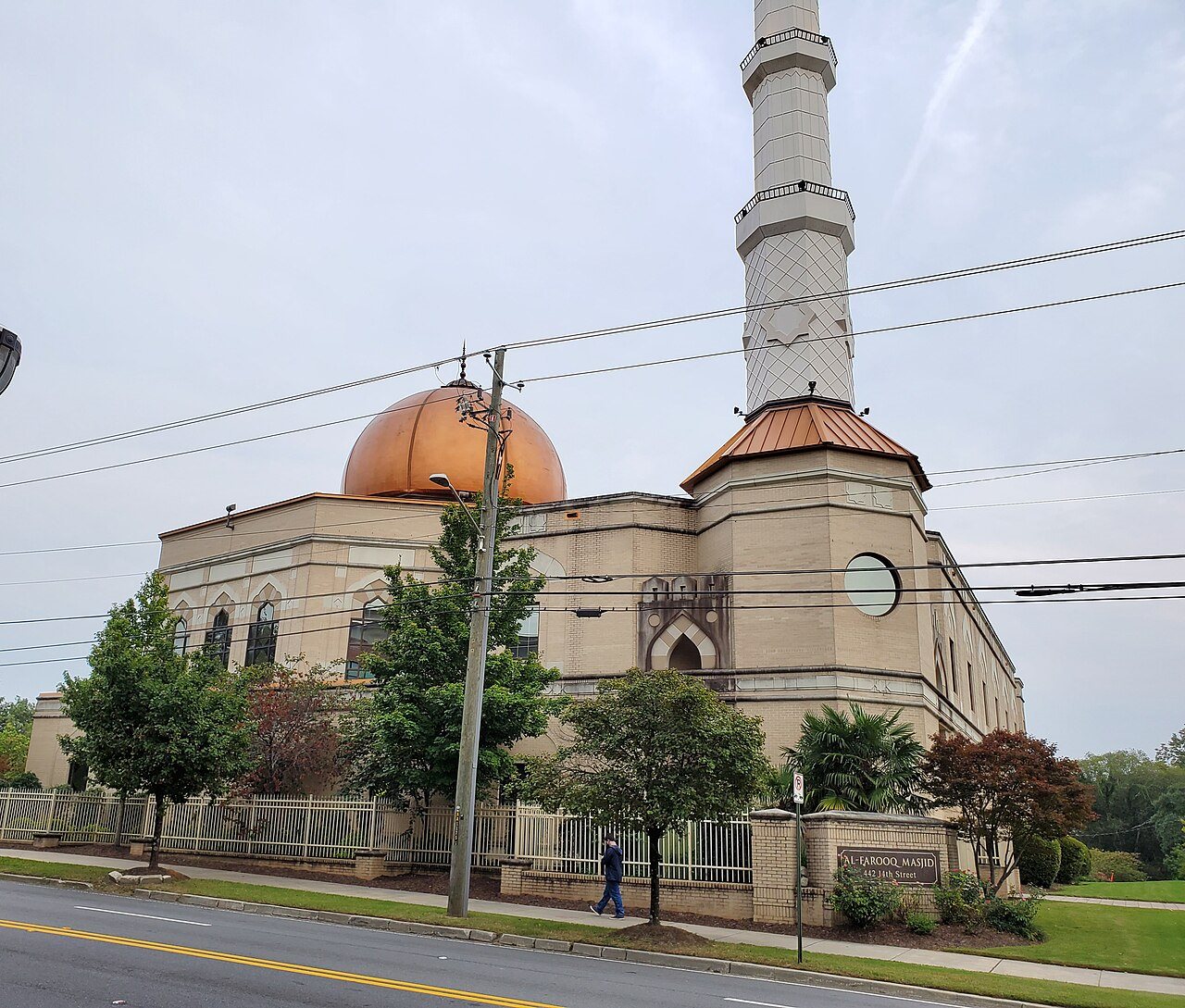
CitiesArrange an Al-Farooq visit, explore East Atlanta’s community history, and build a practical local itinerary.
 Cities
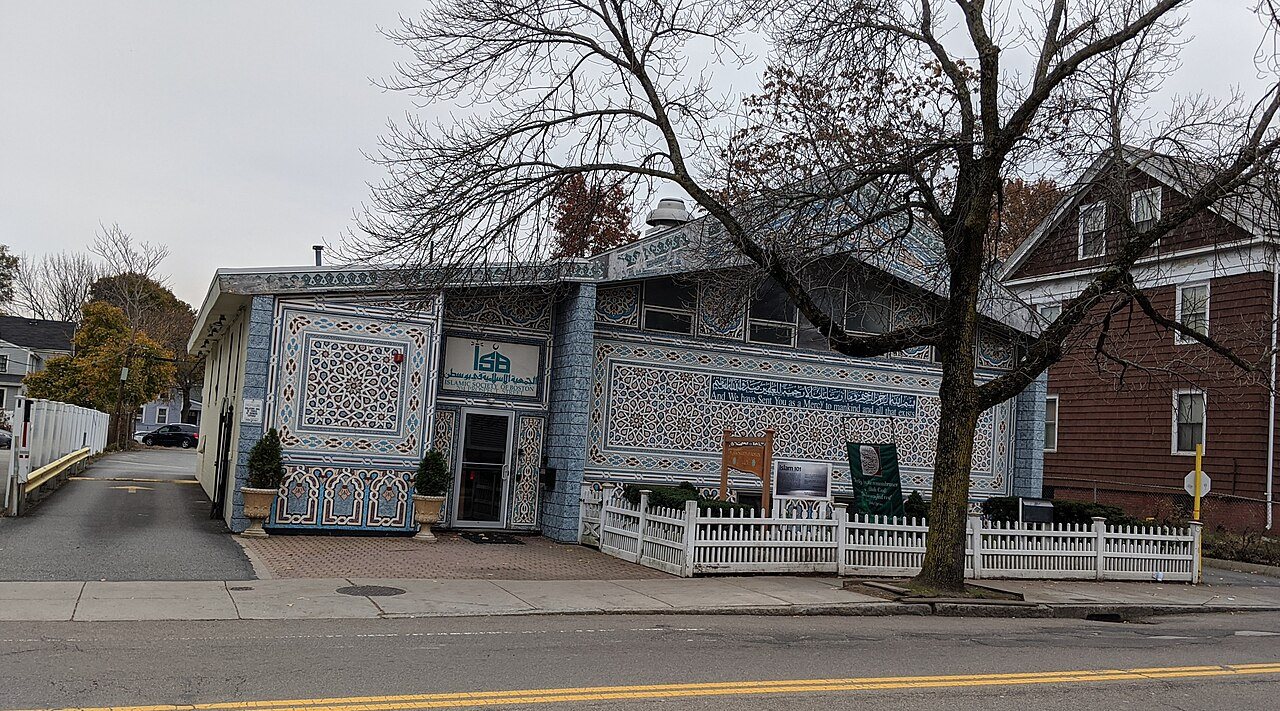
Explore the ISBCC’s architecture, Greater Boston’s community histories, and Islamic art at the MFA.
Use the Loop’s Downtown Islamic Center and a regional mosque directory to plan a realistic Chicago visit.