
 Cities
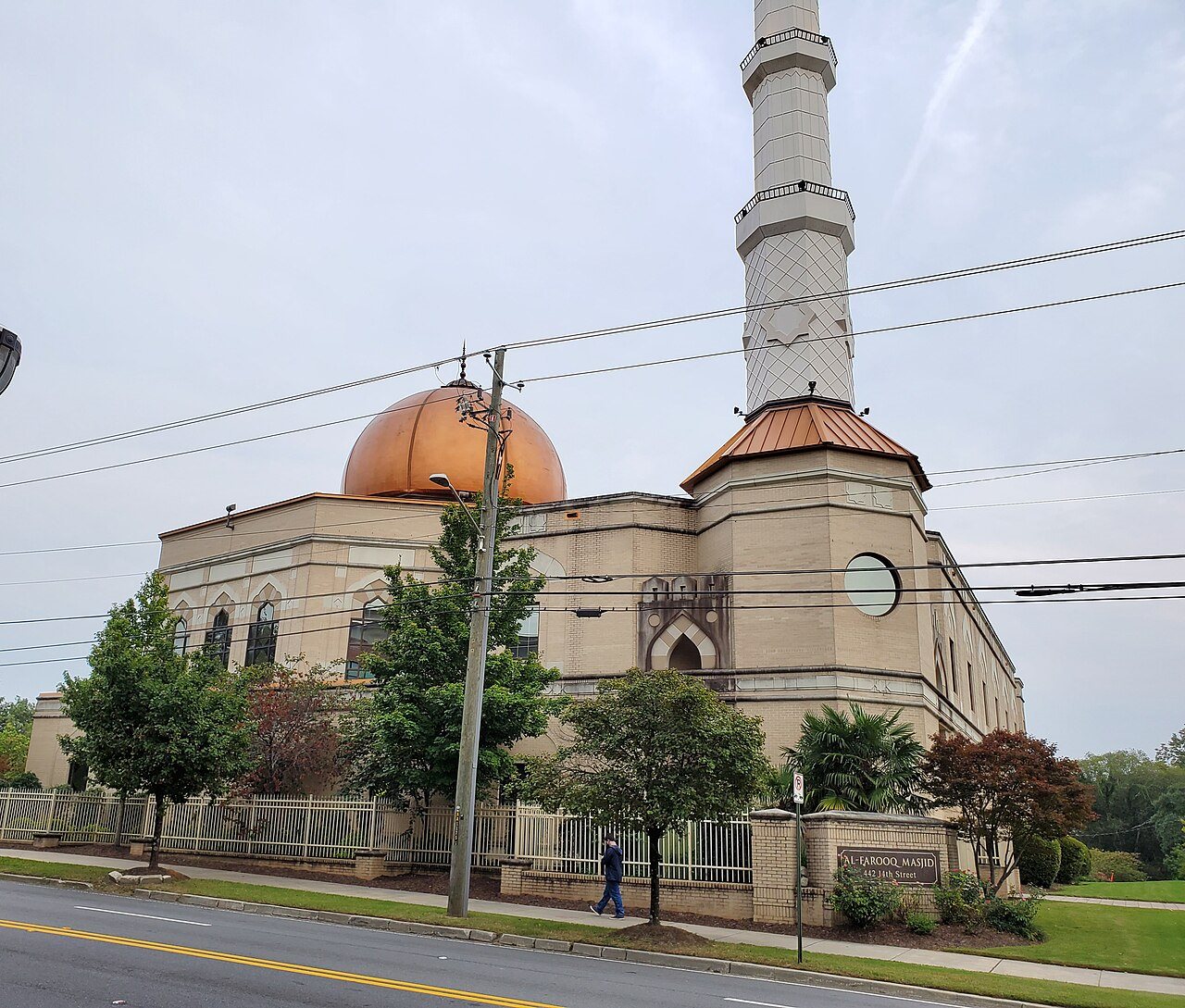
Visiting Atlanta’s Muslim community institutions
Arrange an Al-Farooq visit, explore East Atlanta’s community history, and build a practical local itinerary.
Plan New York mosque and cultural visits by borough, with official community directories and a Queens museum stop.
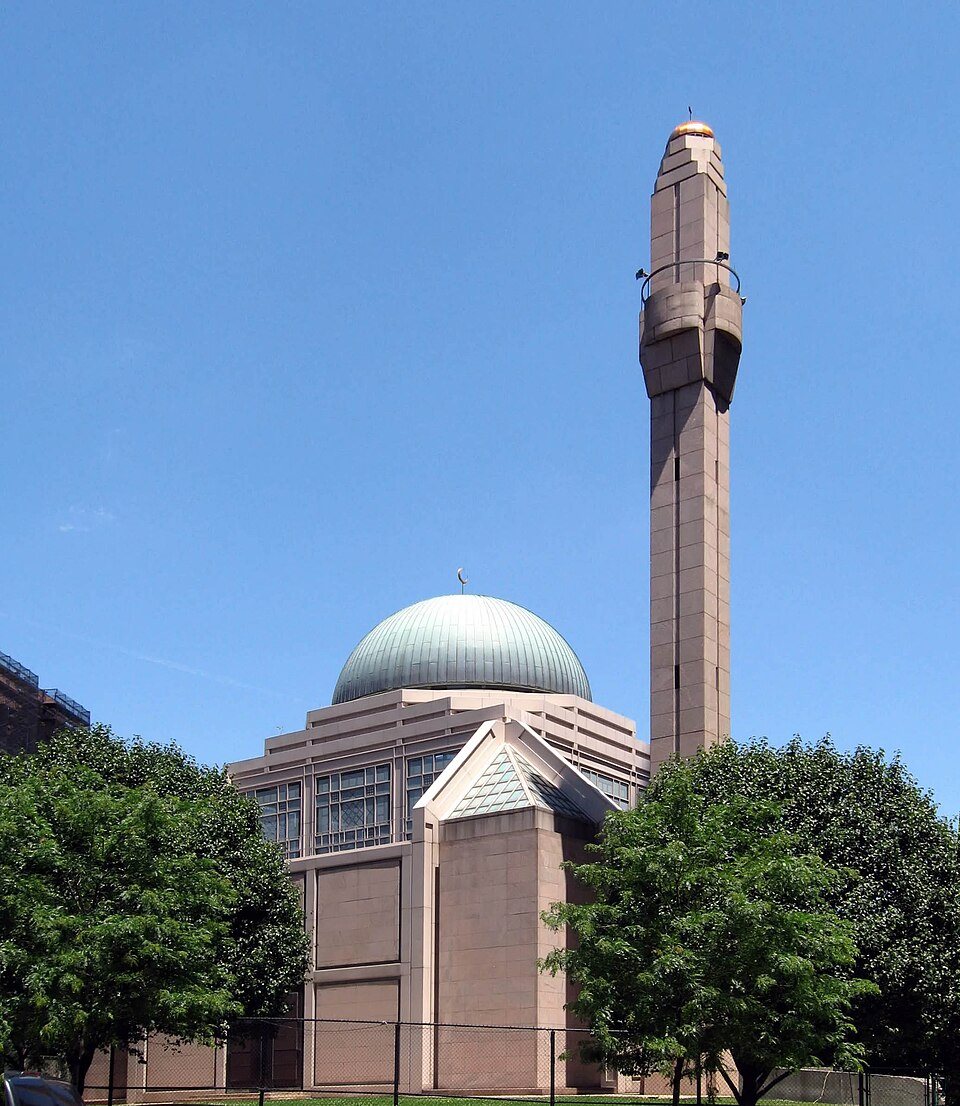
New York’s Muslim life belongs to multiple neighborhoods and institutions. A Manhattan mosque, a Harlem archive and an Islamic art gallery offer different kinds of encounter. None stands for the whole city. Together they can begin a visit that connects contemporary community life with historical records and artistic work.
Choose one geographic focus for the day. Manhattan alone can support a substantial itinerary, while the city’s community directories point toward Queens, Brooklyn, the Bronx and Staten Island for subsequent visits. The aim is to understand places in context rather than collect addresses.
The Metropolitan Museum of Art’s Islamic Art department describes a collection spanning the seventh through twenty-first centuries, with objects from Spain and Morocco through Central Asia and Indonesia. Its fifteen-gallery installation opened in 2011 under the geographically specific title Art of the Arab Lands, Turkey, Iran, Central Asia, and Later South Asia.
That geographic framing is useful. Look at the object labels for a place, date and material rather than expecting one uniform style. Comparing a manuscript page with a ceramic object can reveal different kinds of skilled work, audiences and uses.
The Moroccan Court is particularly relevant to an interest in living craft. The museum documents artisans from Fez executing plasterwork, woodcarving and tilework for the court. This was a new architectural project made for the galleries, not an entire historic courtyard transported to Manhattan. The distinction opens a conversation about how traditional skills continue in contemporary commissions. The Met’s account of its displays.
The Damascus Room offers a different experience: a residential reception chamber typical of late Ottoman Damascus, presented in Gallery 461. Read the museum’s account of the room’s original context and later movement into a collection. Domestic hospitality and museum collecting both belong in its story. Damascus Room.
The Islamic Cultural Center of New York lists a main location at 1711 Third Avenue and another on Riverside Drive. Keep the addresses distinct when arranging a visit. The Third Avenue center can form part of an Upper East Side day, while Riverside belongs to a different route.
A museum and a mosque serve different purposes. The first organizes objects and interpretation for visitors; the second is an active community institution. A hosted conversation can explain the center’s present work in a way that an architectural photograph cannot. Ask about public educational programming and the communities who use the building.
The Schomburg Center’s Malcolm X photographic collection includes family images and records of public activity from the 1950s to the mid-1960s. The collection description identifies rallies, lectures and other settings in which Malcolm X appeared.
These materials provide a way to study Black Muslim history through dated evidence. A photograph is not simply an illustration: its caption, photographer, location and archival description help establish what it documents. Browse the collection before visiting Harlem, and distinguish online holdings from objects currently displayed in an exhibition.
The Harlem Islamic Cultural Center publishes its address on East 128th Street and describes dialogue and mutual understanding among its activities. It is a separate contemporary institution, not a substitute for the archive or a claim of institutional continuity with every organization documented there.
Majlis Ash-Shura’s member directory identifies institutions across the city, including Al-Arafa Masjid in Queens and organizations in the Bronx and Astoria. It is a useful starting map of names and affiliations. Individual institutions can then explain their own activities.
MAS New York’s center pages offer another route into local programming. For a returning visitor, a borough-based event may reveal more than repeating the same Manhattan landmarks. Build that day around the event and its actual neighborhood.
An art-focused day can concentrate on the Met and an arranged conversation nearby. A history-focused day can begin with Schomburg research and a Harlem visit. A family visit in Queens can follow institutions close to relatives rather than cross the city unnecessarily.
Leave room to compare what you learned: a historic object’s origin, an archive’s date and a community member’s present experience are different kinds of evidence. New York is most rewarding when those differences remain visible.
CitiesArrange an Al-Farooq visit, explore East Atlanta’s community history, and build a practical local itinerary.
 Cities
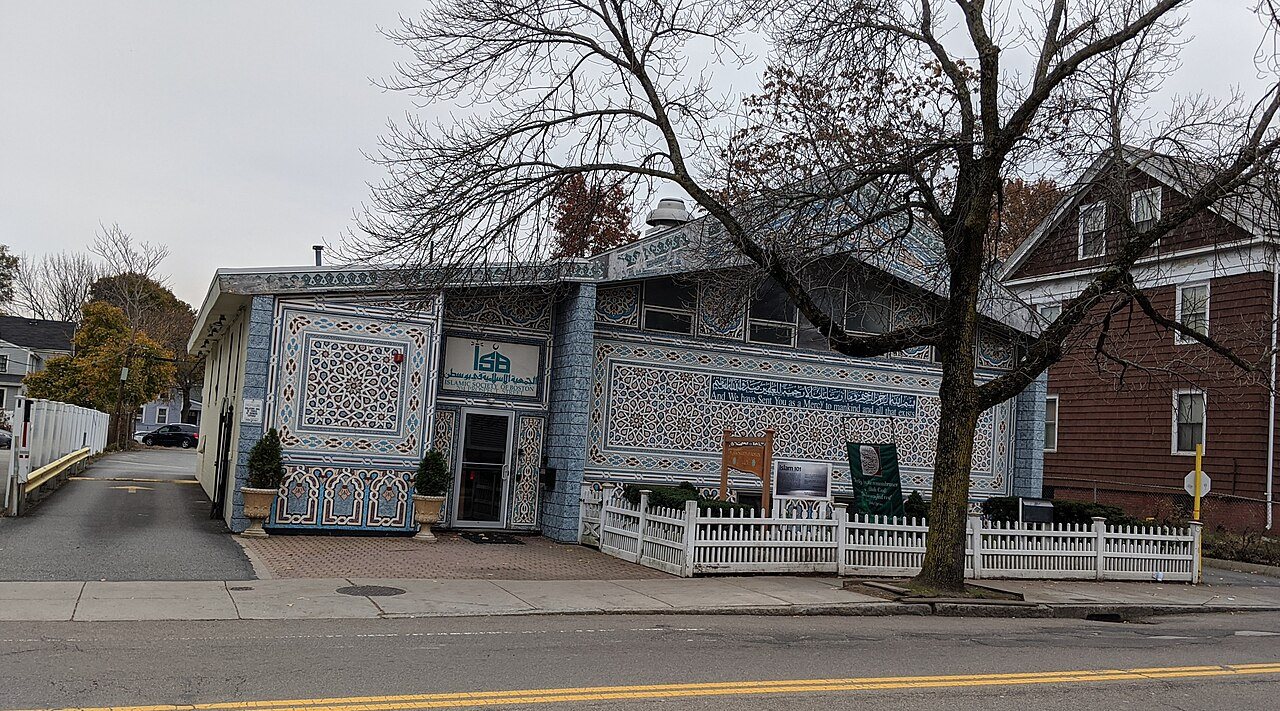
Explore the ISBCC’s architecture, Greater Boston’s community histories, and Islamic art at the MFA.
Use the Loop’s Downtown Islamic Center and a regional mosque directory to plan a realistic Chicago visit.