 Cities
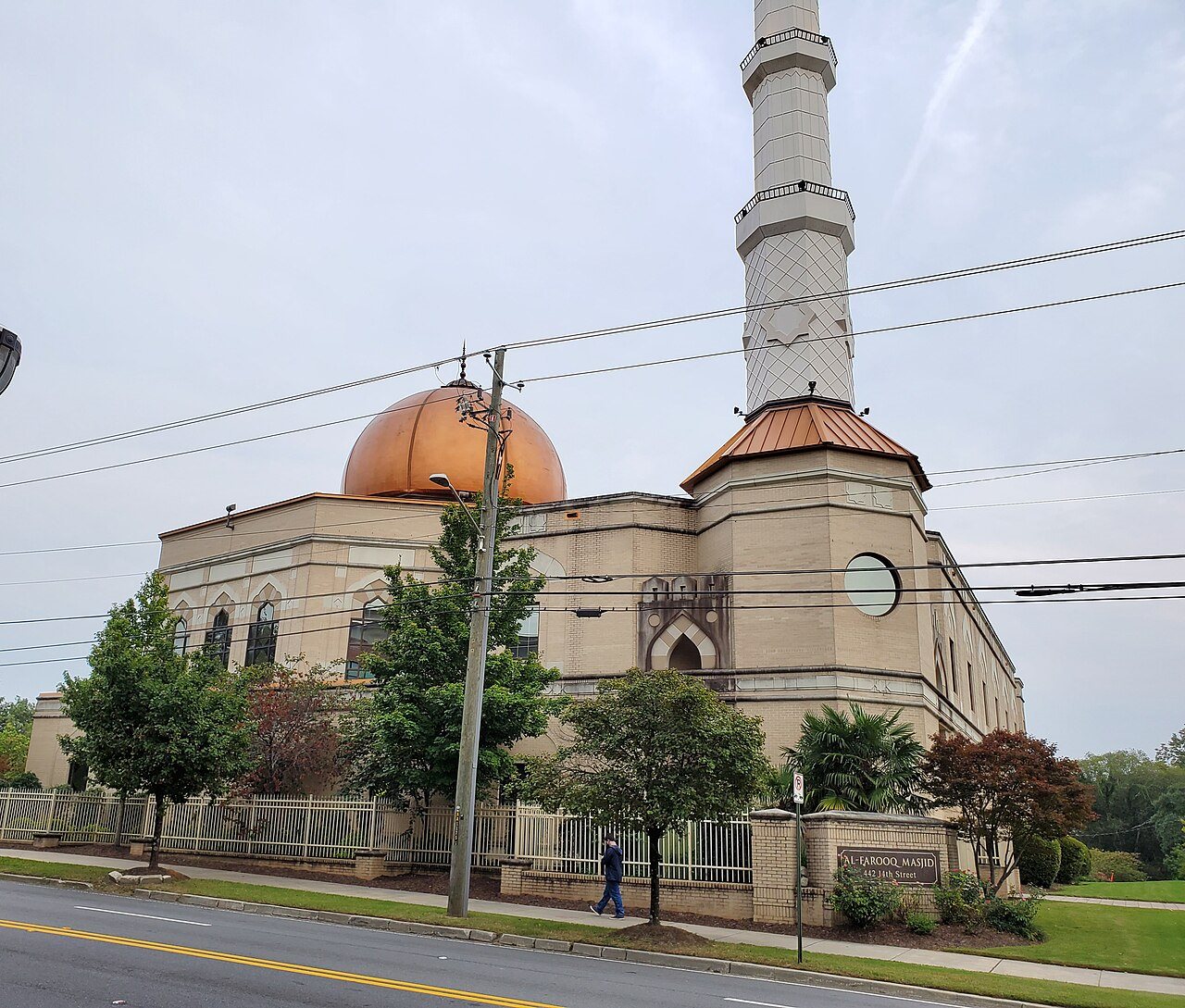
Visiting Atlanta’s Muslim community institutions
Arrange an Al-Farooq visit, explore East Atlanta’s community history, and build a practical local itinerary.
Trace the Islamic Center of Southern California’s history and explore Islamic art at LACMA.
A rented Hollywood building, a community newsletter, a youth group, and a museum collection offer four different ways to understand Muslim life in Los Angeles. Begin with the Islamic Center of Southern California’s own history, then use its archive and a visit to LACMA to connect local institution-building with a much wider artistic world. The relationship between those subjects makes this an especially useful city for readers interested in both history and contemporary community life.
The Islamic Center of Southern California traces its beginnings to 1952, when a small congregation met in rented premises on Fountain Avenue. Its chronology records later moves, including a purchased building on City Terrace Drive and a subsequent home on St. Andrews Place. These details reveal how an institution developed through ordinary decisions about rent, space, and growing families. ICSC history.
One especially revealing detail concerns the 1966 board’s practical tasks. The center’s account mentions a library, a duplicating machine, a newsletter, and an answering service. Those tools helped people find one another and maintain an organization before digital calendars and mailing lists. Read such administrative details closely; they show the work that sustained a community between major milestones.
The same chronology places a Muslim Youth Group in 1970 and describes social activities alongside its educational role. That gives visitors a useful question to bring to a hosted conversation: how have young people’s activities changed as successive generations grew up in Los Angeles?
ICSC maintains an online community archive linked from its official history. It brings historical records into a form that readers can investigate before or after a visit. Choose one subject, such as a building move or community event, and keep the item title and date with your notes. ICSC community archive.
A community archive is also a reminder that history survives through donated and retained material. A flyer can identify a gathering; a photograph can show how a room was used; meeting records can establish a decision. Treat each object according to what it actually demonstrates. A photograph’s caption, creator, and date may matter as much as the image itself.
If you intend to reproduce an archival image, investigate its rights separately. Access to a digital item makes it available for study, while publication may require permission. Ask the archive about the specific item and use you have in mind.
ICSC’s outreach information describes interfaith work and an Open Mosque Day in the fall among its activities. The current program calendar is the place to look for a confirmed date. A hosted event provides a useful setting for asking about the center’s public role and its relationships across Los Angeles. ICSC outreach.
The contact page supplies the current administrative route. Use that page when arranging an appointment; older web pages can contain obsolete contact information. Connect with ICSC.
LACMA’s Islamic art introduction describes a collection spanning areas from southern Spain to Central Asia and works from the seventh century into the present. It explains that the category includes objects made for religious use and secular objects created in societies shaped by Islamic rule or influence. That distinction helps visitors ask better questions about the materials, patronage, and use of an object. LACMA’s collection introduction.
Pick a small theme for the visit: the movement of a pattern between materials, the use of lettering, or the relationship between an object’s decoration and function. Read labels for place and date rather than assuming that similar-looking works came from the same setting. Use the museum’s current visitor information to establish which galleries and objects are accessible during your trip. Plan a LACMA visit.
Give the community appointment and museum enough time to stand on their own. The archive explains how people built an American institution; the collection offers objects through which to consider a broader artistic history. Keep a short list of what you actually saw and the questions it raised. That record makes the connection between local life and museum interpretation concrete.
CitiesArrange an Al-Farooq visit, explore East Atlanta’s community history, and build a practical local itinerary.
 Cities
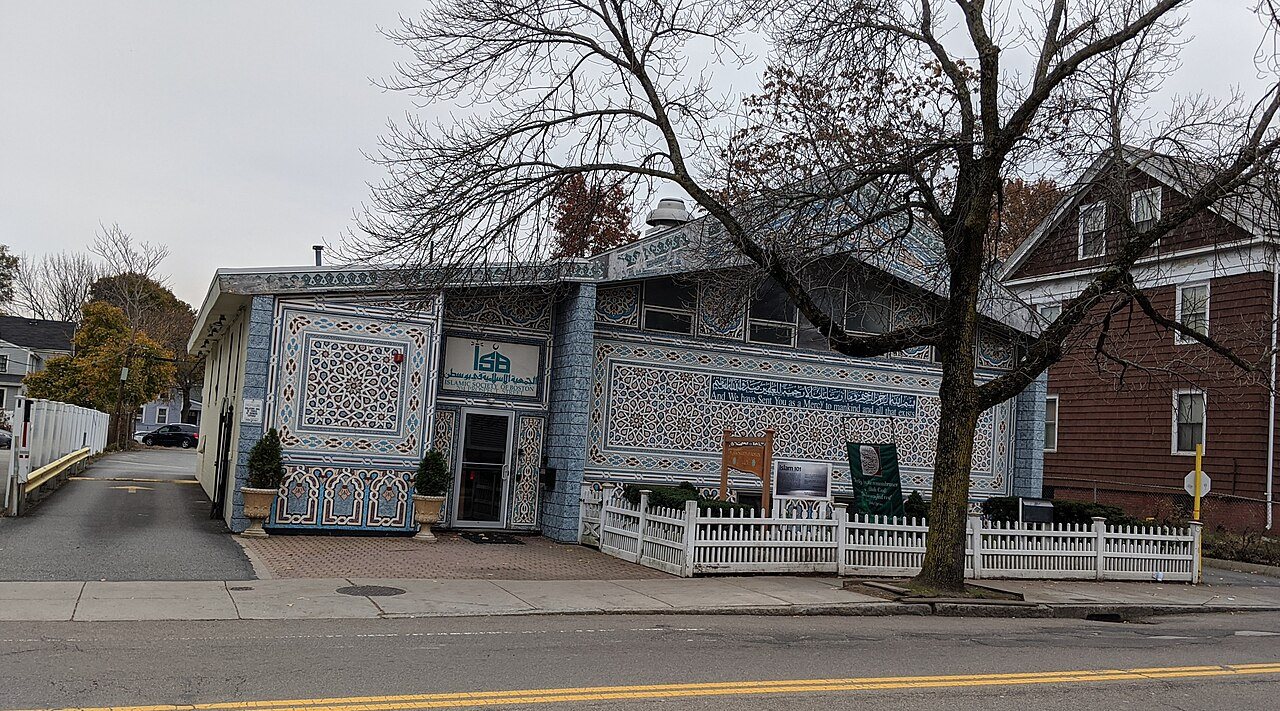
Explore the ISBCC’s architecture, Greater Boston’s community histories, and Islamic art at the MFA.
Use the Loop’s Downtown Islamic Center and a regional mosque directory to plan a realistic Chicago visit.