
 Cities
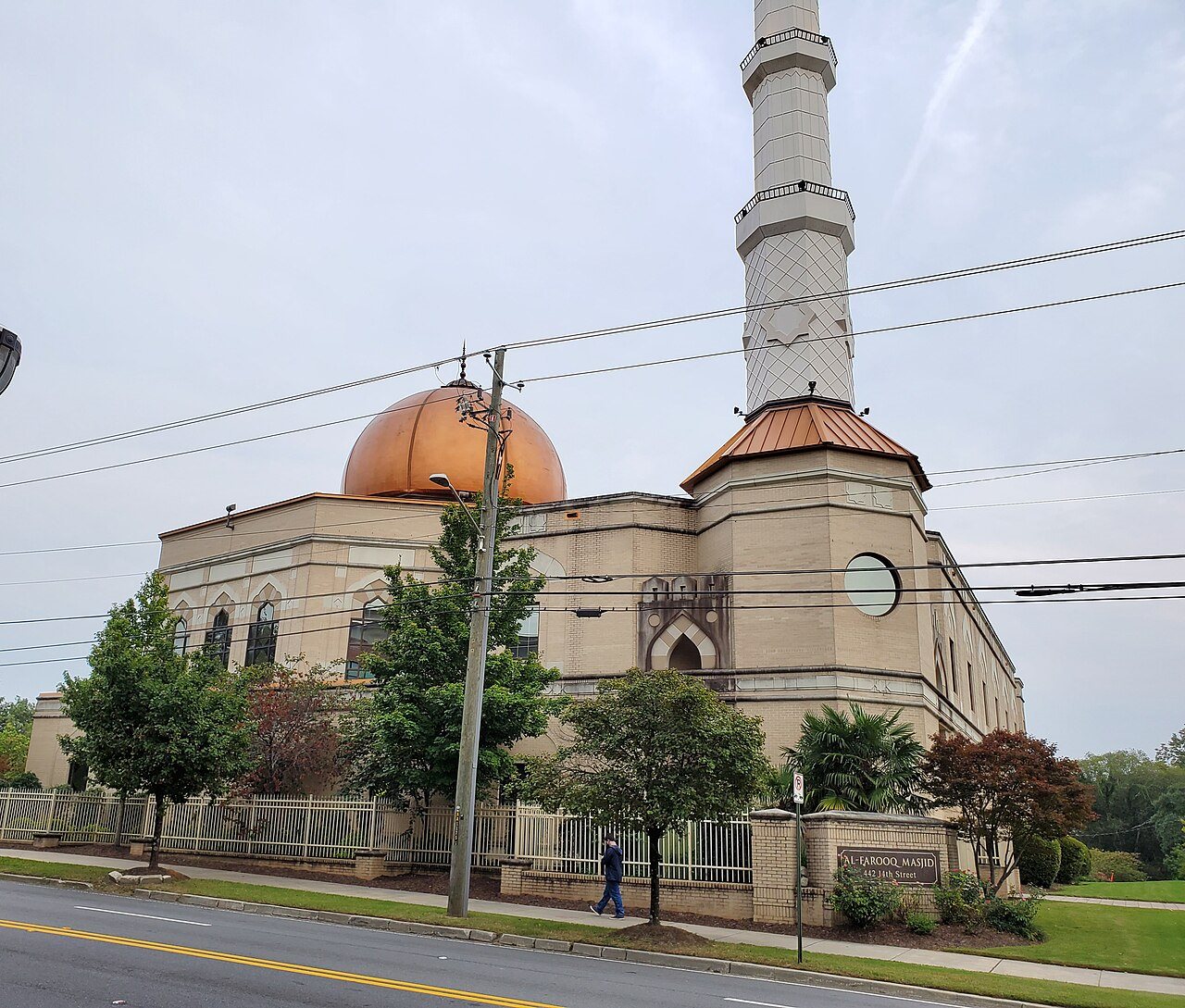
Visiting Atlanta’s Muslim community institutions
Arrange an Al-Farooq visit, explore East Atlanta’s community history, and build a practical local itinerary.
A specific Houston route linking the MFAH, Ismaili Center and three documented community centers.
Houston offers a particularly rewarding connection between everyday Muslim community life and the arts. A visitor can explore an Islamic art collection in the Museum District, tour a contemporary Ismaili cultural landmark on Allen Parkway, and meet a congregation whose institution grew from gatherings in private homes. Those experiences belong to different communities and settings; together they give the city guide a real route and a deeper history.
The most manageable first day stays within the central city. Northern Houston and Sugar Land offer additional community destinations, but they deserve separate plans rather than being squeezed into the same afternoon.
The Islamic Society of Greater Houston’s institutional history dates its establishment to 1969. In the preceding years, University of Houston students, young professionals and their families gathered in one another’s homes. Its account remembers an early Eid gathering in a founder’s house and the challenge of finding an affordable permanent center.
That history gives a useful perspective on today’s buildings. Community life came first; institutions and property followed. Houston’s Muslim story includes the ordinary work of fundraising, finding space and organizing services, as well as landmark architecture.
ISGH now publishes a regional center directory. Its pages give inconsistent overall totals, so this guide uses individual named locations instead of claiming an exact current number.
The official ISGH directory identifies these centers and public contact routes:
| Institution | Location | Public contact |
|---|---|---|
| Eastside Main Center, also called River Oaks Islamic Center | 3110 Eastside Street, Houston, TX 77098 | Houston Mosque; 713-524-6615 |
| Masjid Bilal, also called Adel Road Islamic Center | 11815 Adel Road, Houston, TX 77067 | Masjid Bilal; 281-537-1946 |
| Masjid Maryam, also called New Territory Islamic Center | 504 Sartartia Road, Sugar Land, TX 77479 | Masjid Maryam; 281-715-3500 |
Eastside is the central-city option in this group. Masjid Bilal belongs to a northern Houston itinerary; Maryam is a Sugar Land destination. The alternative names are useful because maps and community announcements may use either version.
Contact the particular center for a hosted visit rather than treating the regional organization’s office as the reception desk for every building. These are active congregations, with their own programs and local relationships.
The Museum of Fine Arts, Houston’s Galleries for Art of the Islamic Worlds are listed as an ongoing installation on Level 1 of the Law Building. The presentation brings the museum’s holdings together with Persian works from the Hossein Afshar Collection.
The galleries organize material through themes including Iranian art, sacred and secular book arts, and blue-and-white ceramics linking China and Iran. This is a useful place to slow down and compare materials: ink, glaze, metal and woven fiber carry different kinds of artistic knowledge.
The museum dates its Islamic-worlds initiative to 2007 and describes support from Houston patrons with cultural connections to the regions represented. Its gallery history therefore also documents local participation in building a public collection.
The online collection identifies notable acquisitions including an Iranian bronze incense burner shaped as a feline, a Moroccan illuminated Qur’an and an early sixteenth-century Iznik tondino. Look up objects before visiting, while remembering that collection ownership alone does not establish display on a particular day.
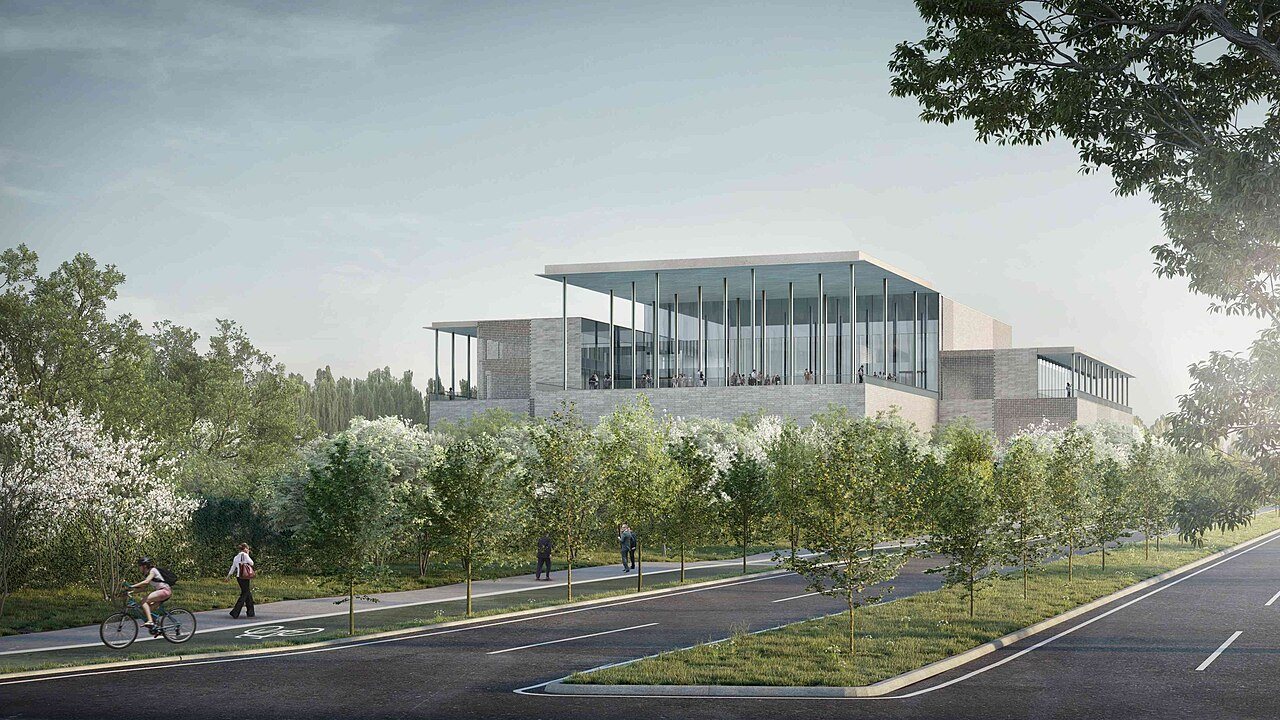
The Ismaili Center, Houston stands at 2323 Allen Parkway. Its official visitor pages offer a forty-five-minute guided tour, with booking through the center’s own system. This provides a concrete public visit rather than an exterior-only architecture stop.
The community’s opening announcement identifies architect Farshid Moussavi and landscape architects Nelson Byrd Woltz. The design includes gardens, terraces, courts and fountains, alongside an exhibition gallery, theater, classrooms and a Jamatkhana for Ismaili prayer.
Here, art and architecture are part of a living institution. A tour can connect the building’s spaces with its stated purposes of education, cultural exchange and gathering. Book through the official tour page, which describes the visit as free; availability depends on the booking calendar.
Begin with the MFAH galleries, allowing enough time to read labels rather than move straight to the most photogenic object. Follow with a prebooked Ismaili Center tour. If an Eastside conversation has been arranged, it can add a local congregational perspective to this central-city outing.
Keep Masjid Bilal or Maryam for a day centered on that part of the metropolitan area. The result is more than a mosque checklist: it links Houston’s early organizing, its present community geography, its museum collections and its contemporary architectural ambitions.
CitiesArrange an Al-Farooq visit, explore East Atlanta’s community history, and build a practical local itinerary.
 Cities
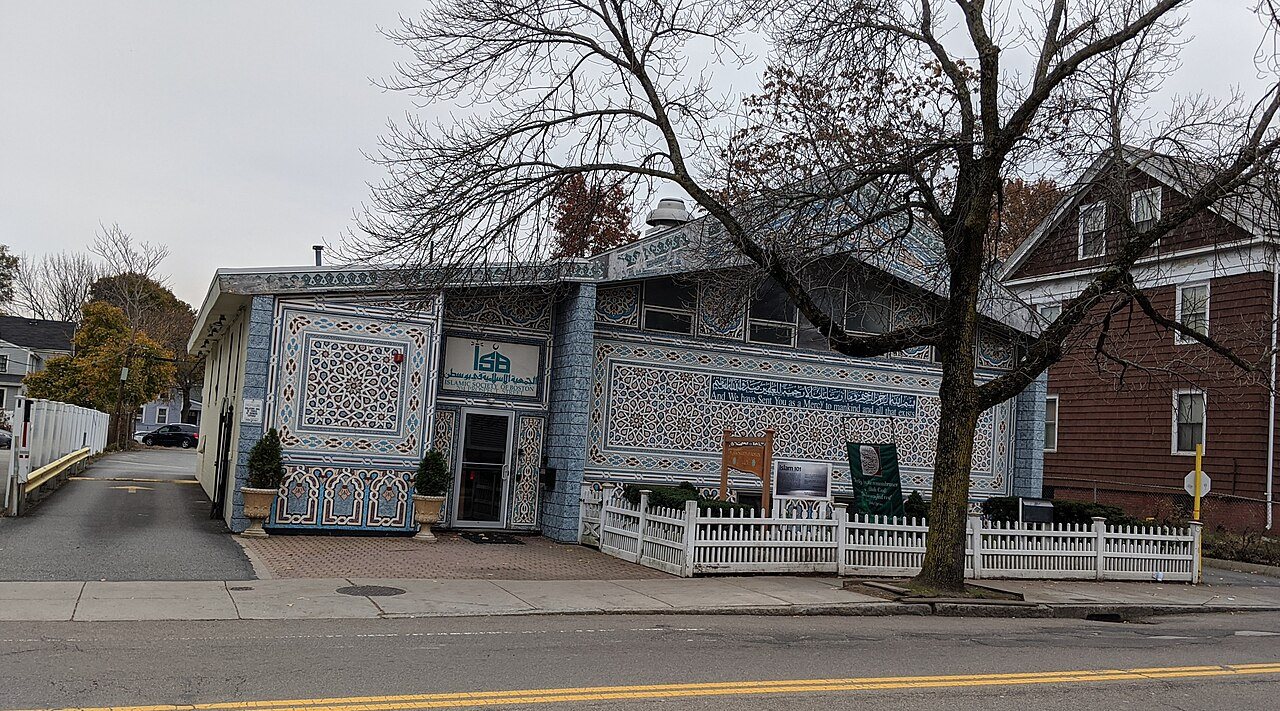
Explore the ISBCC’s architecture, Greater Boston’s community histories, and Islamic art at the MFA.
Use the Loop’s Downtown Islamic Center and a regional mosque directory to plan a realistic Chicago visit.